Abdominal hernias: overview of symptoms, risks and treatment
Your body is a finely tuned system, but sometimes problems can occur. An abdominal hernia is one such problem that can affect your health and requires timely treatment.
Hernias: a closer look
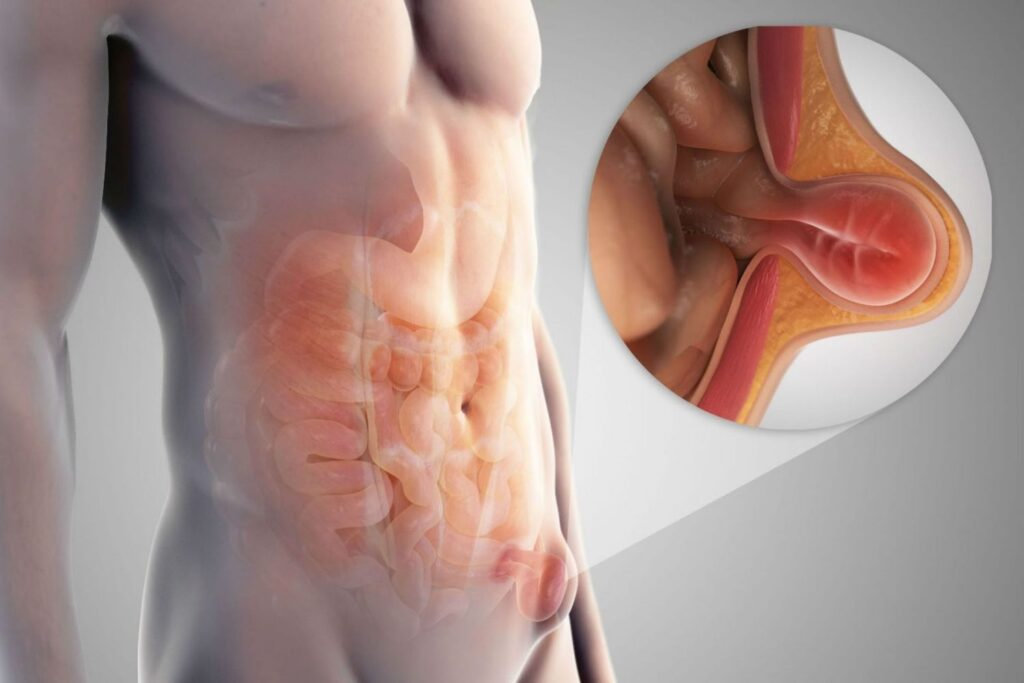
A hernia is a condition in which an internal organ or part of it protrudes through a weak area in the abdominal wall, creating a visible bulge. Although symptoms may vary, a common sign is the protrusion of internal organs or tissues.
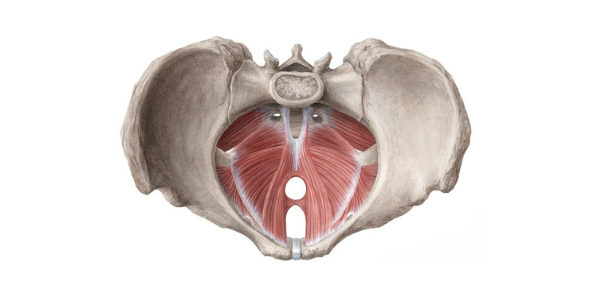
The main cause of this condition is an imbalance between intra-abdominal pressure and the ability of the abdominal wall to effectively withstand this pressure.
Let us review the factors that contribute to its development:
Anatomical characteristics and hereditary predisposition: individual body structure and constitution, including hereditary predisposition, may affect the risk of developing this condition.
Changes in the anterior abdominal wall: factors such as pregnancy, obesity, physical depletion, and significant physical exertion can weaken the anterior abdominal wall.
Other causes of this condition:
- Regular lifting of heavy objects.
- Severe coughing associated with chronic respiratory diseases.
- Long-term constipation.
- Urination problems.
- Previous abdominal surgery.
Together, these factors contribute to the gradual development of this condition.
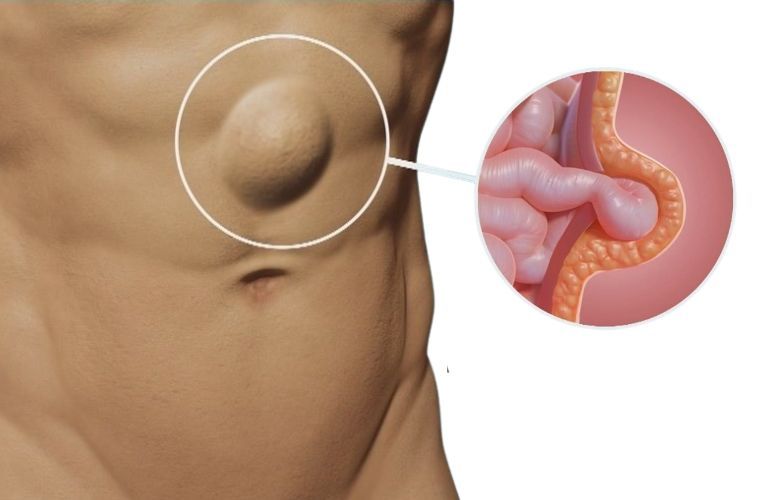
Hernia Symptoms
Visible bulge: The most obvious symptom is a visible bulge in a particular area of the abdomen.
Pain and discomfort: Pain may occur in the area of the hernia, especially during physical exertion or if the hernia becomes incarcerated.
Digestive difficulties: A hernia may cause problems with digestion and the passage of food through the digestive tract, resulting in abdominal bloating, nausea, chronic constipation, and other disorders.
Types of Hernias
Hernias are classified according to their location and cause. One of the most common types is an umbilical hernia, which appears as a characteristic bulge in the area of the umbilical ring. It may be caused by significant physical exertion, pregnancy, chronic coughing, or disorders of certain internal organs.
Other types of hernias include:
Epigastric hernia: Gaps form in the tendon fibers of the linea alba, allowing fat and abdominal organs to protrude through them.
Inguinal hernia: Widening of the inguinal canal that causes internal organs to protrude beyond the abdominal cavity. It is often seen in men and may take various forms: direct, indirect, or combined. It may be externally invisible (funicular) or become large and descend into the scrotum.
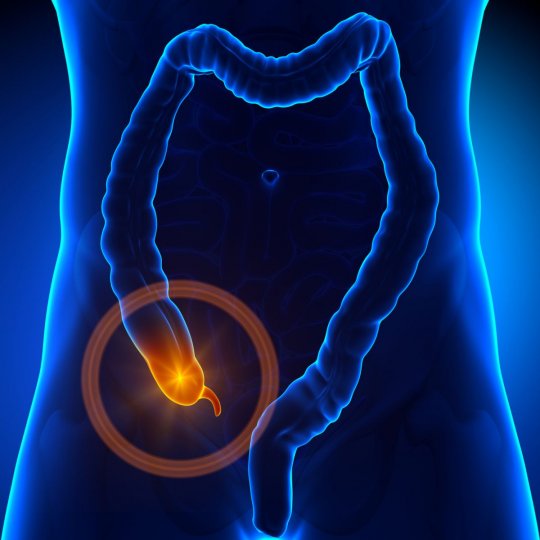
Sliding hernia of the anterior abdominal wall: The wall of the hernia sac may be formed partially or completely by a hollow organ (the cecum or urinary bladder). This results in specific clinical features and may create difficulties during surgery.
Incisional hernias: These occur as a complication at the site of a surgical scar because the connective tissue, depending on the type of collagen, is unable to form a strong scar after surgery.

Risks and Possible Complications.
An abdominal hernia can pose a serious health risk, and it is important to understand the possible consequences and dangers if this condition is left untreated.
Let us consider some key aspects:
The most common and most dangerous complication is hernia strangulation.
This condition occurs when part of an internal organ (for example, the intestine) becomes trapped in the hernia opening, which can lead to impaired blood supply and rapid tissue death in the affected organ.
Symptoms: Pain in the area of the hernia, firmness of the hernia, nausea, vomiting, and the inability to pass stool may indicate strangulation.
Treatment: A strangulated hernia is a medical emergency and requires urgent surgical treatment to restore the blood supply.
Hernia Treatment
The only effective treatment for a hernia is surgery, which may be performed using a conventional open approach or laparoscopically through small incisions with thin instruments and a camera.
In most cases, special surgical meshes are used during hernia repair to reconstruct the abdominal wall and promote the formation of strong scar tissue, helping to prevent the hernia from recurring.
Rehabilitation and Prevention
- Physical activity: Special exercises help strengthen the abdominal wall muscles.
- Weight management: Excess weight can increase the risk of a hernia, so maintaining a healthy lifestyle is important.
- Regular medical check-ups: Timely diagnosis and treatment can help prevent complications.
Modern laparoscopic techniques significantly reduce postoperative pain and allow patients to recover quickly and return to their usual routine.
Abdominal hernias are not uncommon, and timely diagnosis and treatment can prevent serious complications. Innovative treatment methods and careful rehabilitation allow patients to recover their health quickly and effectively. If you have concerns about a hernia, consult your doctor for a detailed discussion and to determine the best treatment options.
At our medical center, you can schedule a consultation with our surgeons, who have extensive practical experience in performing surgery for hernias of any complexity.