Inguinal hernias: what are the risks?

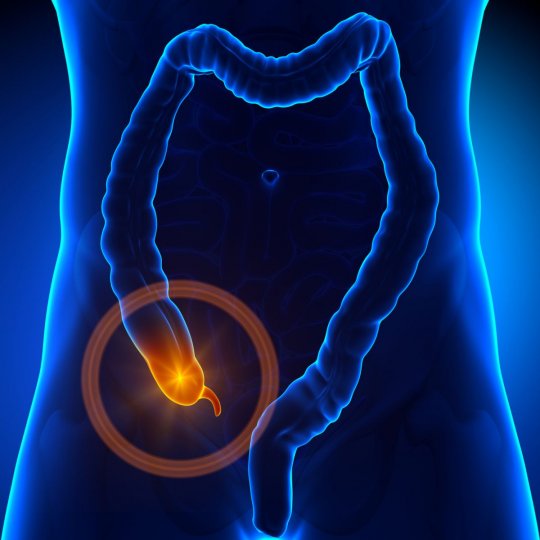
An inguinal hernia is a protrusion of the peritoneum into the inguinal canal. Inguinal hernias are the most common surgical condition. According to statistics, inguinal hernias account for 75-78% of
all abdominal hernias. Most inguinal hernias (85-90%) occur in men.
Classification. Inguinal hernias are divided into:
- congenital — form during embryonic development;
- acquired (direct and indirect) — develop under the influence of various factors throughout
life; - recurrent (postoperative) — develop at the site of a postoperative scar.
Based on their anatomical features, inguinal hernias are classified as direct, indirect (extending along
the spermatic cord), and sliding. Combined hernias may also occur.
Based on their anatomical features, inguinal hernias are classified as direct, indirect (extending along the spermatic cord), and sliding. Combined hernias may also occur.
Inguinal hernias may be unilateral or bilateral. Based on their clinical course, hernias are classified as reducible, irreducible, or strangulated.
Causes of inguinal hernias:
- failure of the processus vaginalis of the peritoneum to close and connective tissue
insufficiency; - weakness of the muscles of the inguinal ring and anterior abdominal wall;
- chronic obstructive pulmonary disease;
- conditions accompanied by constipation;
- prolonged physical work involving the lifting of heavy objects;
- prostatectomy;
- appendectomy;
- childhood or advanced age (most common, although hernias can occur in all age groups);
- pregnancy and multiple childbirths;
- obesity or rapid weight loss;
- genetic predisposition.
An inguinal hernia may be triggered by a severe, persistent cough, excessive physical exertion and/or lifting heavy objects, bulimia, groin injuries, and certain other
factors.
Main symptoms of an inguinal hernia:
- a bulge in the groin area that becomes larger when coughing or
straining, as well as when standing; - pulling pain that worsens with coughing, sneezing, sudden movements, prolonged walking,
straining, etc.; - pain and discomfort when walking, lifting heavy objects,
squatting, or performing other physical activities; - discomfort and pulling pain in the lower abdomen.
Large hernias may cause digestive problems, difficulty passing gas and stool, and discomfort when walking. If the urinary
bladder is involved in the pathological process, urinary problems may occur, and pressing on the hernia may trigger an uncontrollable urge to urinate. Blood may be present in the urine. If medical care is delayed for a long time, an inguinal hernia can have a significant negative impact on a man’s sex life. The anatomical location of the hernial bulge in close proximity to the vessels of the spermatic cord can adversely affect its function. Impaired blood circulation may alter thermoregulation of the scrotum, resulting in changes in the functional properties of the prostate, disruption of stable spermatogenesis, and impaired gonadal nutrition.
Large hernias may cause digestive problems, difficulty passing gas and stool, and discomfort when walking. If the urinary bladder is involved in the pathological process, urinary problems may occur, and pressing on the hernia may trigger an uncontrollable urge to urinate. Blood may be present in the urine.

If medical care is delayed for a long time, an inguinal hernia can significantly impair a man’s sex life. Due to the anatomical location of the hernial protrusion in close proximity to the vessels of the spermatic cord, the hernia may adversely affect its function. Impaired blood circulation may disrupt thermoregulation of the
scrotum, leading to changes in prostate function, impaired spermatogenesis, and inadequate blood supply to the gonads.
Complications of inguinal hernias
What makes inguinal hernias dangerous?
The most serious complication of an inguinal hernia is strangulation, which occurs when the hernia contents are compressed within the hernial opening. The contents are usually a segment of the greater omentum or a loop of intestine.
Signs of a strangulated inguinal hernia:
- severe pain in the area of the protrusion
- cramping abdominal pain
- nausea and vomiting
- difficulty passing stool
The pain may subside over time; however, caution is required because this may be associated with necrosis of parts of the intestine and nerve endings, as well as reduced peristalsis. The patient’s condition deteriorates rapidly: metabolic processes and circulation are disrupted, intoxication develops, vomit becomes “feculent,” and the tissues of the hernial sac become swollen. The development of peritonitis further complicates the condition and worsens the prognosis. Redness and swelling indicate the development of phlegmon of the hernial sac. A hernia must not be forcibly reduced, as this may damage the hernia contents, rupture the hernial sac, or push a necrotic section of the intestine back into the abdominal cavity.
Choosing a treatment approach
During the consultation, the physician will take a detailed medical history, perform a physical examination (visual examination and palpation), and, if necessary, order additional tests such as laboratory tests, ultrasound, or CT. Of all the modern surgical treatments for inguinal hernias, the most commonly used are open Lichtenstein repair and laparoscopic transabdominal preperitoneal hernia repair. Each method has its own advantages, so during the consultation, the surgeon will select the optimal treatment approach tailored specifically to you.
Therefore, if you have a protrusion in the groin area or experience discomfort while walking or during physical activity, do not delay—schedule a consultation with our specialists as soon as possible!