


Pelvic floor muscle weakness: causes, consequences and treatment
Weakening of the pelvic floor muscles is a common problem that can significantly affect patients’ quality of life. Reduced libido, involuntary urine leakage when coughing or laughing, pelvic organ prolapse, and other unpleasant symptoms. However, most patients do not know that the problem can be addressed using relatively simple methods. It affects patients of different ages and sexes. It is therefore important to give this issue proper attention.
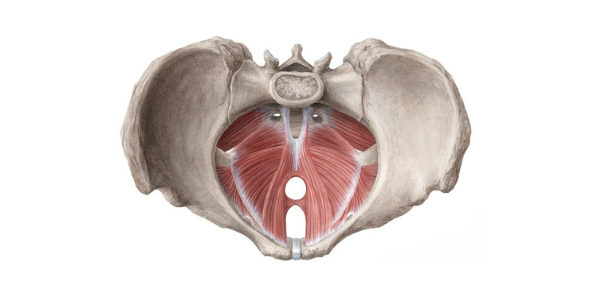
Anatomy of the pelvic floor muscles (PFMs)
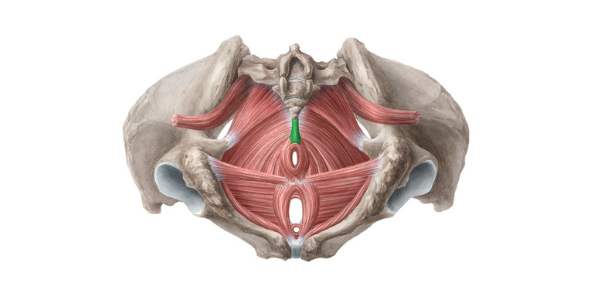
The pelvic floor consists of the muscles and fascia of the perineum, which support the bladder, the uterus in women, and the rectum. The perineal muscles form the external urethral sphincter, which regulates the flow of urine (contracting and relaxing it makes it possible to control the urinary stream), as well as the anal sphincter, which controls the opening of the anus.
The main functions of these muscles and their effects on the organs include:
- Support of the internal organs:
- The PFMs keep internal organs such as the bladder, uterus, large intestine, and small intestine in the correct position.
- Urinary control:
- Controlling the contraction and relaxation of the PFMs helps regulate urination and prevent urinary retention or incontinence.
- Sexual function:
- The PFMs interact with the genital organs and support their function, contributing to pleasure and control during sexual intercourse.
- Support during pregnancy and childbirth:
- The PFMs are important during pregnancy because they keep the uterus and other organs in the correct position. During childbirth, they participate in the process and support labor.
- Support of gastrointestinal function:
- These muscles control the passage of gas and stool, supporting the normal function of the large and small intestines.
Overall, the pelvic floor muscles play a key role in maintaining the function of the pelvic cavity and provide an optimal physiological environment for the internal organs and systems.
Causes of Pelvic Floor Muscle Weakness
Pelvic floor muscle weakness can have several causes and is a fairly common problem among women. Several factors may contribute to or affect the weakening of these muscles:
- Pregnancy and childbirth: During pregnancy and childbirth, the pelvic floor undergoes significant stretching, which may lead to muscle weakness.
- Age-related changes: Muscles naturally lose tone and elasticity with age, which can also affect the pelvic floor.
- Genetic predisposition: Some people may have an inherited predisposition to weak pelvic floor muscles.
- Injuries or surgical procedures: Muscle damage caused by injury or surgery may lead to weakness.
- Persistent excessive strain: Excessive strain on the pelvic floor, such as lifting heavy objects without proper technique or performing exercises incorrectly, may contribute to muscle weakness.
- Chronic cough: A long-lasting cough can place additional pressure on the pelvic floor, affecting the condition of its muscles.
- Obesity: Excess body weight can place excessive pressure on the pelvic floor, affecting its condition.
It is important to note that pelvic floor muscle weakness may result in urinary problems, sexual dysfunction, and reduced overall comfort. A consultation with an aesthetic gynecology specialist can help determine the causes and develop a personalized treatment plan.
Consequences and Potential Adverse Effects
Pelvic floor muscle dysfunction can lead to various consequences and affect different aspects of life.
Some possible consequences include:
- Urinary problems: Weakened muscles can affect bladder control, leading to unexpected urination, incomplete bladder emptying, and even complete urinary retention or incontinence.
- Sexual dysfunction: Weakening of the pelvic floor muscles can affect sexual satisfaction due to vaginal laxity and reduced sensitivity. This may cause discomfort and reduce the quality of intimate relationships.
- Pain and discomfort: Muscle dysfunction may be accompanied by pain in the pelvic area, lower back, or perineum, which can affect usual activities and comfort of movement.
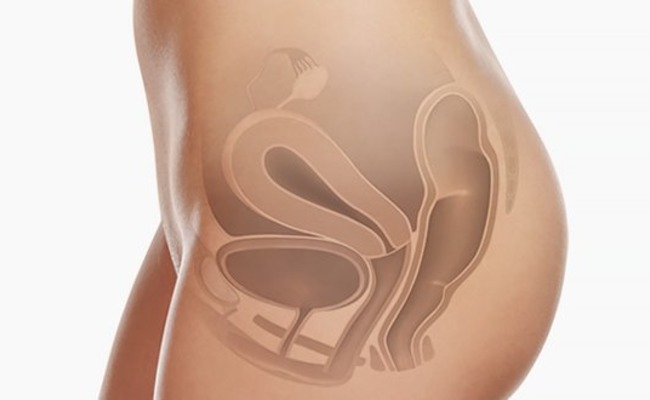
- Pelvic organ disorders: Muscle weakness can affect the position and function of pelvic organs such as the uterus, rectum, and bladder, potentially leading to prolapse and other problems.
- Psychological consequences: Pelvic floor muscle problems can lead to psychological issues such as stress, depression, or reduced quality of life, particularly when accompanied by unpleasant symptoms.
Treatment of pelvic floor muscle dysfunction may include physiotherapy, medication, surgery, and other approaches, depending on the severity and underlying cause of the problem. It is important to consult a doctor for an accurate diagnosis and an individualized treatment plan.
Treatment with BTL Emsella
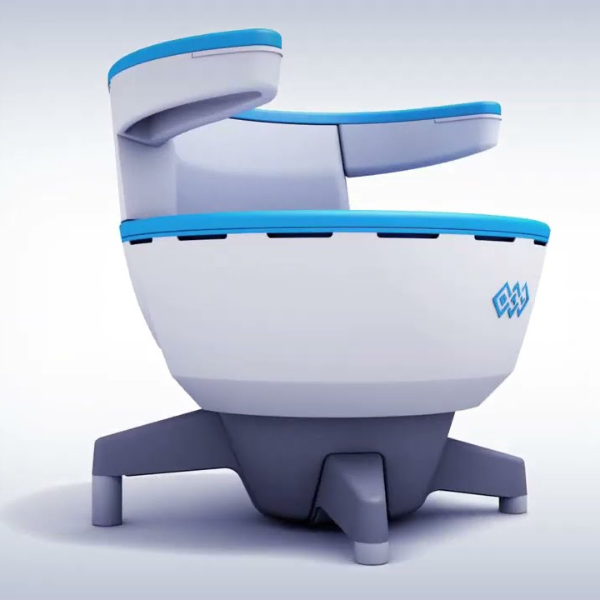
Treatment of pelvic floor muscle dysfunction with BTL Emsella is an innovative approach that uses electromagnetic technology to restore pelvic floor muscle tone and strength. This painless, non-invasive procedure is designed to improve the function of this important muscle group. The main aspects of treatment include:
- Electromagnetic stimulation: BTL Emsella uses electromagnetic fields to deliver intense, focused stimulation to the pelvic floor muscles. This activates the muscle fibers and increases their tone.
- Improved circulation: The procedure may also improve blood circulation in the pelvic floor area, promoting tissue recovery and improving its function.
- Improved voluntary control: BTL Emsella helps strengthen voluntary control of the pelvic floor muscles, which is particularly important for managing functions such as urination and sexual activity.
- Safety and convenience: The procedure is safe, does not require surgery, and causes no pain. During the session, the patient sits on a special chair.
- Course of therapy: A course consisting of a series of sessions is usually recommended to achieve optimal results. The physician will determine the optimal number of sessions based on the patient’s individual needs.
Treatment of pelvic floor muscle dysfunction with BTL Emsella can be an effective way to improve quality of life and restore physiological function. It is important to consult a physician to determine the treatment method best suited to the individual case.
Understanding the structure of the pelvic floor muscles, risk factors, and effective treatment methods is an important step in improving the condition of patients with pelvic floor muscle weakness. BTL Emsella offers an innovative and safe approach to restoring pelvic floor muscle function, providing patients with new opportunities to lead active, healthy lives.


