Transcranial Magnetic Stimulation (TMS): An Innovative Rehabilitation Method for Military Personnel with Severe Injuries and Amputations
Transcranial Magnetic Stimulation (TMS): An Innovative Rehabilitation Method for Military Personnel with Severe Injuries and Amputations
Military personnel who have sustained trauma, including severe injuries and amputations, face numerous challenges during rehabilitation and recovery. One modern and effective method known for its high efficacy is transcranial magnetic stimulation (TMS).
What is transcranial magnetic stimulation (TMS)?
How TMS works
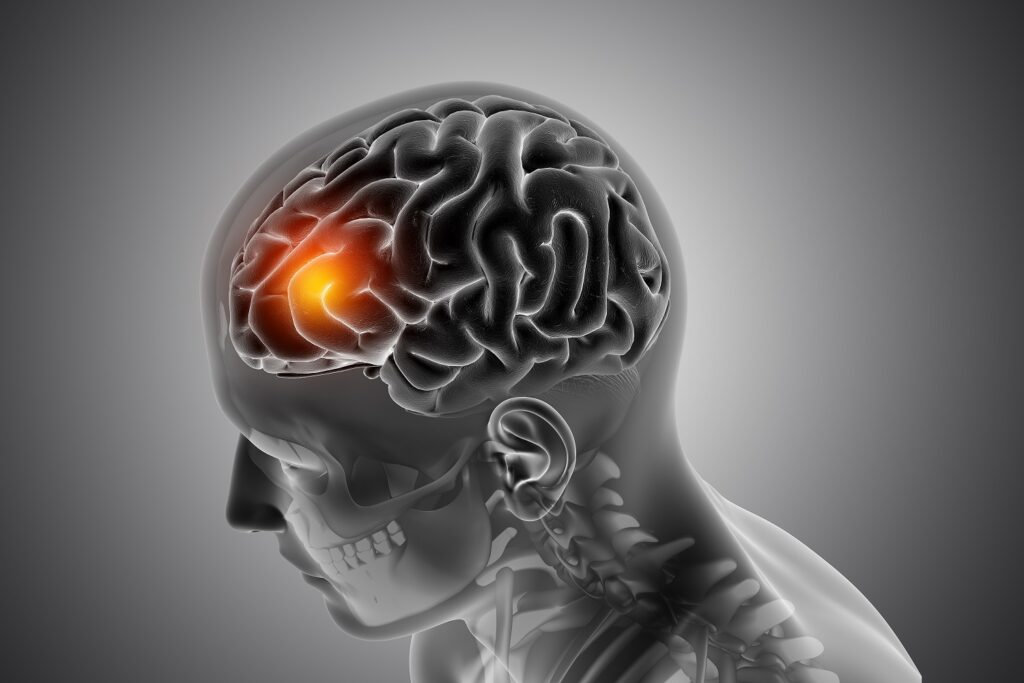
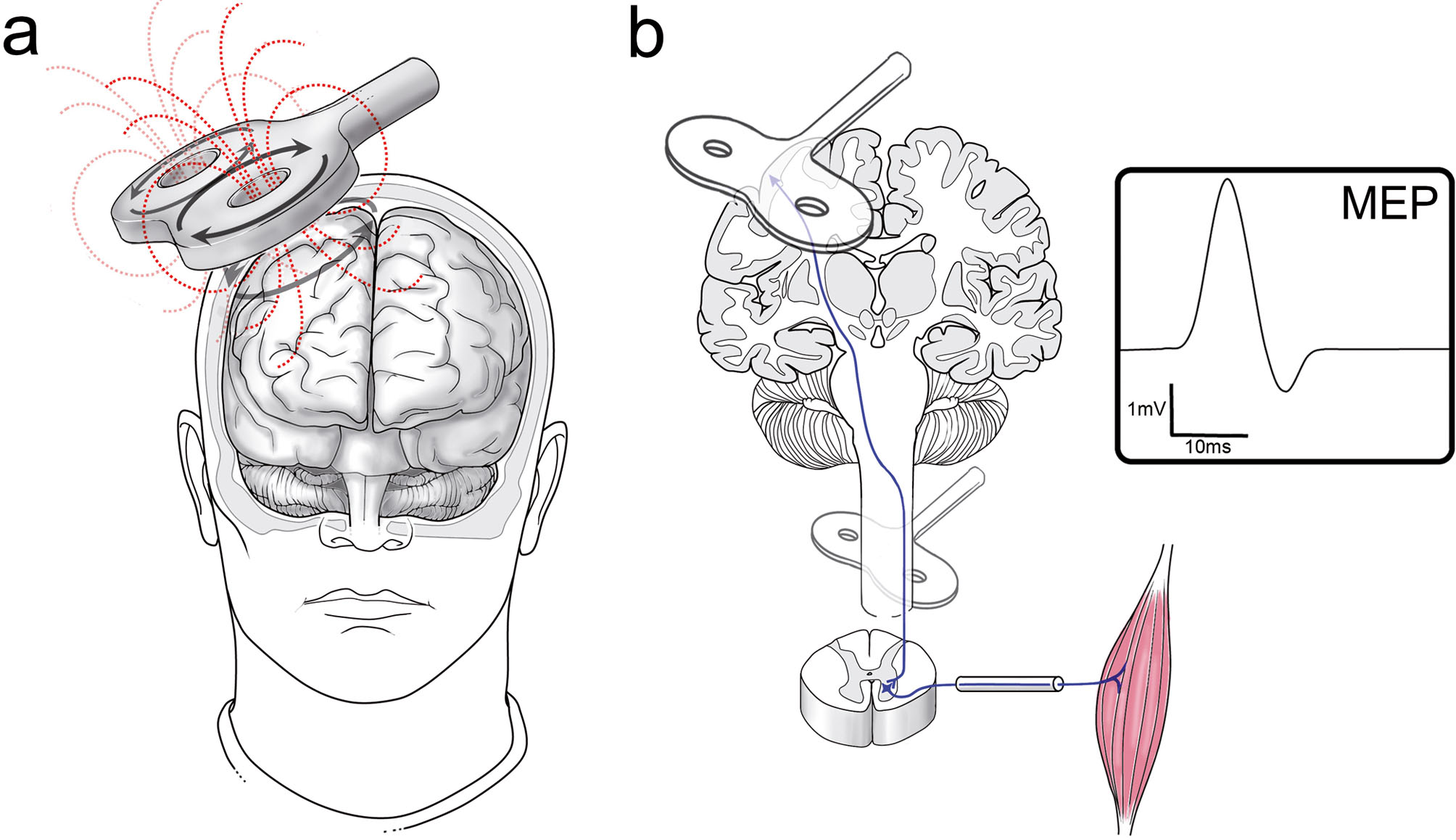
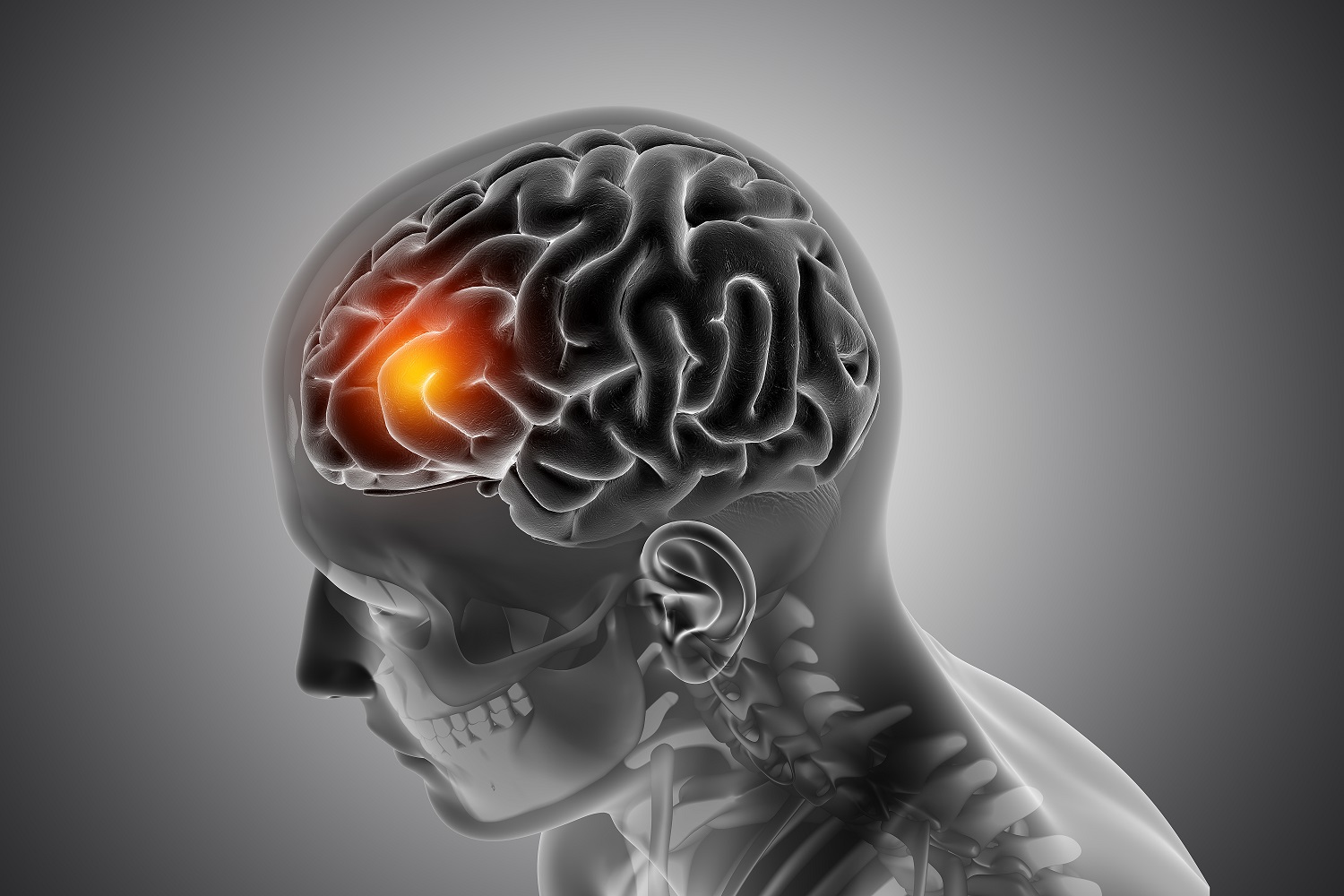
TMS is based on the use of short, intense magnetic pulses that create a magnetic field at varying frequencies. These pulses are directed at specific areas of the brain, where they generate an electrical current. This current, in turn, activates neurons, altering their electrical activity.
During a TMS session, the patient remains awake and alert, while specialists identify the precise areas to be targeted. The focused magnetic pulses pass through the skin and skull bones and alter neuronal activity, producing the required physiological effects.
Positive Effects on the Patient
- Improved neuroplasticity: TMS helps increase neuroplasticity, which is the brain’s ability to reorganize and adapt. This is particularly important for military personnel experiencing severe consequences of traumatic events, as this process activates alternative neural pathways and improves functional recovery.
- Neurotransmitter modulation: TMS can affect the levels of neurotransmitters such as serotonin and dopamine. This helps stabilize mood, improve cognitive function, and promote an overall improvement in the patient’s psychological well-being. The method is effective in treating depressive conditions, sleep disorders, anxiety disorders, PTSD, and other disorders.
- Reduction of neuropathic pain: An important aspect of TMS is its effectiveness in reducing neuropathic pain, which often occurs following amputations. Patients report reduced phantom pain and improved quality of life.
- Improved cognitive function: TMS has a positive effect on cognitive functions such as concentration and memory, which is particularly important for military personnel who need to regain their ability to work.
Transcranial magnetic stimulation is distinguished by its safety and effectiveness in restoring brain function in military personnel with severe injuries and amputations. Its innovative approach to treatment is an important step toward improving rehabilitation and supporting military personnel on their path to full recovery.
Effectiveness of TMS
One of the main advantages of TMS is its ability to affect various aspects of brain activity, helping to restore functions that may have been impaired by injuries. TMS has also been shown to help reduce phantom limb pain and improve overall mental well-being in military personnel who have undergone amputations.
Brain stimulation using magnetic pulses promotes the reorganization of neural connections by activating alternative pathways and increasing brain plasticity. This may improve motor function, restore sensation, and reduce neurological symptoms.
Treatment Process and an Individualized Approach
TMS treatment usually requires a series of sessions during which specialized magnetic coils are securely positioned over specific areas of the brain. Precisely calibrated magnetic pulses administered under specialist supervision help ensure maximum treatment effectiveness.
An individualized approach is important because it takes into account the unique nature of each patient’s condition and needs. Due to its excellent therapeutic effectiveness and minimal number of side effects, TMS is becoming an important part of the rehabilitation and recovery of military personnel.
Treatment is monitored and supported by psychiatrists with extensive practical experience in treating patients with these conditions. We are actively working in this field and have already helped dozens of military personnel improve their condition and make rehabilitation after injury easier. If you or your loved ones need our help, please schedule a consultation with a doctor for detailed information about treatment using transcranial magnetic stimulation.