




Cataract treatment in Ivano-Frankivsk
Restore sharp, clear vision without cataracts!
What is cataract?
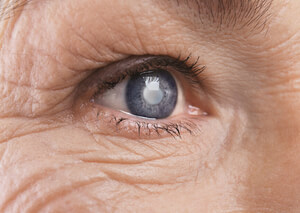
A cataract is a clouding of the eye’s natural lens that causes vision to gradually become blurred, dim, or “cloudy.” A person may have poorer distance vision and experience difficulty reading, driving, or working in bright light. Without treatment, a cataract can gradually lead to significant vision loss.
Cataract treatment in Lviv is performed surgically: the cloudy lens is removed and replaced with an artificial lens, also known as an intraocular lens (IOL). At Lviv Medical Center, cataract surgery is performed after a comprehensive eye examination and individual IOL selection based on the condition of the eyes, the patient’s lifestyle, and visual needs.
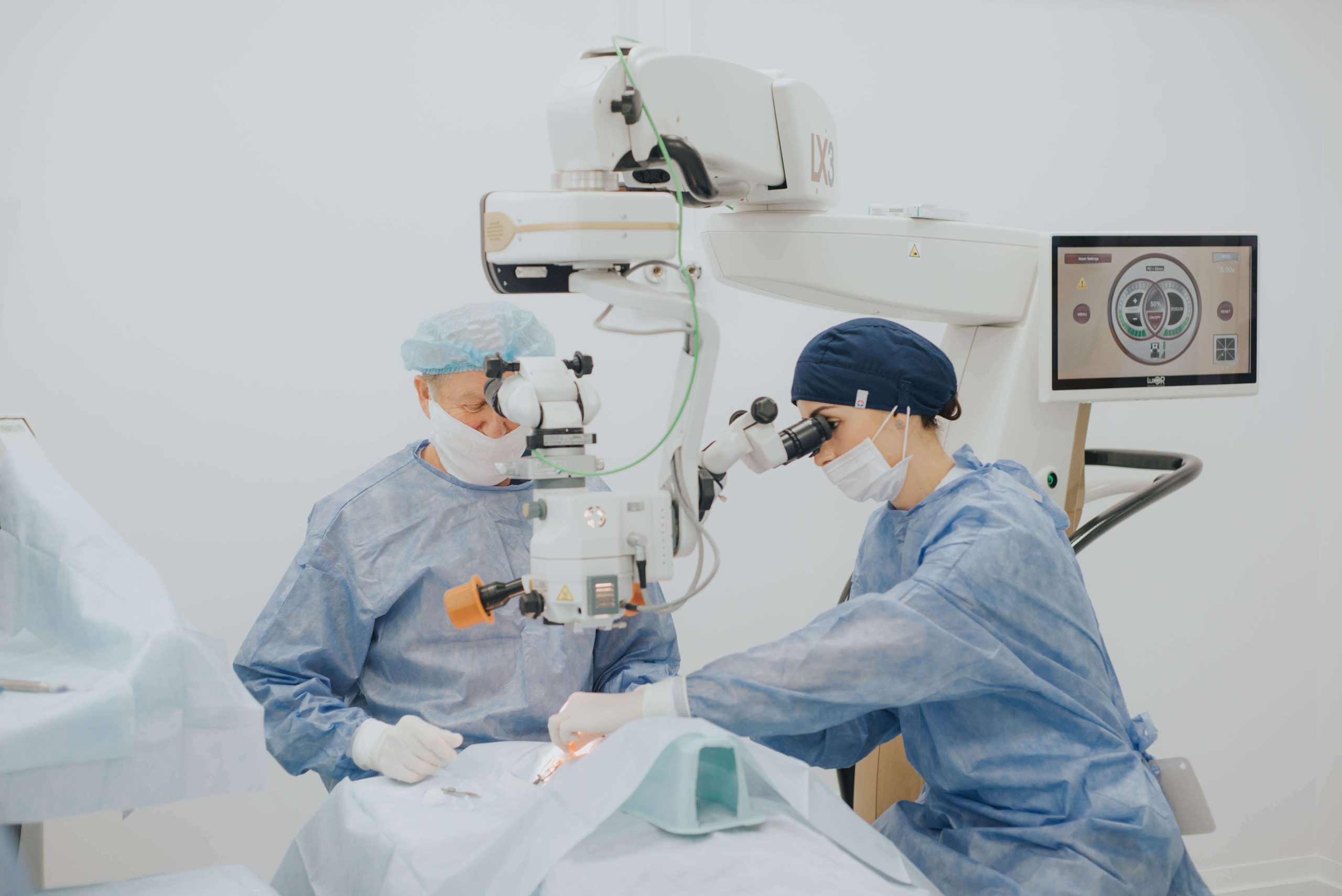
The experience and proprietary techniques of Professor Ihor Yaroslavovych Novytskyi.
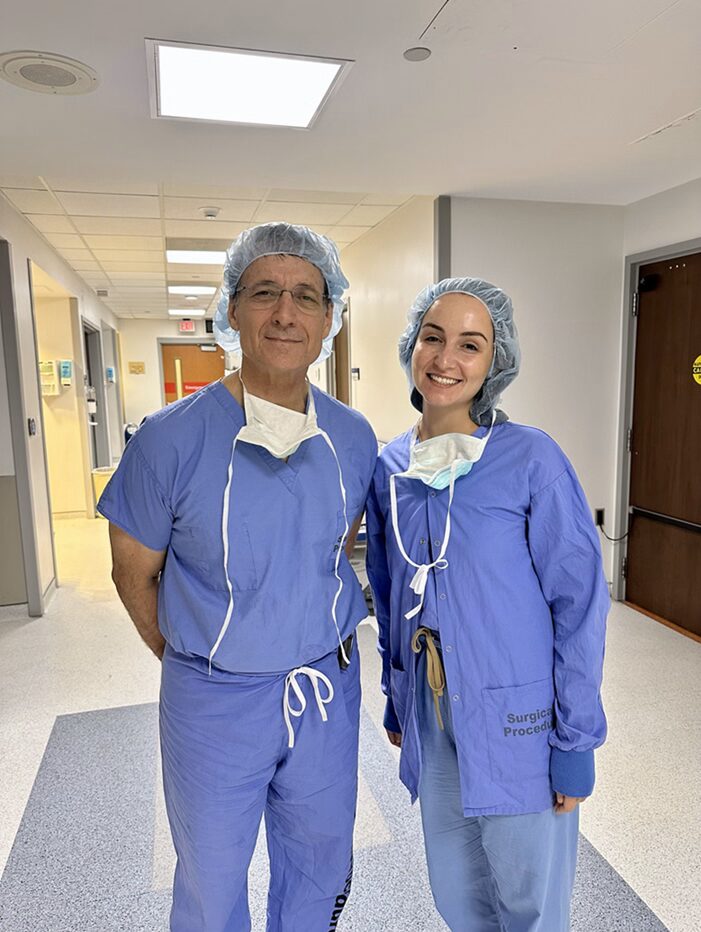
At Lviv Medical Center, cataract treatment is performed with the participation of Professor Ihor Novytskyi, an experienced ophthalmic surgeon in Ukraine.
His many years of surgical practice and proprietary techniques enable the use of modern approaches to cataract surgery and vision restoration.
An individualized approach to each case helps determine the optimal treatment strategy, minimize surgical trauma, and ensure a comfortable recovery after surgery.
Have you noticed that your vision has become blurry, you see glare, or your glasses no longer help?
Schedule a consultation with an ophthalmologist at Lviv Medical Center. The doctor will perform an examination and explain whether cataract treatment is necessary in your particular case.
Cataract symptoms
Cataracts usually develop gradually, so a person may not notice any changes in the early stages. This is why it is important to pay attention to even minor deterioration in vision and undergo diagnostic examinations promptly.
You should consult an ophthalmologist if you notice:
These symptoms may be associated not only with cataracts but also with other eye conditions. A comprehensive eye examination can help determine the exact cause.
Causes of cataracts

Aging
The most common cause of cataracts. With age, the natural lens gradually loses its transparency, which may lead to impaired vision.

Eye injuries
Mechanical eye injuries can damage the structure of the lens and contribute to the development of traumatic cataracts.

Genetic Predisposition
Some people may have a higher risk of developing cataracts due to hereditary factors.
Diseases
Diabetes, metabolic disorders, and certain other conditions may increase the risk of clouding of the eye's natural lens.

Harmful habits
Smoking and excessive alcohol consumption may negatively affect the eye's natural lens and accelerate the development of cataracts.

Effects of ultraviolet radiation
Prolonged exposure to sunlight without adequate eye protection may be a risk factor for developing cataracts.
Preoperative assessment for cataract surgery
Visual acuity test
Contrast sensitivity testing
Refractometry
Pachymetry
Biomicroscopy
Intraocular pressure measurement
Fundus examination
Retinal OCT
Biometry
Ultrasound biometry (A-scan ultrasound)
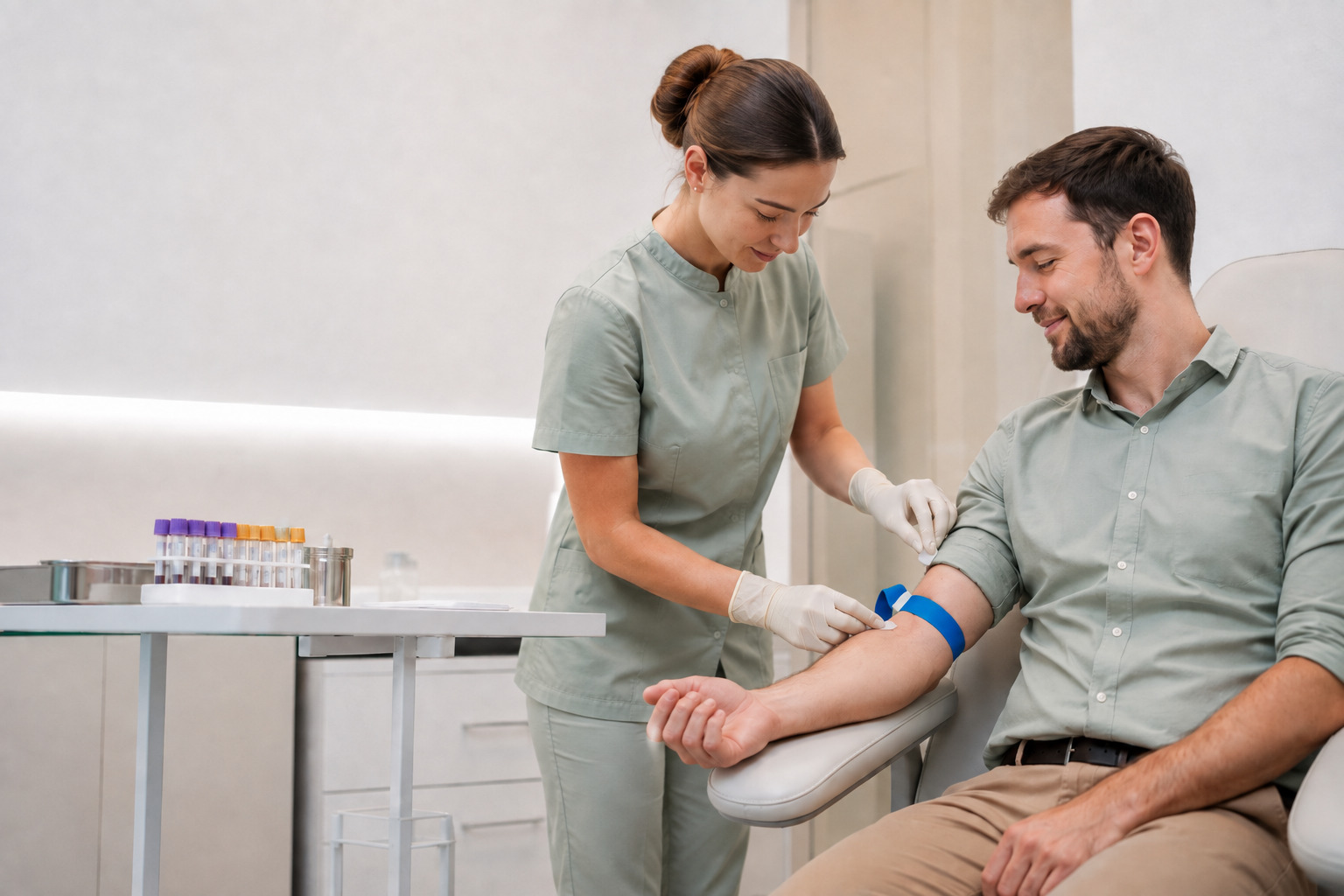
All necessary preoperative tests can be performed at Lviv Medical Center
Preoperative tests:
- Complete blood count + ESR
- urinalysis
- glucose
- rapid test for the detection of hepatitis B surface antigen
- rapid test for the detection of hepatitis C surface antigen
- rapid test for the detection of antibodies to syphilis
Preoperative examinations:
- ECG
- consultation with an internist (or a cardiologist, if necessary)
Book a consultation at Lviv Medical Center
we will perform diagnostic testing, select the optimal IOL, and explain every stage of treatment in simple terms.
Why choose Lviv Medical Center for cataract treatment?
At Lviv Medical Center, cataract treatment combines modern surgical techniques, precise diagnostics, and individual IOL selection. The main focus is on surgical safety, quality of vision, and a comfortable recovery for the patient.

Painless and Safe
Cataract surgery is usually performed under local topical anesthesia using eye drops, which helps minimize pain and discomfort.

Advanced treatment methods
Modern microsurgical techniques and ophthalmic equipment are used to remove the cataract and implant an artificial lens.

Impeccable Reputation
The clinic regularly performs cataract removal procedures and implants various types of intraocular lenses.

Professionals with Over 20 Years of Experience
Treatment is provided by doctors with many years of experience in ophthalmic surgery who regularly manage complex clinical cases and use modern vision correction methods.
Cataract diagnosis
A comprehensive eye examination helps confirm the presence of cataracts, assess eye health, and determine the optimal treatment approach.
Ophthalmoscopy
A fundus examination makes it possible to assess the condition of the retina and optic nerve. This is important for predicting the quality of vision after surgery and identifying coexisting conditions.
Tonometry
Measuring intraocular pressure helps detect or rule out glaucoma and other conditions that may affect the cataract treatment plan.
Slit-Lamp Examination (Biomicroscopy)
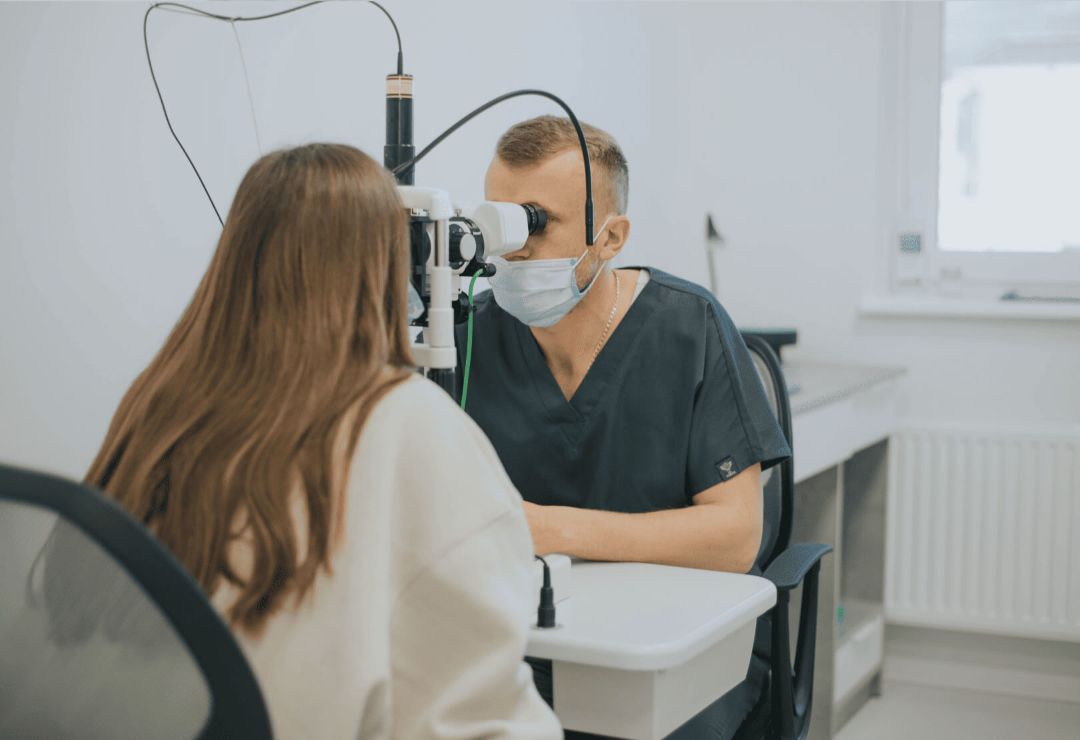
Using a slit lamp, the doctor examines the anterior segment of the eye and the lens in detail. The examination makes it possible to detect clouding and assess the severity of the cataract.
Refractometry
This test determines the eye's refractive error and detects myopia, hyperopia, or astigmatism, which are taken into account when planning treatment.
Visual Acuity Assessment
The test shows how clearly the patient can see at different distances and how the cataract affects the quality of vision.
Pachymetry
Measurement of corneal thickness. It does not diagnose cataracts directly, but it helps provide a comprehensive assessment of the eye before surgery.
Optical Coherence Tomography (OCT)
OCT provides a detailed assessment of the retina and macula and can detect changes that may affect the outcome of surgery and the quality of vision after cataract treatment.
Ultrasound biometry (A-scan ultrasound)
This examination is used to measure the length of the eyeball and other parameters required to accurately calculate the intraocular lens (IOL) power.
Contrast sensitivity testing
This helps assess the eye’s ability to distinguish objects under different lighting and contrast conditions. With cataracts, this ability often deteriorates, especially in low-light conditions.
A Modern Approach to Vision Restoration
Cataracts are among the most common eye conditions in older adults and gradually lead to impaired vision. An effective treatment for cataracts is the surgical removal of the clouded lens followed by IOL implantation.
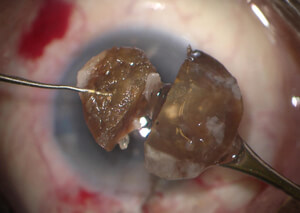
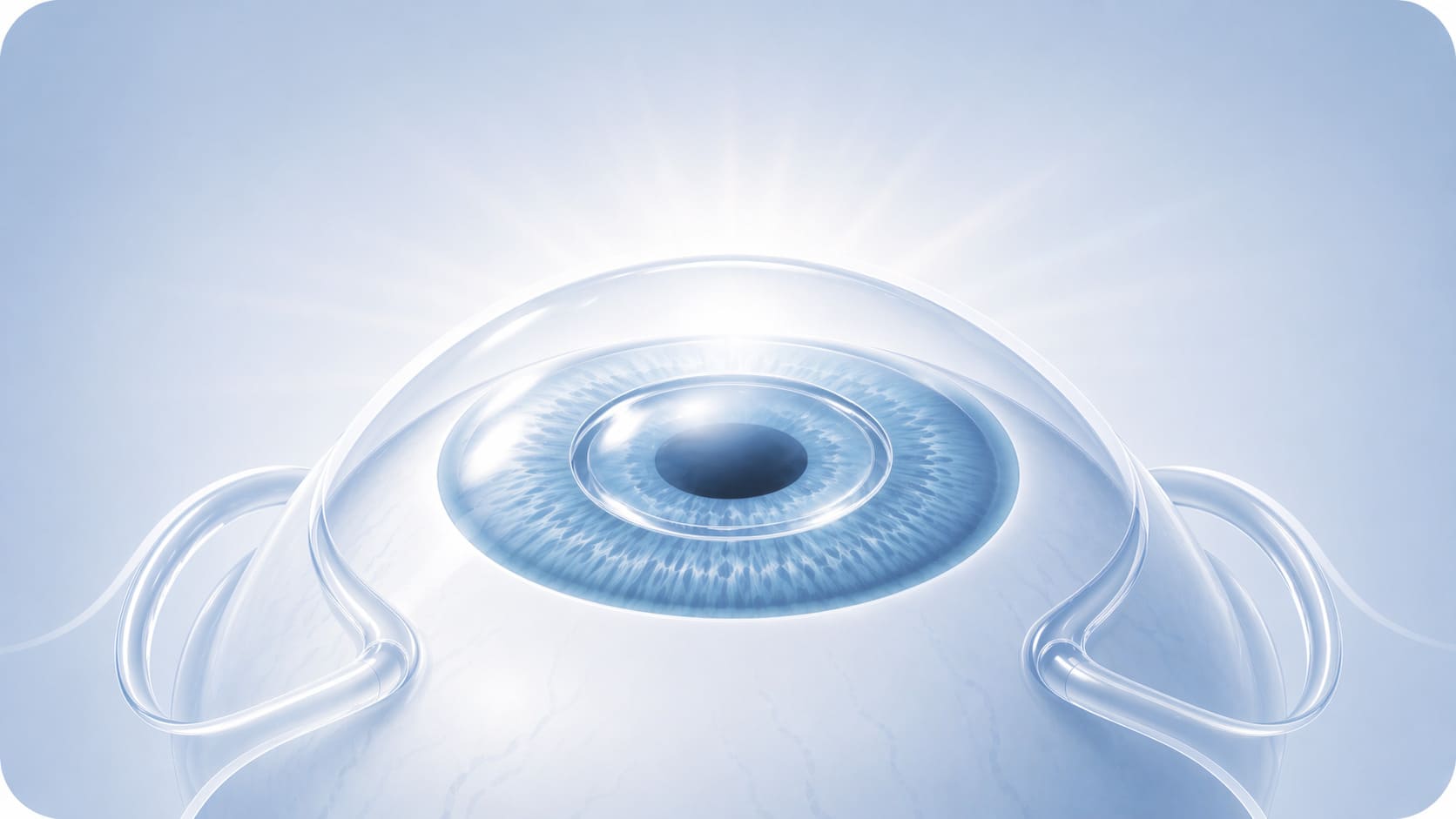
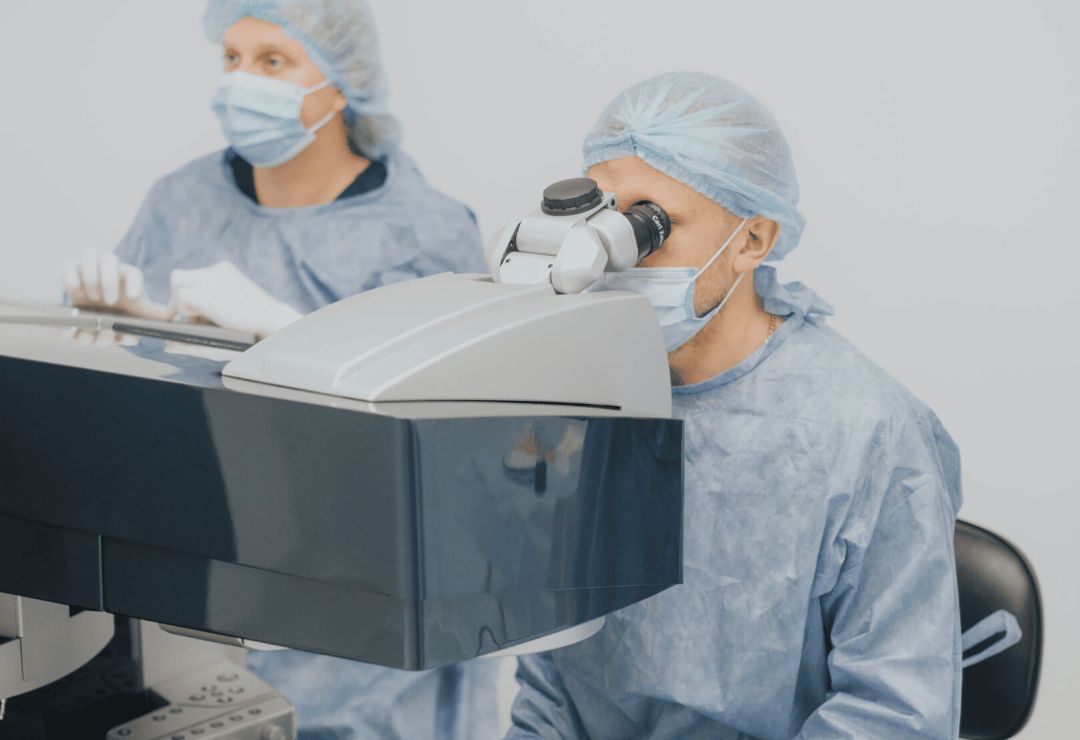
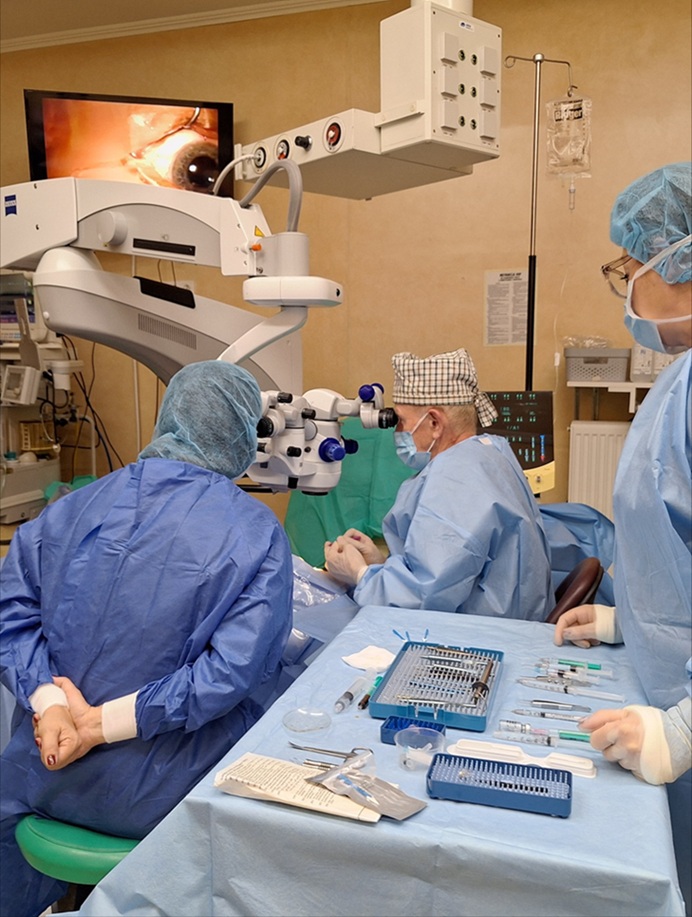
At Lviv Medical Center, cataract phacoemulsification is performed. During surgery, the clouded lens is broken up using ultrasound and removed from the eye through a small incision.
An artificial lens, or intraocular lens, is then implanted in its place. It unfolds inside the eye and helps restore focusing ability and clear vision.
Cataract treatment at Ivano-Frankivsk Medical Center
Comprehensive diagnostic examination for cataracts
Extracapsular cataract extraction (ECCE)
Artificial Lens (IOL) Implantation
Intracapsular cataract extraction (ICCE)
Phacoemulsification
Cataract phacoemulsification without IOL
How is cataract removal surgery performed?
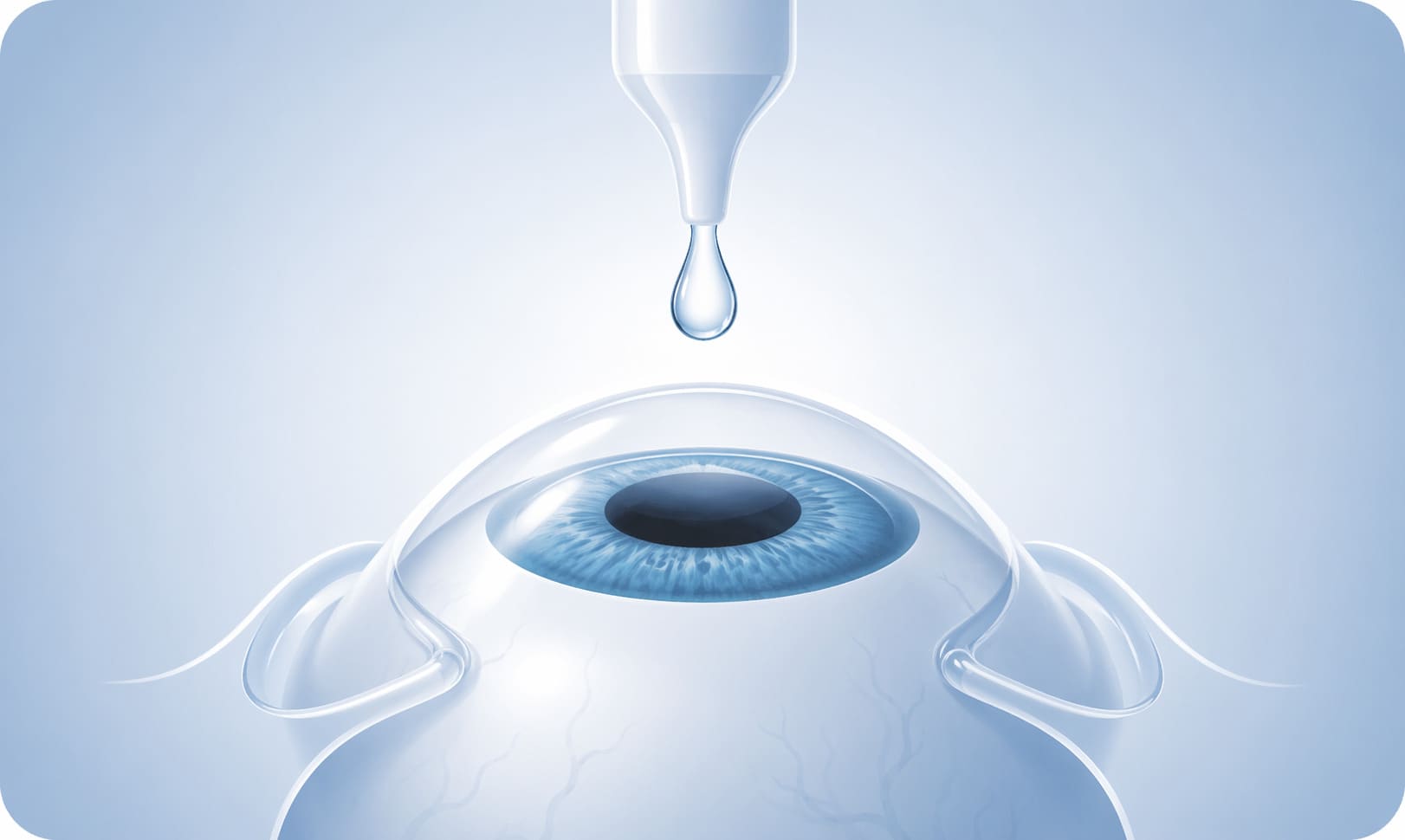
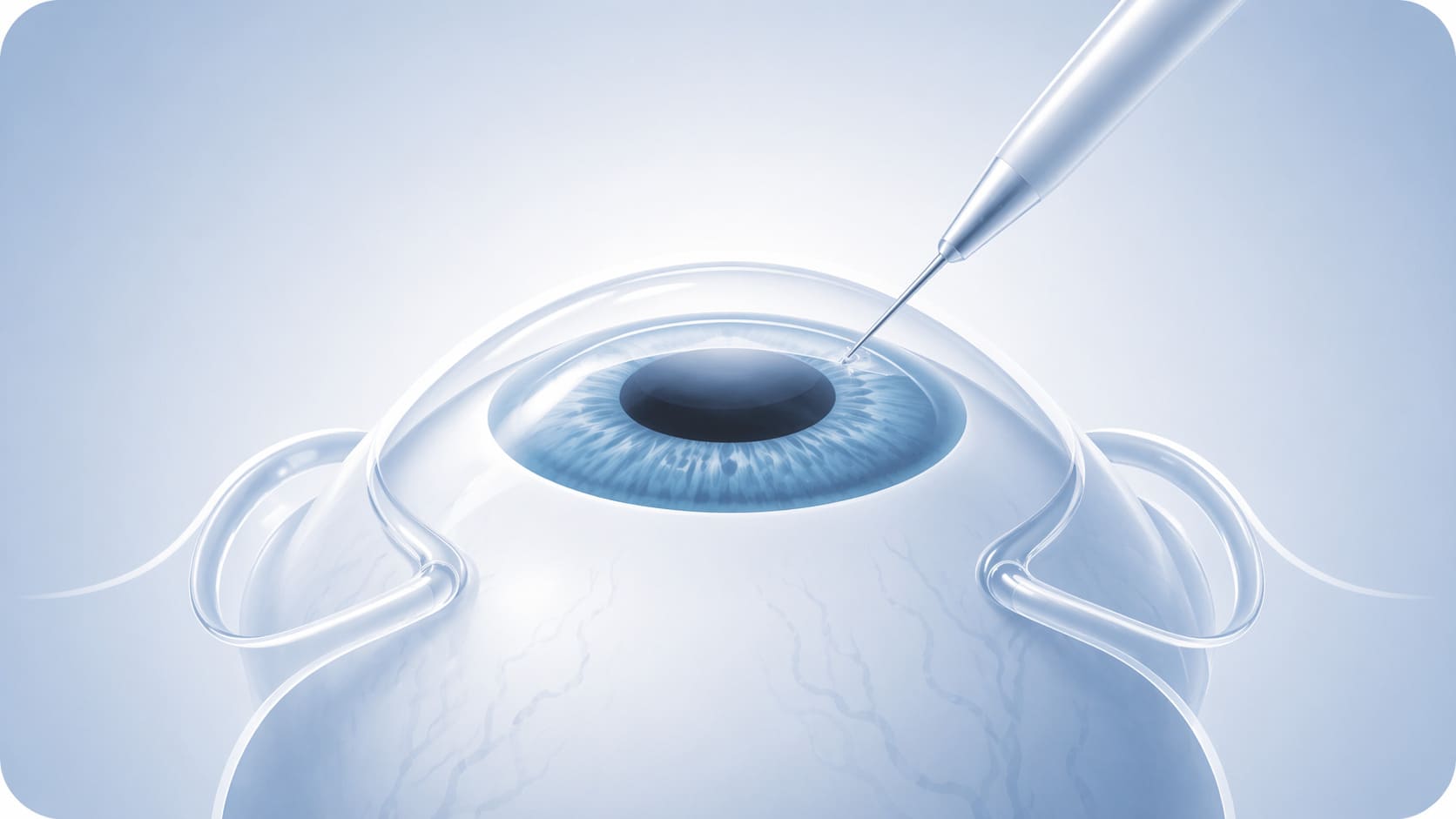
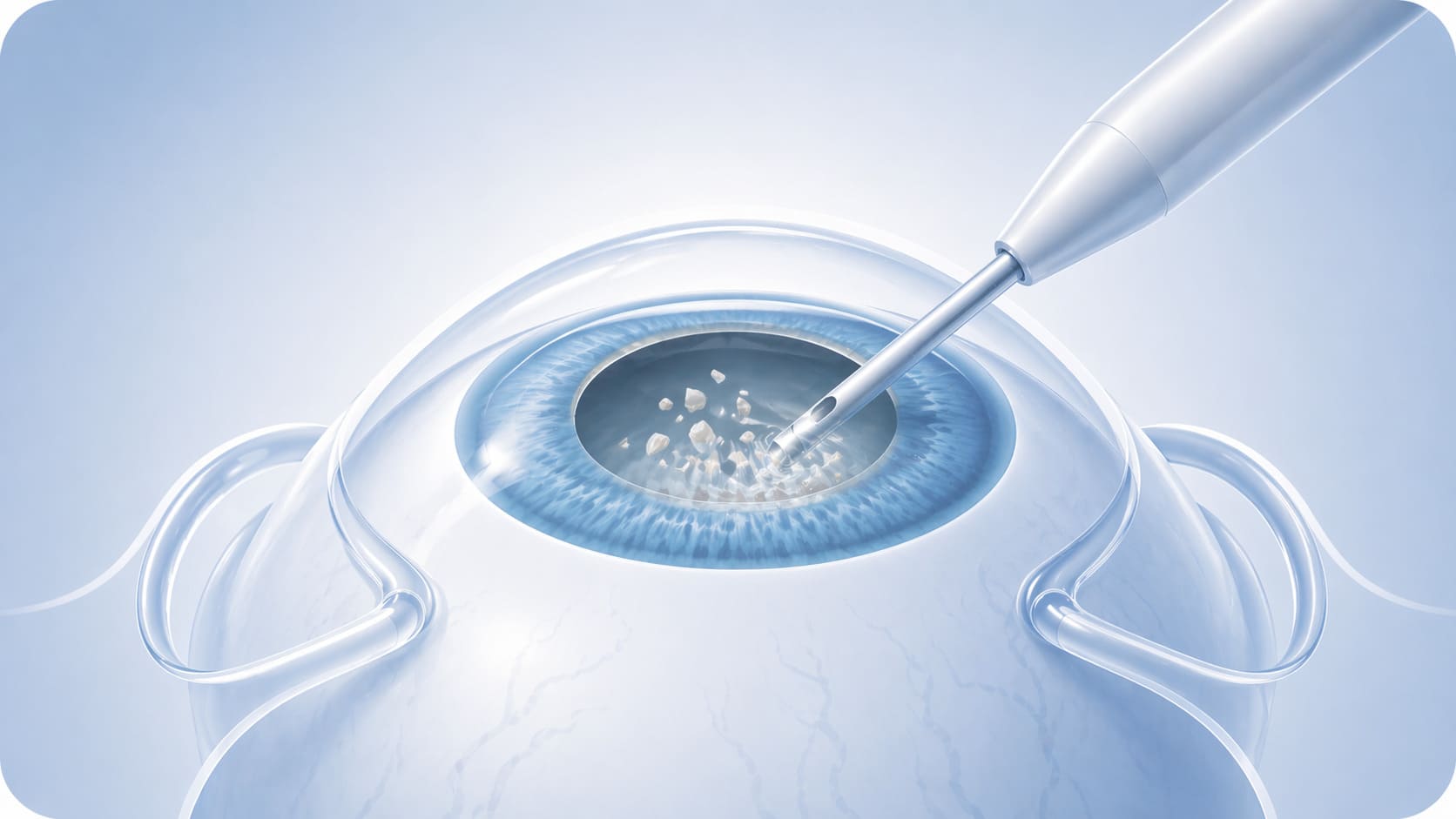
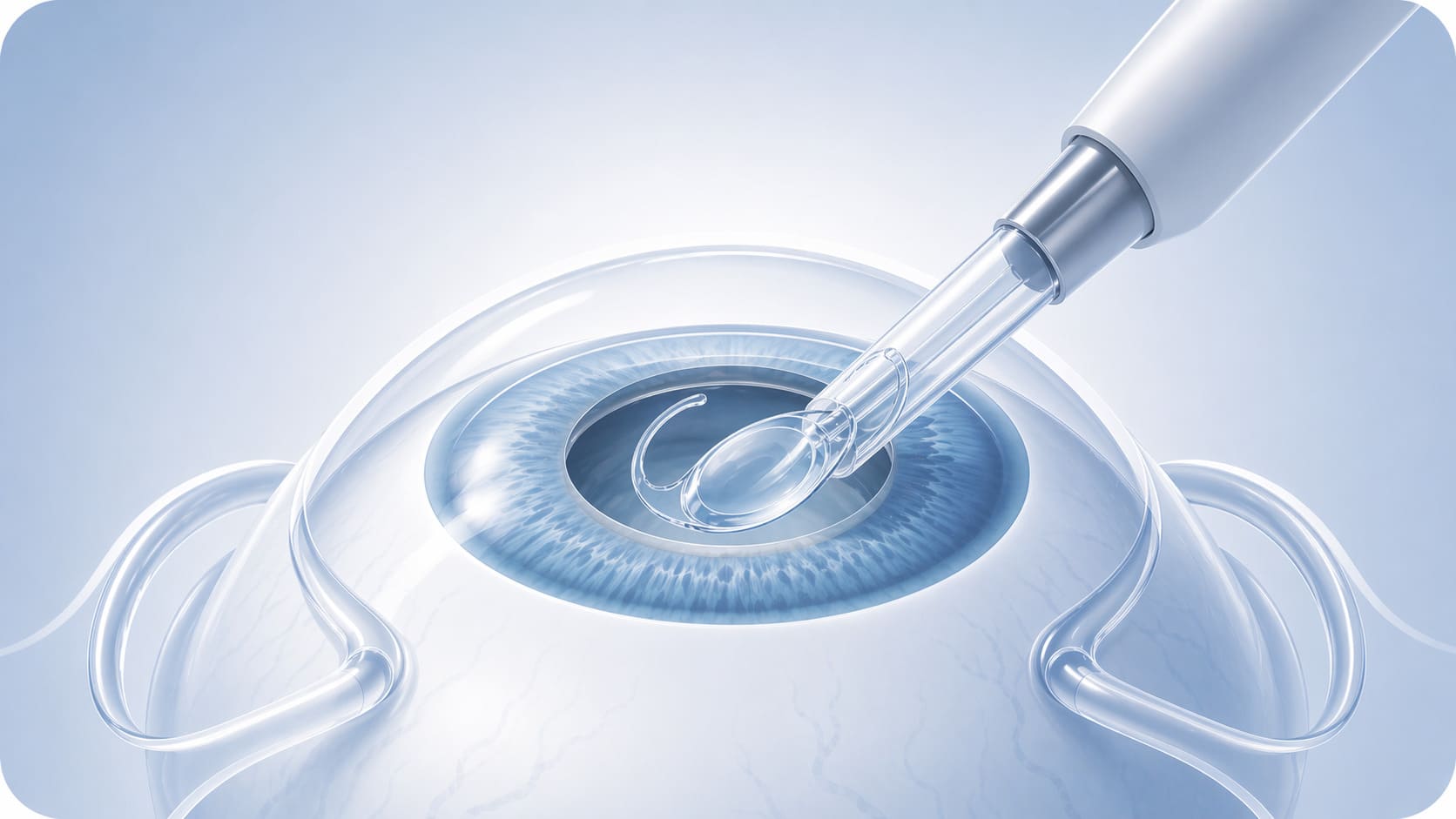
Which intraocular lens should you choose after cataract removal?
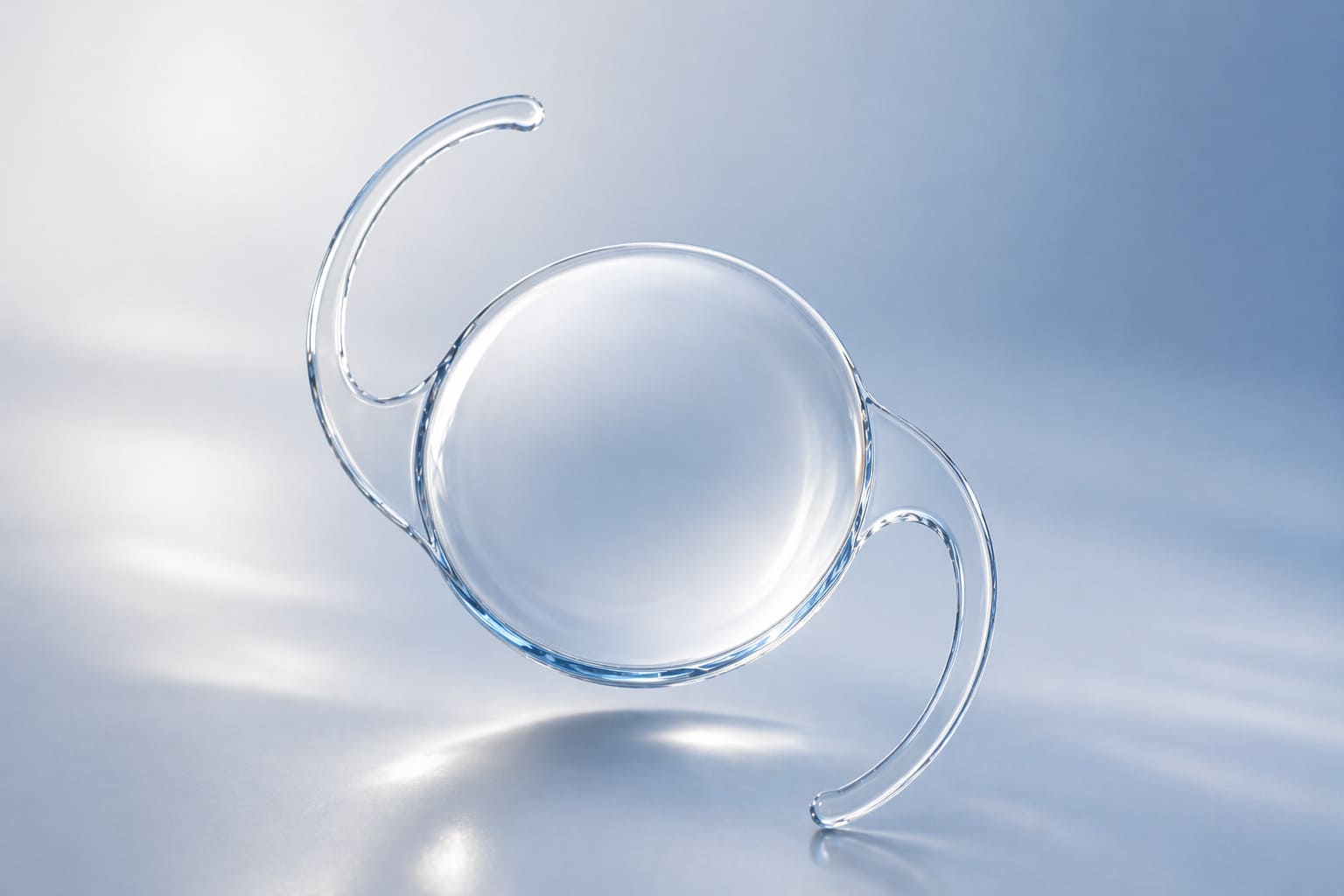
During cataract surgery, the natural lens is replaced with an artificial lens, also known as an intraocular lens (IOL). The type of IOL determines how well the patient will see at near, intermediate, and far distances after surgery.
Modern intraocular lenses not only help restore clear vision but may also reduce dependence on glasses in everyday life.
The artificial lens is selected individually after a comprehensive eye examination, taking into account the condition of the eyes, lifestyle, and the patient’s visual needs.
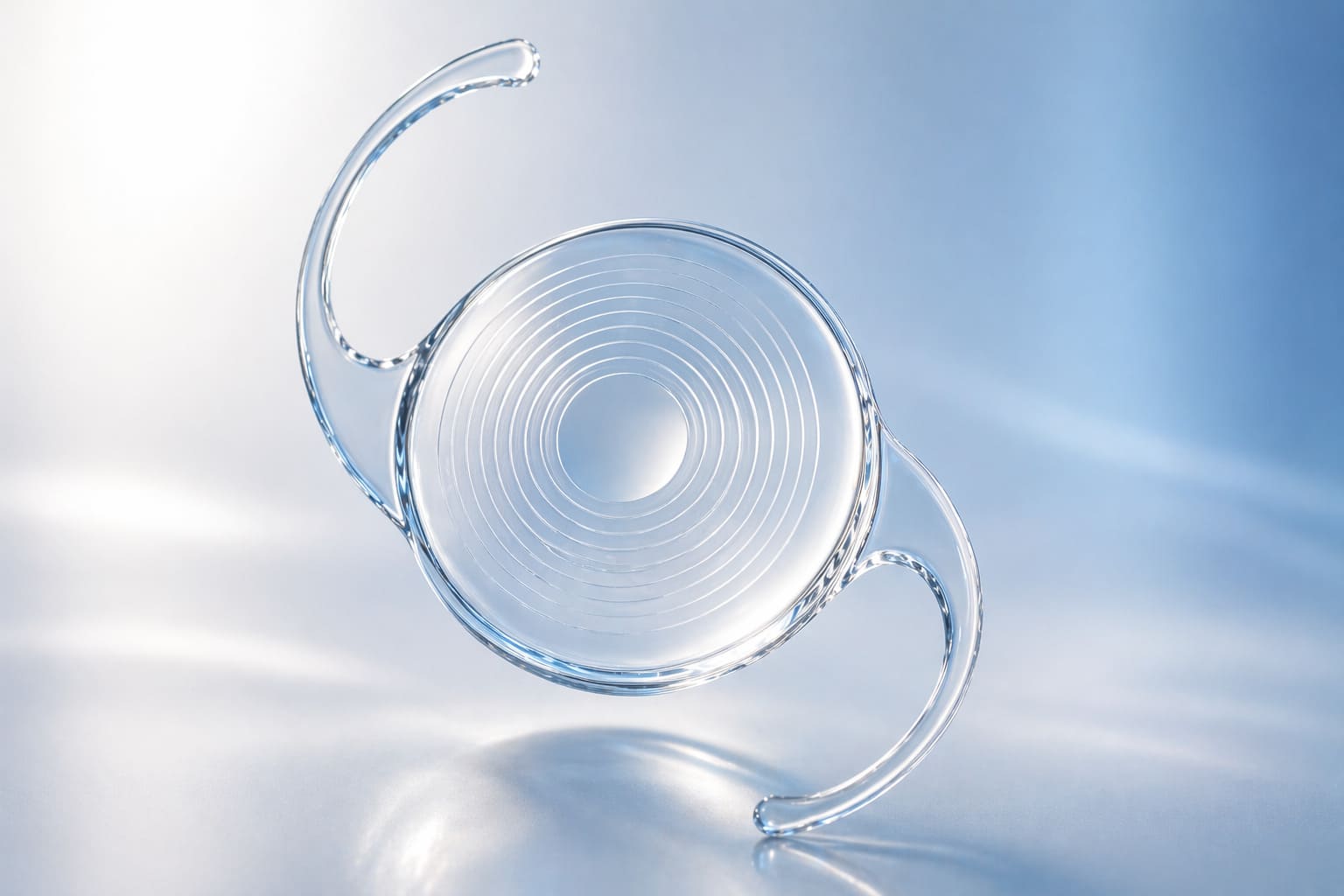
Trifocal lens
A trifocal lens provides clear vision at three main distances: near, intermediate, and far. After surgery, patients can read, use a smartphone, work at a computer, and perform daily activities more comfortably and with less dependence on glasses.
This type of IOL is suitable for people who lead an active lifestyle and want to minimise their need for glasses after cataract surgery.
Suitable if you:
Important considerations:
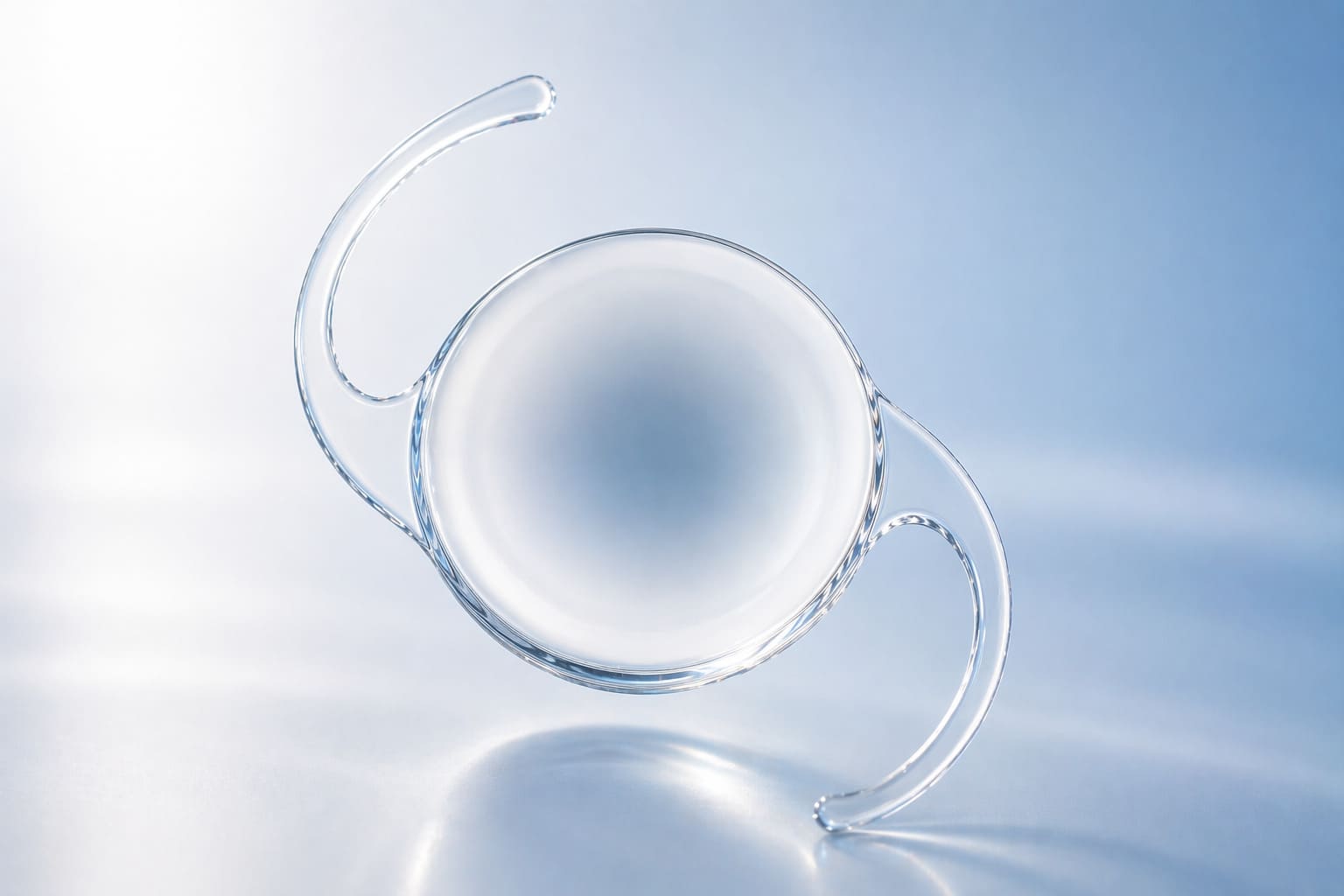
EDOF lens
An EDOF lens provides clear distance and intermediate vision. In everyday life, this allows you to work comfortably at a computer, use a smartphone, drive, and perform most daily activities.
After EDOF IOL implantation, dependence on glasses is usually reduced; however, they may still be required for reading small print up close.
Suitable if you:
Important considerations:
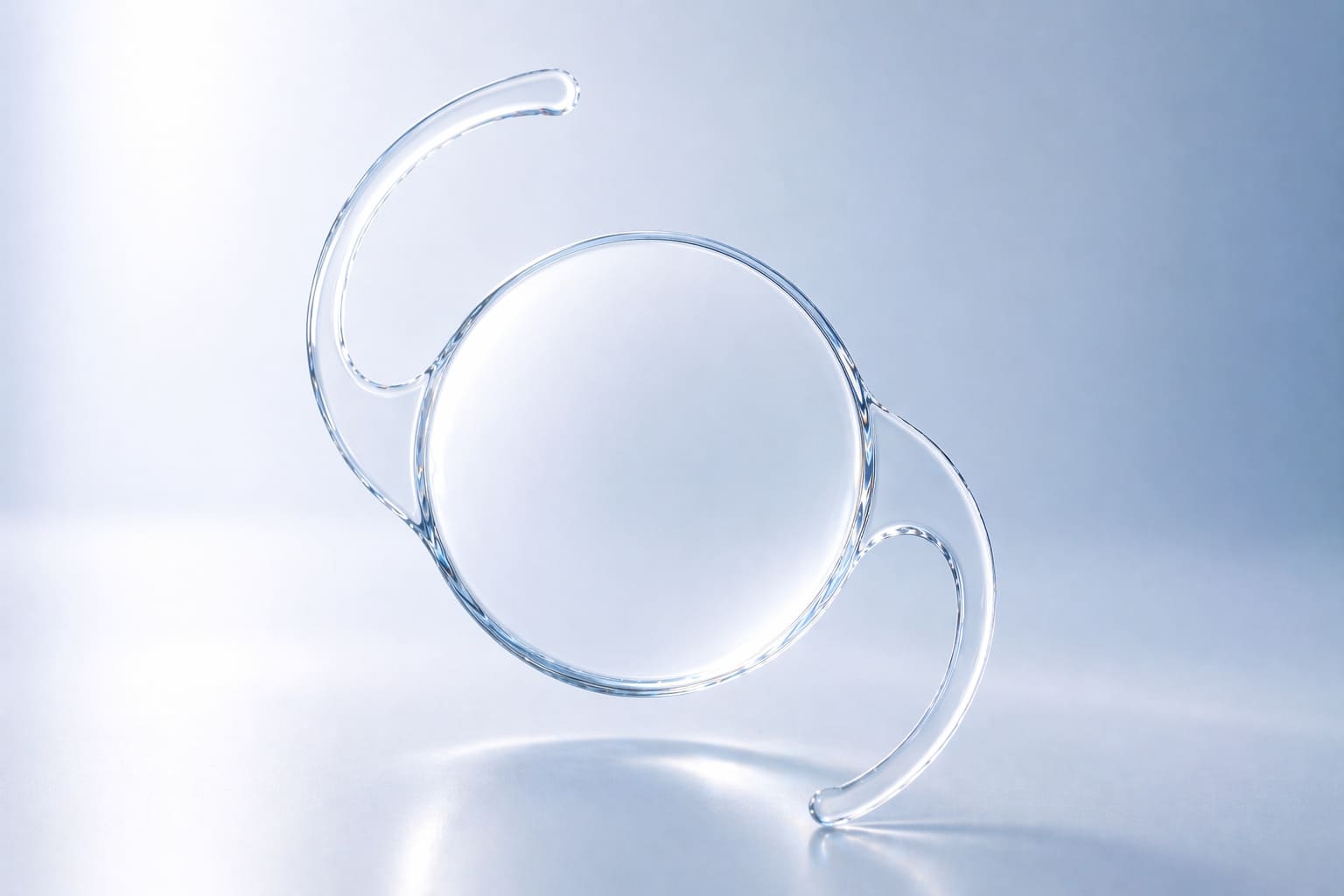
Monofocal lens
A monofocal lens provides clear vision mainly at one distance, most commonly for distance vision. After surgery, the patient can comfortably watch television, go for walks, and drive.
Glasses are usually required for reading, using a smartphone, or working at a computer.
Suitable if:
- clear distance vision is important to you;
- you are prepared to use glasses for near vision;
- you are looking for a simple and proven IOL option.
Important considerations:
- glasses are usually required for reading and close-up work;
- a monofocal IOL does not provide clear vision at all distances without additional correction.
Recommendations before cataract surgery
Following your doctor's recommendations helps you prepare properly for surgery and reduces the risk of complications.

Undergo Specialized Diagnostic Testing
Before cataract surgery, an examination is required to assess the condition of the eyes, select an IOL, and plan the surgical procedure.

Take your usual medications (if needed)
Do not change your medication regimen before surgery without consulting your doctor. If any medication needs to be temporarily discontinued or adjusted, the doctor will inform you in advance.

Bring sunglasses with you
After surgery, your eyes may be more sensitive to bright light, so sunglasses can help reduce discomfort.

Apply eye drops if prescribed
If your ophthalmologist has prescribed eye drops before surgery, use them according to the recommended regimen.

Come with an accompanying person
Driving after surgery is not recommended, so it is advisable to arrange in advance for someone to accompany you home.

Follow your usual diet
Unless your doctor has provided other dietary recommendations before surgery, you may follow your usual diet.
What should you avoid before surgery?
Following simple recommendations before cataract surgery helps reduce discomfort and properly prepare the eyes for the procedure.

Do not wear contact lenses for 7 days before the procedure
Contact lenses may affect the condition of the ocular surface and the results of certain measurements. The doctor will determine exactly when you need to stop wearing them.

Do not consume alcohol or take sedatives that may cause drowsiness
Before surgery, it is important to avoid substances that may affect your well-being or interact with anesthesia.

Do not use perfume on the day of the procedure
On the day of the procedure, it is advisable to avoid perfume and other strongly scented products.

Do not use cosmetics for two days before the procedure
Before surgery, it is not recommended to apply mascara, eyeshadow, creams, or other cosmetics around the eyes, as this helps reduce the risk of irritation.

Do not smoke on the day of surgery
Smoking can negatively affect your overall well-being, so it is advisable to refrain from smoking on the day of the procedure.

Do not touch or rub your eyes before surgery
Before cataract surgery, it is important to avoid eye irritation and not touch your eyes unnecessarily.
Recommendations after cataract surgery
Following your ophthalmologist's recommendations helps make recovery after surgery more comfortable and reduces the risk of complications.
Follow the prescribed regimen for eye drops and medications
Use eye drops and other medications exactly according to the regimen prescribed by your doctor after surgery.

Clean your eyes with sterile wipes for 14 days
Clean the area around your eyes only as recommended and use sterile materials if prescribed by your doctor.
Wear sunglasses if you are sensitive to light
After surgery, your eyes may be more sensitive to bright light for some time. Sunglasses can help reduce discomfort.

Continue your usual lifestyle without excessive exertion
You may read, watch television, and carry out your usual activities as long as they do not cause discomfort. It is important to avoid overexertion during the first few days.
Follow your usual diet
Unless your doctor has provided specific recommendations, there are usually no special dietary restrictions after cataract surgery.
What to avoid after surgery
During recovery, it is important to protect the eye, follow your doctor's recommendations, and gradually return to your usual lifestyle.

Do not touch your eye for 10 days
During the first few days after surgery, avoid touching or rubbing the eye to prevent irritation and disruption of the healing process.
Avoid getting water or cleansing products in the eye for 14 days
Be careful when washing your face and showering. The ophthalmologist will determine how long these restrictions should remain in place based on your recovery.
Do not use cosmetics for 14 days
Temporarily avoid mascara, eyeshadow, and other cosmetics around the eyes. You may resume using them once your doctor gives permission.
Do not visit a swimming pool, sauna, or steam bath for one month
During the healing period, avoid places where there is an increased risk of irritation or infection. The duration of these restrictions is determined individually.
Do not consume alcohol for one month
It is advisable to avoid alcohol after surgery, especially if you are taking medications prescribed by your doctor.
Do not drive until your vision has stabilized
You should only resume driving after a follow-up examination and approval from your ophthalmologist.
Avoid physical exertion and heavy lifting for one month
Do not lift heavy objects or engage in intense physical exercise during the recovery period. The exact duration of these restrictions depends on the condition of the eye and the doctor's recommendations.
Book an Initial Consultation
Why do patients trust us?
About Us
Lviv Medical Center – is a modern multidisciplinary medical center with more than 20 years of experience. More than 8000 cataract treatment and vision restoration procedures have been performed at the clinic.
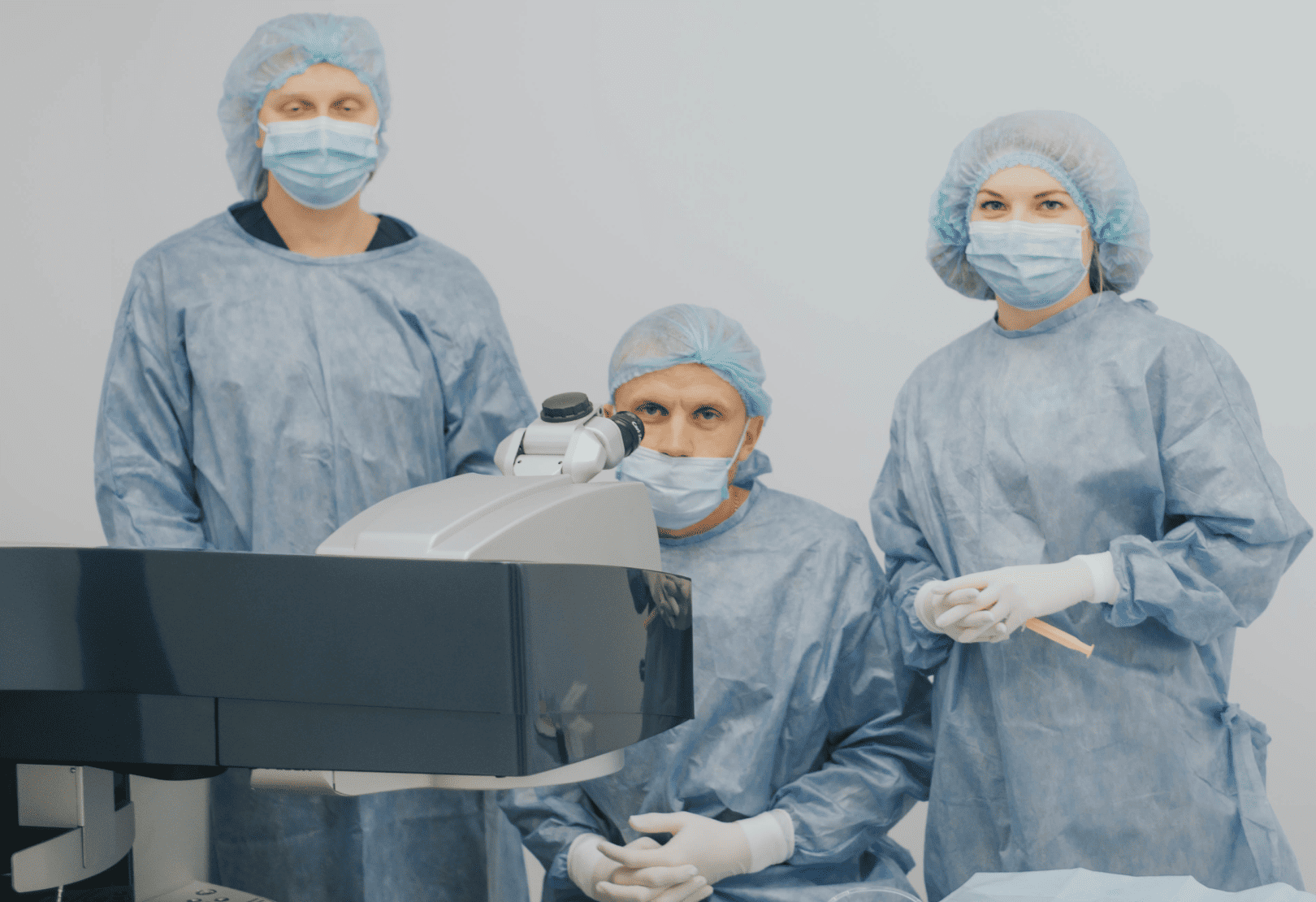
The team includes more than 100 qualified doctors. Patients have access to more than 3500 medical services, ranging from consultations and diagnostics to ophthalmic surgery, minimally invasive procedures, traumatology, rehabilitation, and physiotherapy.
Comfort and service at Lviv Medical Center

Our own inpatient department with meals provided
Patients may stay in a comfortable inpatient unit under the supervision of medical staff and receive meals in accordance with their doctor's recommendations.

Hotel at the Clinic
Accommodation is available for patients and their relatives at a hotel near the clinic, which is especially convenient for those traveling from other cities for treatment.

Free Parking
Free parking is available near the clinic, where you can leave your car during your consultation, examination, or treatment.

Free Wi-Fi throughout the clinic
Patients and their family members can use free Wi-Fi while at the medical center.

All services available at one center
Consultations, diagnostic examinations, cataract surgery, and follow-up care are all available at one medical center.

Accessibility for people with disabilities
The clinic is designed to allow patients with disabilities to move around comfortably and receive the medical care they need.
Our doctors:

Ihor Novytskyi
Ophthalmologist. The first professor of ophthalmology in Western Ukraine. Doctor of Medical Sciences, Professor
Practicing Since 1982
Vitreoretinal Surgery, Cataract, Ophthalmology

Markiian Novytskyi
Ophthalmologist. PhD in Medicine, specializing in ophthalmology
Practicing since 2009
Cataract, Ophthalmology
Our patients recommend us
I visited the clinic on the recommendation of a fellow student and did not regret it!
First, my grandmother underwent surgery (she had a cataract). We were examined by the excellent and experienced Dr. Zaturskyi R.I.
The cataract surgery was performed by Novytskyi Markiian Ihorovych.
Many thanks to the doctors and clinic staff! My grandmother is very happy that she can see the world even better now!
I also cannot help but mention the dental department at this clinic!
We were treated by the highly professional surgeon Halko Rostyslav Ihorovych!
Thanks to this doctor, my husband has a full 32-tooth smile ? and is now under his supervision and following his recommendations, as the situation is not straightforward!
Although this doctor was recommended to me a year ago
We visited Lviv Medikal Center with our children. We are very grateful to Dr. Nataliia Lynda for the professional consultation and examination. The children are happy. We would also like to thank the nurse who assisted the doctor.
Ivan Ivanovych Matishynets is the best vascular surgeon! I recommend him! I had a consultation and sclerotherapy of the blood vessels in one leg with this doctor! 100500% satisfied!!!
The procedure was successful! I am glad that I chose your medical center! I came here because my sister recommended this wonderful, God-gifted doctor!!!
I wish you success and prosperity!
Glory to Ukraine??????
Hello. I had laser vision correction in Ivano-Frankivsk. My doctor was V.V. Moloshii. I had postponed it for several years because of worry and fear. The procedure itself was quick and painless. Thank you for the vivid view of my life that I can now see without contact lenses.
I am very satisfied with the service. It is a beautiful, modern clinic. We would like to thank pediatric ophthalmologist Maryna Novytska for her professional work. The children are happy.
On 12.02.24, I underwent lens replacement surgery.
I would like to acknowledge the professionalism of surgeon I. Ya. Novytskyi and V. S. Halko.
The service at the medical center is outstanding!!!! The reception staff are sincere and welcoming!!!
I stayed overnight at the hotel at the medical center… it was clean, beautiful, and warm.
HIGHLY RECOMMENDED!!!!!
I am immensely grateful to Dr. Markiyan Ihorovych Novytskyi for the high level of professionalism and humanity, compassion, and attention shown to my father-in-law throughout the diagnostic process and successful surgery. An 87-year-old man regained the ability to fully appreciate the beauty of the world!
In our search for a way to save his eye, we had to visit more than one healthcare facility. I have had the opportunity to compare and analyze them. Therefore, I confidently recommend Lviv Medical Center at 56 Dovha Street, Lviv, for the most comprehensive resolution of medical issues.
I must note that the entire clinic team works in a highly coordinated manner. Their high level of professionalism, organization, and punctuality is impressive. It is clear that the clinic is equipped with state-of-the-art European-standard equipment. The stylish and sophisticated interior design is equally impressive, creating a particularly welcoming and comfortable atmosphere.
We are incredibly grateful and sincerely recommend the clinic to other patients!
Frequently asked questions
How much does cataract surgery cost in Lviv?
The cost of cataract surgery with IOL implantation at Lviv Medical Center starts from 21 300 UAH. The final price depends on the type of artificial lens and the complexity of the case. After diagnostic testing, the doctor will select the optimal IOL and explain what is included in the cost of treatment.
What determines the cost of cataract treatment?
The cost of cataract treatment is affected by the type of intraocular lens, the presence of astigmatism, the condition of the cornea and retina, the complexity of the surgery, the scope of diagnostic testing, and the specifics of each case.
Can cataracts be treated without surgery?
Once the lens has become cloudy, eye drops or exercises cannot restore its transparency. The primary treatment for cataracts is the surgical removal of the cloudy lens followed by IOL implantation.
Which IOL is best to choose?
There is no single IOL that is best for everyone. A monofocal, toric, EDOF, or trifocal lens is selected individually after diagnostic testing, taking into account the condition of the eyes, astigmatism, lifestyle, and the patient’s visual needs.
Is cataract surgery painful?
Cataract surgery is usually performed under local topical anesthesia, so the patient does not experience significant pain. Sensations of light, mild pressure, or touch may occur.
How long does cataract removal surgery take?
In most cases, the surgery takes approximately 15–20 minutes. The exact duration depends on the complexity of the case and the technique selected.
Will I Need Glasses After Surgery?
This depends on the type of IOL. After implantation of a monofocal lens, glasses may still be needed for near vision. EDOF, multifocal, or trifocal IOLs can significantly reduce dependence on glasses.
How long does recovery take after cataract surgery?
Most patients return to light daily activities within the first few days. Full recovery and stabilization of vision take longer and depend on the condition of the eye, the type of IOL, and individual healing factors.
What Are the Restrictions After Cataract Surgery?
After surgery, it is important not to rub the eye, to use the prescribed eye drops, and to temporarily avoid swimming pools, saunas, eye cosmetics, and strenuous physical activity. The doctor determines the exact restrictions and how long they should be followed on an individual basis.
Cost of Cataract Treatment
News




Cataract treatment
Cataracts are among the most common eye conditions and occur more frequently in older adults. With a cataract, the eye’s natural lens gradually loses its transparency, causing blurred vision and reduced visual acuity. Without timely treatment, the condition can significantly impair vision. Below, we explain the symptoms of cataracts and how they are diagnosed and treated at Lviv Medical Center.
- Ophthalmology
- Pediatric Ophthalmology
- Eyelid surgery
- Vitreoretinal surgery
- Removal of a Subluxated Crystalline Lens
- Closed vitrectomy
- Optical Coherence Tomography (OCT)
- Vision diagnostics
- Examination before laser vision correction
- Pachymetry
- Tonometry
- Glaucoma Treatment
- Retinal coagulation
- Keratoconus Treatment
- Laser vision correction
- Artificial Lens (IOL) Implantation
- Phakic lens implantation
- Pterygium Treatment