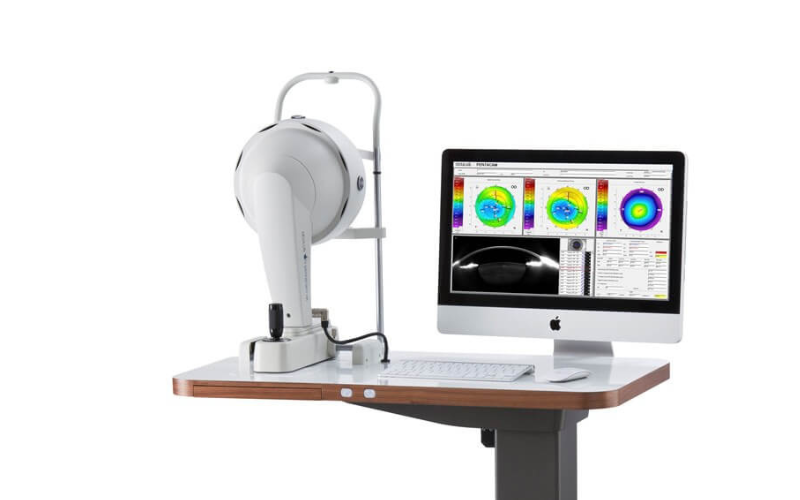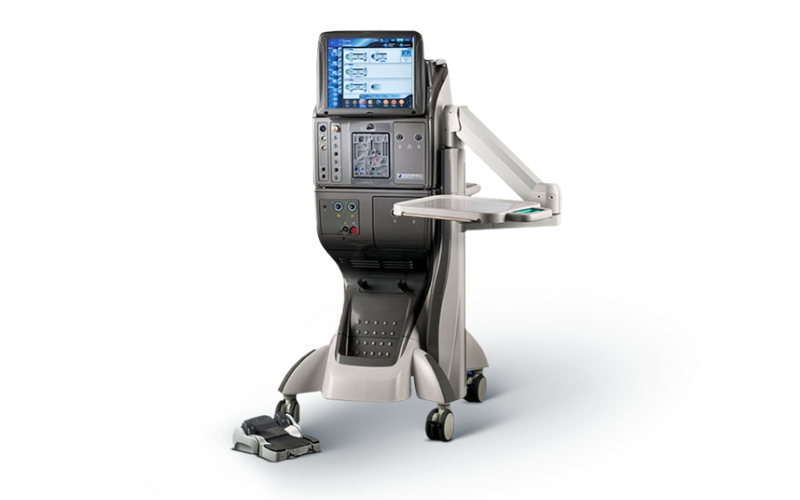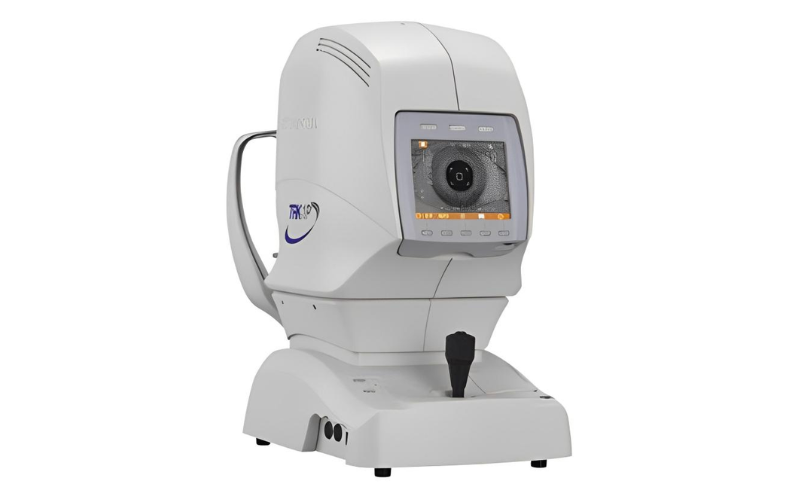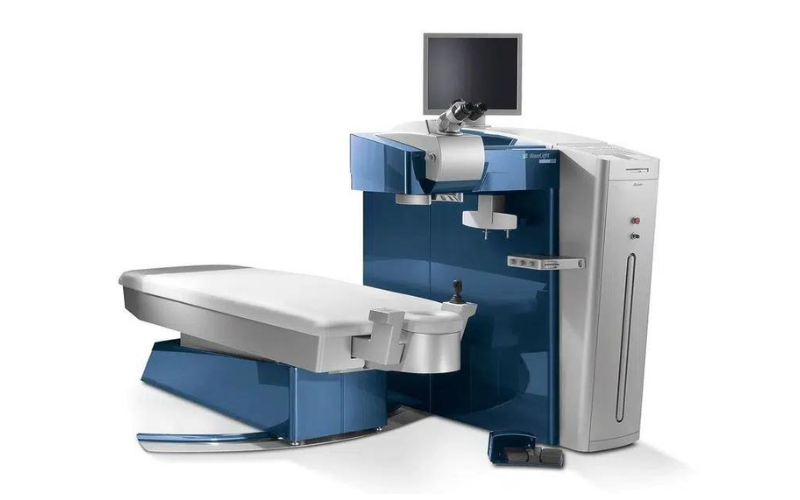
Ексимер-лазер
WaveLight EX500 Excimer Laser Alcon (США)


Thank you! Your message has been sent successfully.
Please wait for a reply.

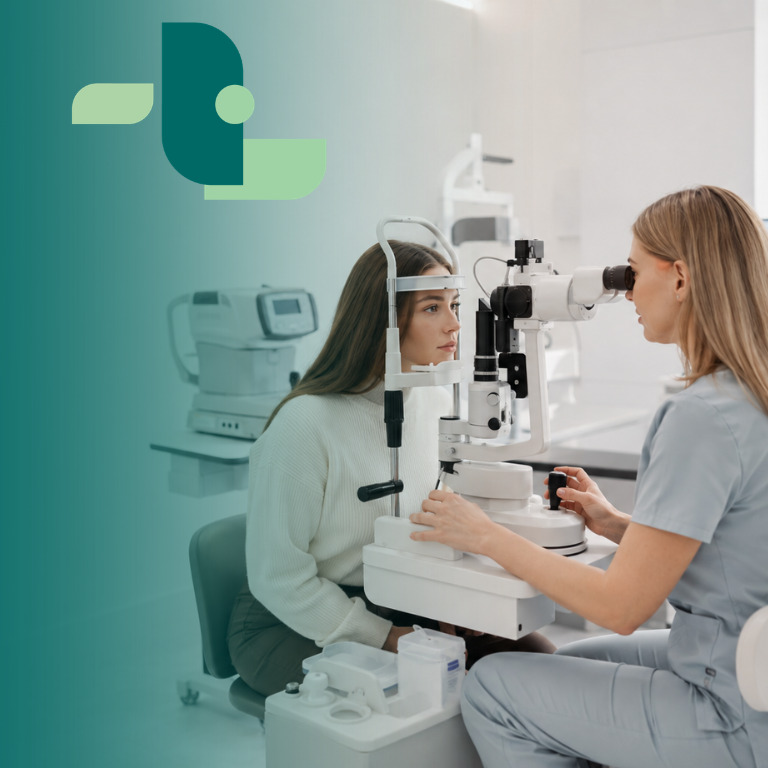
Consultation, diagnosis, and treatment.
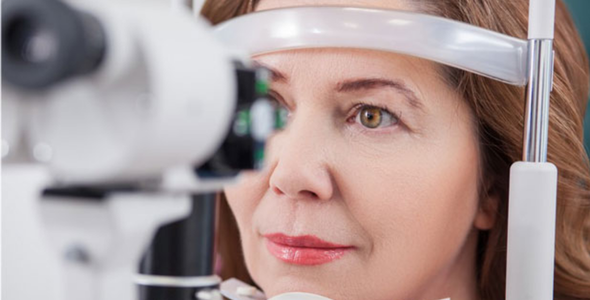
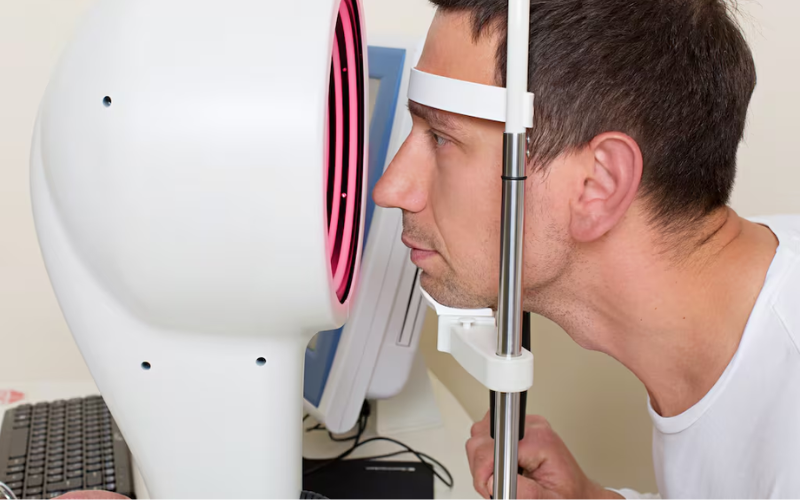
If your vision has become less clear or you find it difficult to read small print or distinguish objects at a distance, you should have an ophthalmological examination. Possible causes include myopia, hyperopia, astigmatism, or other refractive errors.
A sudden deterioration in vision, the appearance of dark spots or flashes of light, or sudden loss of vision in one eye requires urgent consultation with an ophthalmologist. These symptoms may be associated with retinal diseases, vascular disorders, or other acute conditions.
Eye pain, burning, irritation, redness, or swelling may occur due to infections, inflammation, or injuries. A consultation with an ophthalmologist will help identify the cause and determine the necessary treatment.
Dryness, a gritty sensation in the eyes, or persistent tearing may be signs of tear film dysfunction, inflammation, or exposure to external factors. After diagnosis, the doctor selects treatment to reduce discomfort.
Floaters, threads, dots, or spots moving across the field of vision may be associated with changes in the vitreous body or retina. If they appear suddenly or increase significantly in number, an ophthalmological examination is necessary.
Persistent eye redness, inflammation, or eyelid swelling may occur with blepharitis, conjunctivitis, allergic reactions, or other conditions. An ophthalmologist will determine the cause of the symptoms and select the appropriate treatment.
Eye fatigue, blurred vision, headaches, or difficulty focusing after prolonged reading or computer work may indicate visual strain or an accommodation disorder. An examination helps assess your vision and properly manage visual workload.
Regular examinations by an ophthalmologist are important even when there are no symptoms. Particular attention should be paid to preventive screening after the age of 40, when the risk of glaucoma, cataracts, and other age-related vision changes increases.
Diabetes mellitus may affect the retinal blood vessels and cause diabetic retinopathy. Patients with diabetes and other chronic conditions are advised to undergo regular vision tests and fundus examinations.
If close relatives have had glaucoma, cataracts, or other serious eye diseases, preventive examinations help monitor the visual system and detect potential pathological changes promptly.
Elevated intraocular pressure is one of the risk factors for glaucoma. Because the condition may remain asymptomatic for a long time, it is important to have regular checks of intraocular pressure and the optic nerve.
An ophthalmologist should be consulted in the event of a blow, cut, burn, foreign body, or other eye injury. Timely diagnosis helps assess the extent of the damage and reduce the risk of complications and vision impairment.
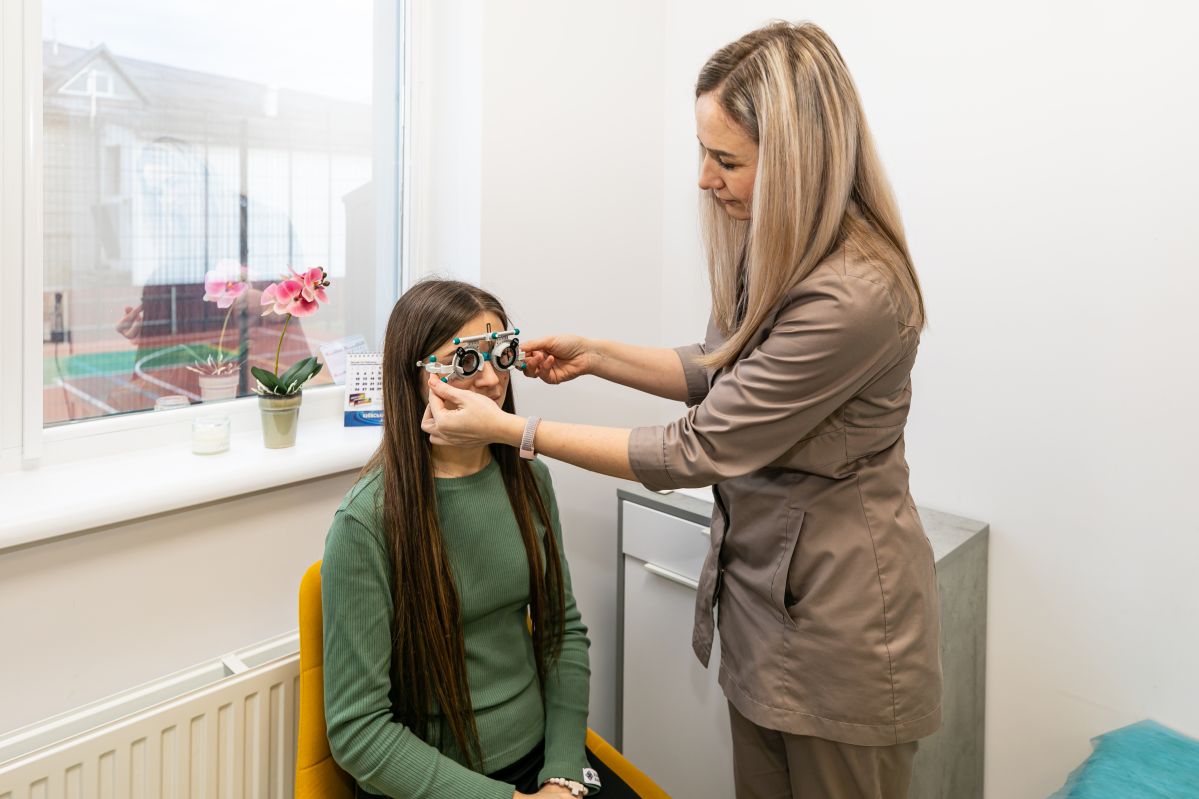
A comprehensive eye examination helps assess the condition of the visual system, identify vision problems, and detect changes that may not yet cause noticeable symptoms. The examination is an important step before selecting vision correction or beginning treatment.
At Lviv Medical Center, comprehensive eye examinations are performed using modern ophthalmic equipment and assess visual acuity, refraction, and the condition of the cornea, retina, and other eye structures.
Following the diagnostic assessment, the ophthalmologist reviews the examination results, provides a clinical opinion, and makes further recommendations regarding treatment, vision correction, or the need for additional tests.
Book an appointment with an ophthalmologist in Ivano-Frankivsk
Do not put off caring for your vision — modern ophthalmology is now close at hand.
Nearsightedness, or myopia, is a vision disorder in which nearby objects are seen clearly while distant objects appear blurred. To correct myopia, an ophthalmologist may recommend glasses, contact lenses, or laser vision correction when clinically indicated.
Farsightedness, or hyperopia, can make it difficult to see clearly at close range and may cause eye strain. After an examination, the ophthalmologist determines the degree of impairment and selects glasses, contact lenses, or another correction method.
Astigmatism results from the shape of the cornea or lens, which causes light rays to focus unevenly. This can cause blurred or distorted vision at different distances. Special glasses, toric contact lenses, or laser procedures are used for correction.
Presbyopia is associated with the natural age-related decline in the eye’s ability to focus at close distances. Usually, after the age of 40, it becomes more difficult to read small print or work at close range. Correction may include glasses, contact lenses, or other ophthalmic methods.
Presbyopia, cataracts, glaucoma, macular degeneration, and other conditions affecting the quality of vision may develop with age. Regular diagnostic examinations help detect changes promptly and determine the necessary treatment.
A cataract is characterized by the gradual clouding of the lens, which reduces visual acuity and contrast sensitivity. An ophthalmologist diagnoses the cataract and, when clinically indicated, recommends surgical treatment to replace the natural lens with an artificial intraocular lens.
Glaucoma is a disease in which the optic nerve is gradually damaged, often due to elevated intraocular pressure. Glaucoma treatment may include medication, laser procedures, or surgery.
Conjunctivitis is inflammation of the eye’s conjunctiva that may be caused by bacteria, viruses, allergies, or other factors. After an examination, the ophthalmologist determines the cause of the condition and prescribes appropriate treatment.
Dry eye syndrome may result from insufficient tear production or abnormalities in the composition of the tear film. Symptoms may include dryness, burning, redness, and a foreign body sensation. Treatment is selected according to the cause and severity of the symptoms.
Keratoconus is a progressive corneal disorder in which the cornea becomes thinner and gradually changes shape. The condition may cause astigmatism and significant visual impairment. Treatment options include contact lens correction, corneal cross-linking, and other methods depending on the stage of the disease.
Diabetic retinopathy is a complication of diabetes mellitus that affects the retinal blood vessels and may gradually impair vision. Regular fundus examinations make it possible to monitor changes and provide the necessary treatment promptly.
Macular degeneration affects the central part of the retina, which is responsible for detailed central vision. The condition can make reading and distinguishing fine details more difficult. Treatment depends on the form of macular degeneration and the extent of the changes.
Retinal detachment is a serious condition in which the retina separates from the underlying tissues. It can lead to sudden deterioration or loss of vision and therefore requires urgent diagnosis and surgical treatment.
Uveitis is an inflammatory process in the uvea that may be associated with infections, injuries, or systemic diseases. The ophthalmologist identifies the cause of the inflammation and selects treatment to control the condition and prevent complications.
An ophthalmologist should be consulted for corneal injuries, contusions, burns, foreign bodies, and other eye injuries. Depending on the nature of the injury, treatment may be medical or surgical.
Strabismus, or crossed eyes, involves impaired alignment of the eyes and may affect binocular vision. Treatment may include glasses, device-based methods, special exercises, or surgical correction.
An ophthalmologist treats blepharitis, chalazion, entropion, ectropion, and other eyelid conditions. Depending on the condition, treatment may involve medications, procedures, or surgery.
Blepharoplasty is performed to correct aesthetic and functional changes of the eyelids. The procedure may be used for excess skin, bags under the eyes, ptosis, or abnormal eyelid position that affects appearance or eye function.

Ursul Mariia Serhiivna
Ophthalmologist
Practicing since 2020
Ophthalmology

Melnyk Diana Tarasivna
Ophthalmologist, Pediatric Ophthalmologist
Practicing since 2020
Ophthalmology

Bukliv (Melnyk) Iryna Tarasivna
Ophthalmologist and retina specialist
Practicing since 2020
Ophthalmology

Ihor Novytskyi
Ophthalmologist. The first professor of ophthalmology in Western Ukraine. Doctor of Medical Sciences, Professor
Practicing Since 1982
Vitreoretinal Surgery, Cataract, Ophthalmology

Markiian Novytskyi
Ophthalmologist. PhD in Medicine, specializing in ophthalmology
Practicing since 2009
Cataract, Ophthalmology

Volodymyr Vasylovych Moloshii
Ophthalmologist
Practicing Since 2012
Laser vision correction, Ophthalmology
About ophthalmology
Ophthalmology – is a branch of medicine that covers the prevention, diagnosis, and treatment of eye diseases and various visual disorders. Ophthalmologists perform eye examinations and diagnose myopia, hyperopia, astigmatism, cataracts, glaucoma, retinal disorders, and other diseases of the visual system.
Ophthalmology also includes the treatment of inflammatory and infectious eye diseases, selection of vision correction methods, laser vision correction, cataract surgery, and other ophthalmic surgical procedures. Modern diagnostics help detect changes in a timely manner and select the optimal approach to preserve and improve vision.