Bariatric Surgery: Everything You Need to Know
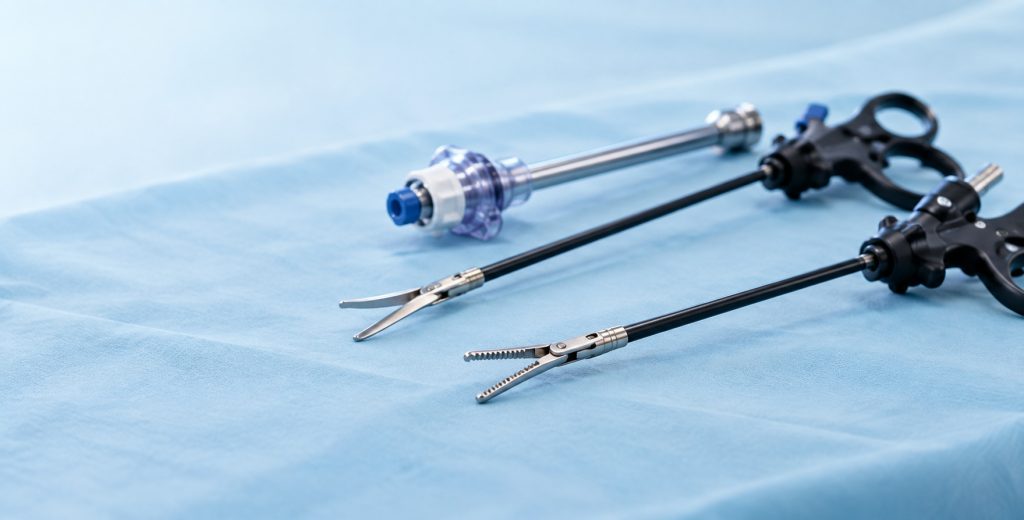
Bariatric surgery has become an important tool in the fight against obesity, which is currently a global epidemic. According to the World Health Organization, the number of people living with obesity is increasing, leading to numerous medical and social problems. Bariatric surgery gives patients an opportunity to transform their lives by losing weight and improving their overall health.
Bariatric surgery is a surgical procedure intended to promote weight loss by making changes to the digestive system. Depending on the type of procedure, it may work by restricting the stomach’s capacity, reducing calorie absorption, or combining both mechanisms. The primary goal of bariatric surgery is to help patients achieve significant weight loss, which may, in turn, improve or resolve obesity-related conditions.
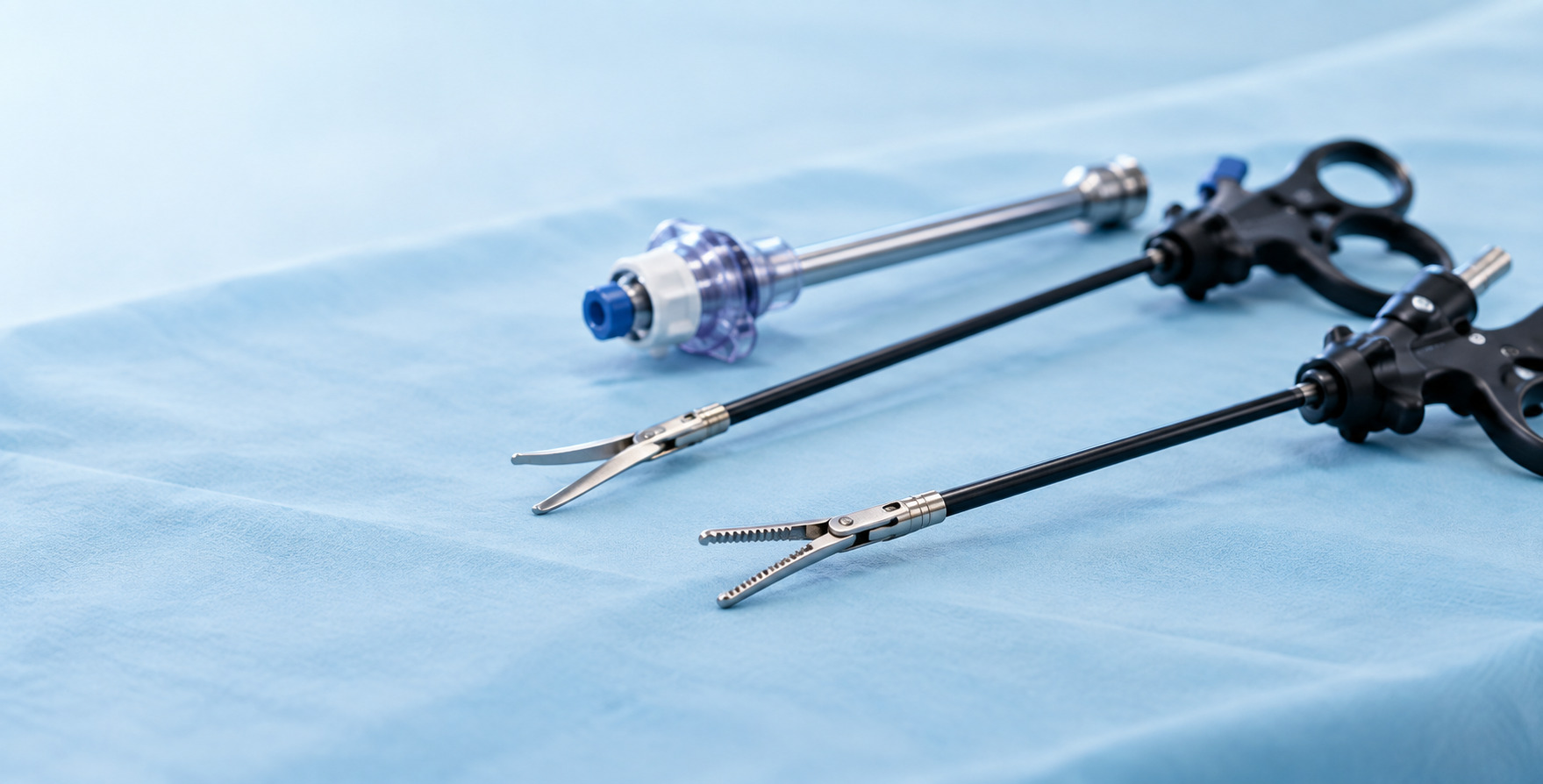
Types of bariatric surgery
There are several main types of bariatric procedures:
- Roux-en-Y gastric bypass:
- During the procedure, the stomach is reduced in size and connected to the lower part of the small intestine. This allows food to bypass the upper part of the stomach and intestine, which in turn reduces calorie absorption in these sections.
- Advantages: Significant weight loss and improved metabolic parameters.
- Disadvantages: Possible complications, such as dumping syndrome, which causes nausea and vomiting.
- Sleeve gastrectomy (vertical sleeve gastrectomy):
- In this procedure, approximately 80% of the stomach is removed, leaving a narrow “sleeve.” This reduces the stomach’s capacity and, consequently, the sensation of hunger.
- Advantages: Fewer risks and simpler postoperative care.
- Disadvantages: Risk of inadequate nutrition because the stomach produces fewer hormones that regulate appetite.
-
- Gastric plication:
- This is a bariatric surgery method that reduces the stomach’s capacity by creating folds (plications) in its walls.
- Advantages: Technically simpler to perform.
- Gastric plication:
- Disadvantages: Weight regain may occur if postoperative recommendations are not followed.
Candidates for the procedure
Bariatric surgery is recommended for patients who:
- Have a body mass index (BMI) of 40 or higher.
- Have a BMI of 35-39.9 with comorbidities such as diabetes, hypertension, or sleep apnea.
- Have tried other weight-loss methods (diet and exercise) without success for a certain period, usually 6-12 months.
Benefits of bariatric surgery
- Significant weight loss: Most patients lose between 50% and 70% of their excess weight.
- Improved health: Many patients experience improvement or even resolution of conditions such as type 2 diabetes, hypertension, and high cholesterol.
- Improved quality of life: Weight loss can lead to increased physical activity, better social relationships, and an overall improvement in psychological well-being.
Postoperative care
After surgery, patients must follow a special diet, beginning with liquids, then progressing to puréed foods, and eventually to solid foods. It is also important to:
- Attend regular medical check-ups to monitor your health.
- Maintain a high level of physical activity to preserve the achieved weight.
- Monitor your diet carefully to avoid nutrient deficiencies and prevent yourself from habitually consuming the same amount of food as before surgery.
The best results can be achieved through a comprehensive approach, specifically:
- Follow-up with a surgeon, dietitian, and endocrinologist (and, if necessary, a psychotherapist)
- Strictly follow the recommendations of the above specialists, the prescribed diet, and the physical activity regimen
Conclusion
Bariatric surgery can be an effective treatment for obesity and associated comorbidities. However, it is important to understand that it is not a cure-all. A successful outcome depends on following the physician’s recommendations, making lifestyle changes, and the patient’s willingness to commit to long-term changes. Before deciding to undergo surgery, a detailed consultation with a physician is necessary to assess all the benefits and risks.