Colonoscopy

Colonoscopy — a modern method for diagnosing serious conditions.
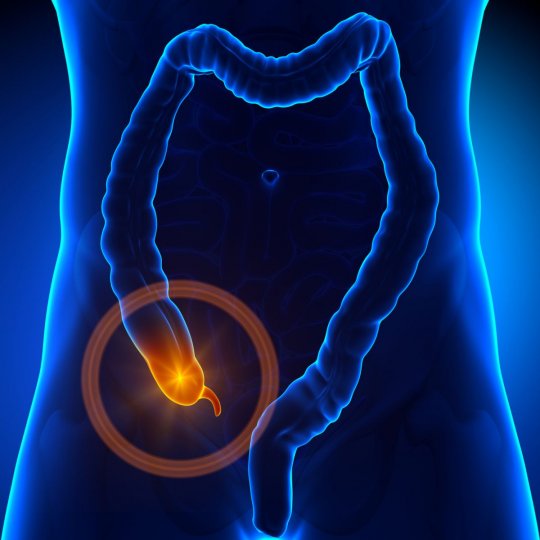
Colonoscopy – is a medical examination during which a doctor uses a special flexible instrument called a colonoscope to examine the inner walls of the colon and the end portion of the large intestine. This allows the doctor to identify problems such as polyps, inflammation, or signs of cancer. Colonoscopy is an important diagnostic and screening method, particularly for detecting early-stage colorectal cancer and other abnormalities. The procedure may be performed for diagnostic purposes or as part of a preventive examination.
How is a colonoscopy performed?
Main stages of the procedure:
- Preparation: before undergoing a colonoscopy, the patient must prepare the bowel using a special cleansing medication.
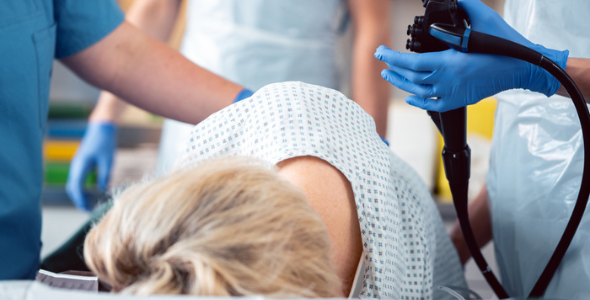
- Insertion of the colonoscope: the doctor inserts the flexible colonoscope through the anus and gradually advances it through the large intestine.
- Examination of the intestinal walls: the doctor examines the inner walls of the intestine using a camera located at the tip of the colonoscope. This makes it possible to detect any abnormalities.
- Biopsy sampling and polyp removal: during the colonoscopy, the doctor may collect small tissue samples for biopsy and remove any polyps that are found.
- Completion of the procedure: after examining all necessary areas, the doctor carefully withdraws the colonoscope.
When is a colonoscopy recommended?
A colonoscopy may be recommended in various situations to diagnose, screen for, or monitor various diseases and conditions of the large intestine. Here are some situations in which a colonoscopy may be recommended:
-
- Colorectal cancer screening: It is generally recommended for people over 50 years of age, or earlier if risk factors are present.
- Symptoms indicating problems with the large intestine: For example, blood in the stool, changes in bowel movements, pain, or discomfort.
- Genetic risk factors: If you have a family history of colorectal cancer or familial polyposis syndrome.
- Positive results from other tests: If other screening tests, such as fecal occult blood tests for colorectal cancer, are positive.
- Monitoring patients with identified abnormalities: For example, patients with detected polyps, previous bleeding, or other conditions that require monitoring.
Diagnosis of other diseases: A colonoscopy can be used to detect and diagnose other diseases of the large intestine, such as ulcers, inflammatory diseases (for example, Crohn’s disease), amoebiasis, diverticulosis, polyposis, and others.
How uncomfortable is a colonoscopy?
Most patients report that a colonoscopy is not painful and is generally well tolerated.
The level of discomfort may vary depending on several factors:
- Preparation: The bowel-cleansing process before a colonoscopy can be difficult for some patients and may cause discomfort. Taking bowel-cleansing medication can result in frequent trips to the toilet.
- Anesthesia: Many clinics offer colonoscopy under local or general anesthesia. With general anesthesia, the patient sleeps during the procedure and therefore does not experience discomfort. At Lviv Medical Center, we offer the procedure without anesthesia, under local anesthesia, or under general anesthesia.
- Individual sensitivity: Each patient may react differently to the insertion of the endoscope. Some may feel slight pressure, while others may experience more discomfort.
- The doctor’s experience: The doctor’s qualifications and experience may also affect the level of discomfort. An experienced doctor can perform the procedure quickly and with minimal discomfort.
- Psychological factors: Stress or anxiety before the procedure may increase the sensation of discomfort.
Preparing for a colonoscopy
Diet
2 days before the procedure:
- Do not consume: cabbage, legumes, buckwheat or other grains, poppy seeds, berries, vegetables, fruit, leafy greens, mushrooms, seeds, whole grains, nuts, brown bread, milk, processed meats, or fatty meat!
- You may consume: low-fat cheese, eggs, pasta, wholemeal bread, peeled boiled potatoes, boiled rice with lean fish, skinless chicken breast, strained broth (vegetable, meat, or fish), lean boiled meat, fish, and fillet.
The day before the procedure:
- Have your last meal by 14:00
- You may drink clear liquids: water, tea, still/carbonated non-alcoholic beverages, and pulp-free juices (not red or purple).
- Do not consume milk or alcoholic beverages.
Additional bowel preparation with medication
Using FORTRANS
The day before the procedure:
Stage I. (18.00-20.00)
- 18:00-19:00 Dissolve the contents of one sachet in one liter of water and drink 250 ml every 15 minutes. If necessary, add citrus juice (lemon or orange) to improve the taste.
- 19:00-20:00 Dissolve and drink the next (second) sachet.
- 20:00-21:00 Drink 1 l of clear liquid.
Therefore, from 18.00 to 21.00, you need to drink 1 l of solution + 1 l of solution + 1 l of water = 3 l
Stage II (on the day of the procedure)
- 3-5 hours before the colonoscopy, dissolve and drink the contents of the next (third and fourth) sachets.
- For example, if the procedure is scheduled for 10.00, you need to take the medication from 5:00 to 7:00
Using EZICLEN
On the evening before the examination
- 18:00-18:30 Drink 500 ml of solution within 20-30 minutes (pour the contents of one 176 ml bottle of Eziclen into the supplied measuring cup and add 324 ml of water to make 500 ml).
- 18:30-20:00 Drink 1.5 liters of liquid during this period (1 hour 30 minutes).
Therefore, from 18.00 to 20.00, you need to drink 500 ml + 1.5 l = 2 l
On the day of the examination.
- 3-4.5 hours before the colonoscopy, dilute and drink the contents of the second bottle + drink 1-1.3 l of liquid.
- For example, if the colonoscopy is scheduled for 10:00, you need to take the medication from 5:30 to 7:00
On the day of the procedure, please arrive at the medical center 30-40 minutes in advance. You will be shown to a room where you can change clothes (our staff will provide everything required for the procedure). If the procedure is performed under general anesthesia, you will also have a consultation with an anesthesiologist.
After the procedure, the Lviv Medical Center patient is transferred to a dedicated recovery room, where they can rest. Our specialists will be with you and support you before, during, and after the procedure.