




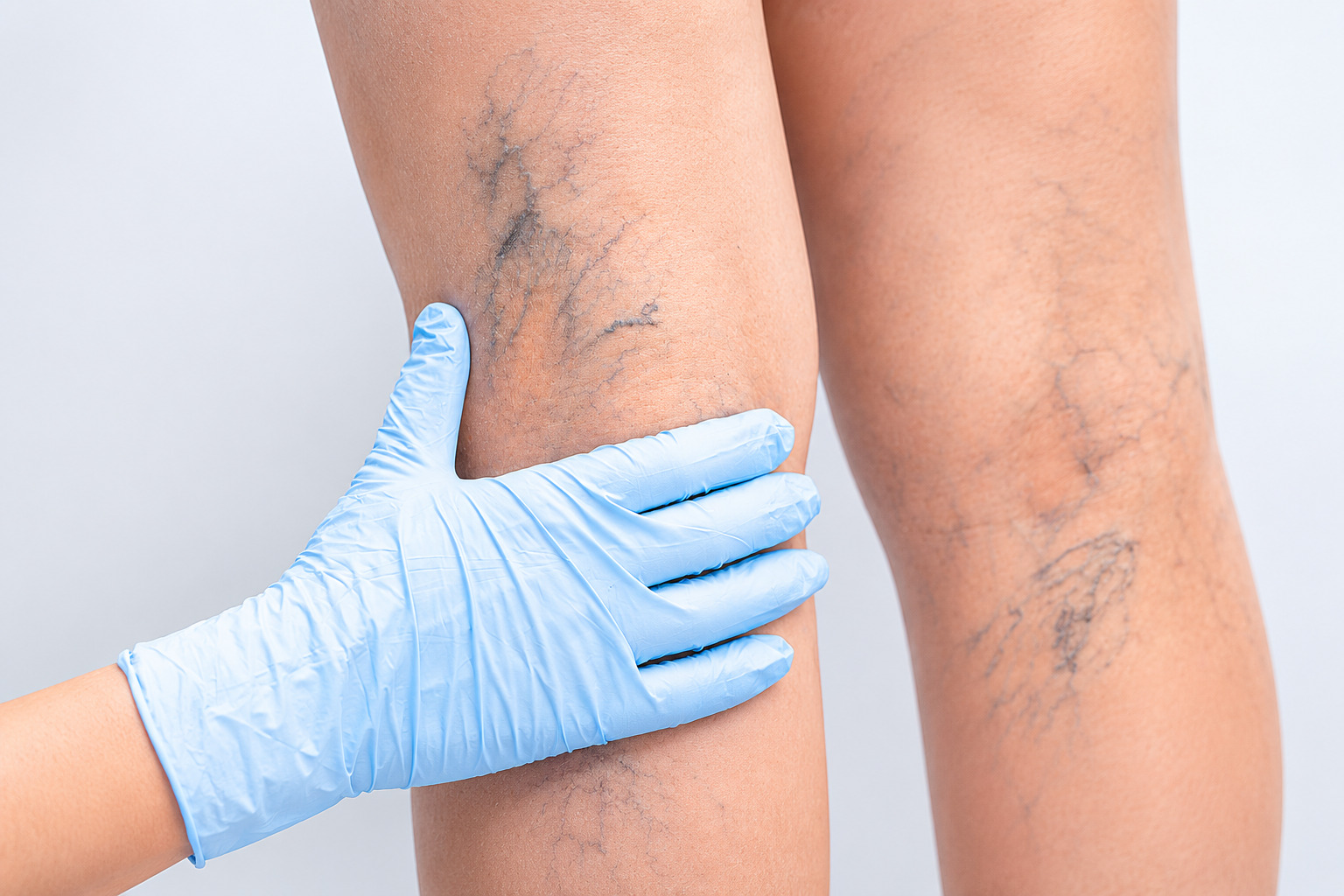
What does a vascular surgeon treat?
A vascular surgeon diagnoses and treats diseases of the veins and arteries that may disrupt normal blood circulation. During the consultation, the physician assesses the condition of the blood vessels, identifies potential risks, and selects the optimal treatment method.
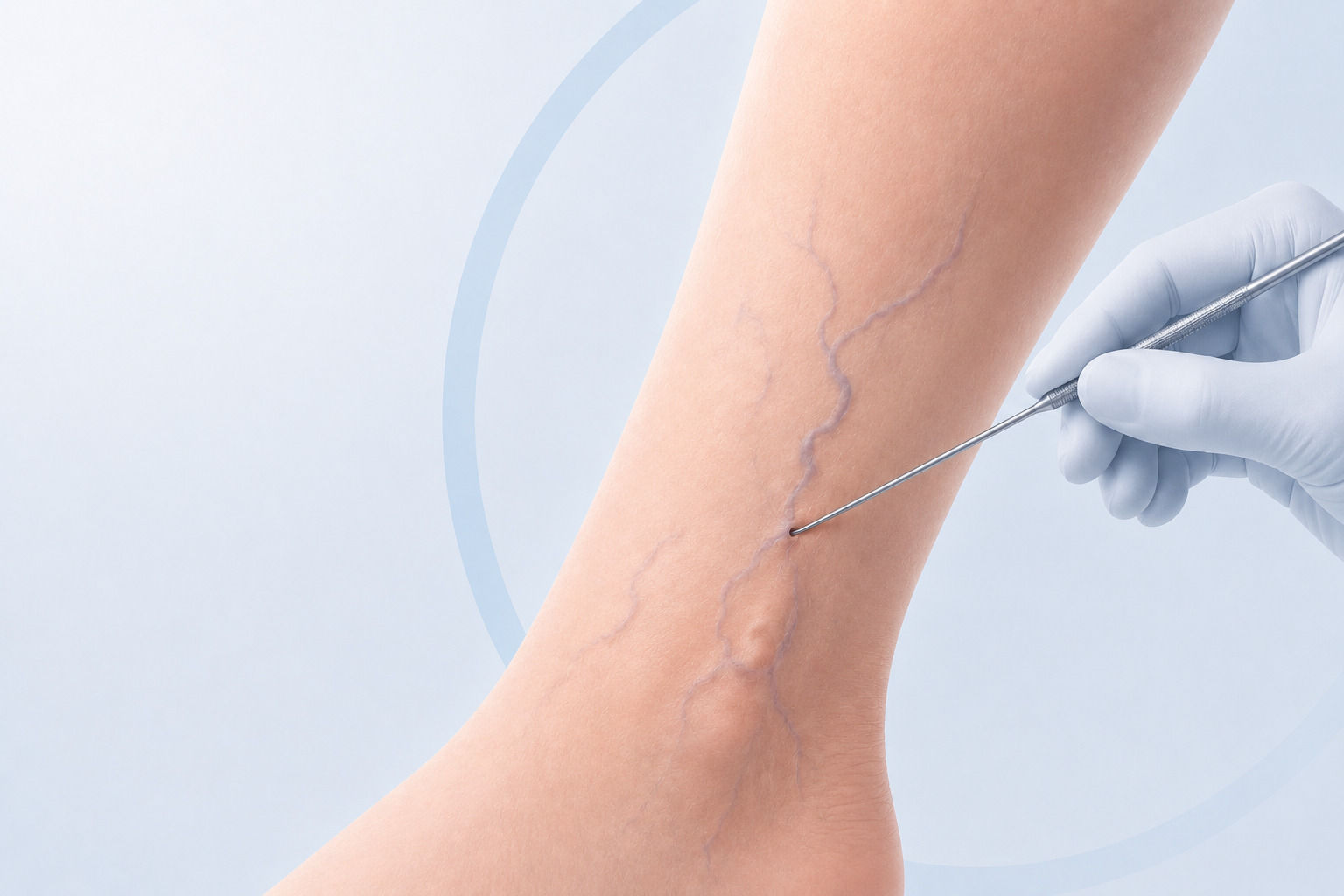
Patients most commonly consult this specialist for varicose veins, thrombosis, chronic venous insufficiency, atherosclerotic lesions of the arteries, swelling, pain, and a feeling of heaviness in the legs.
Depending on the diagnosis, treatment may include conservative methods, minimally invasive procedures, or surgery. Seeking medical care promptly helps reduce the risk of complications and maintain normal blood circulation.
Do you need a consultation with a vascular surgeon or phlebologist?
Schedule a consultation at Lviv Medical Center at a time convenient for you.
Conditions treated by a vascular surgeon
Varicose Veins
Deep vein thrombosis and thrombophlebitis
Arterial atherosclerosis
Trophic ulcers and diabetic foot
Lymphedema
Diagnostic methods
Diagnostic testing for vascular diseases helps assess the condition of the veins and arteries, evaluate blood flow, and detect possible circulatory disorders. The vascular surgeon determines the scope of the examination based on the symptoms and examination findings.

Ultrasound duplex scanning of blood vessels
One of the main diagnostic methods used to assess the patency of veins and arteries, the direction and velocity of blood flow, and the condition of venous valves, as well as to detect thrombosis, varicose changes, or narrowing of blood vessels. The examination is non-invasive and usually requires no special preparation.

CT angiography
This test is used for a detailed assessment of the arteries and to detect narrowing, blockages, and other vascular changes. It is performed using contrast and provides detailed images of the vascular system.

Laboratory tests
If indicated, the doctor may order blood tests to assess clotting parameters, glucose and cholesterol levels, and other factors that may affect vascular health.

Examination and clinical assessment
During the consultation, the vascular surgeon discusses the patient's symptoms, assesses the skin and limbs for swelling, enlarged veins, and trophic changes, and checks for signs of impaired blood circulation.
Treatment methods
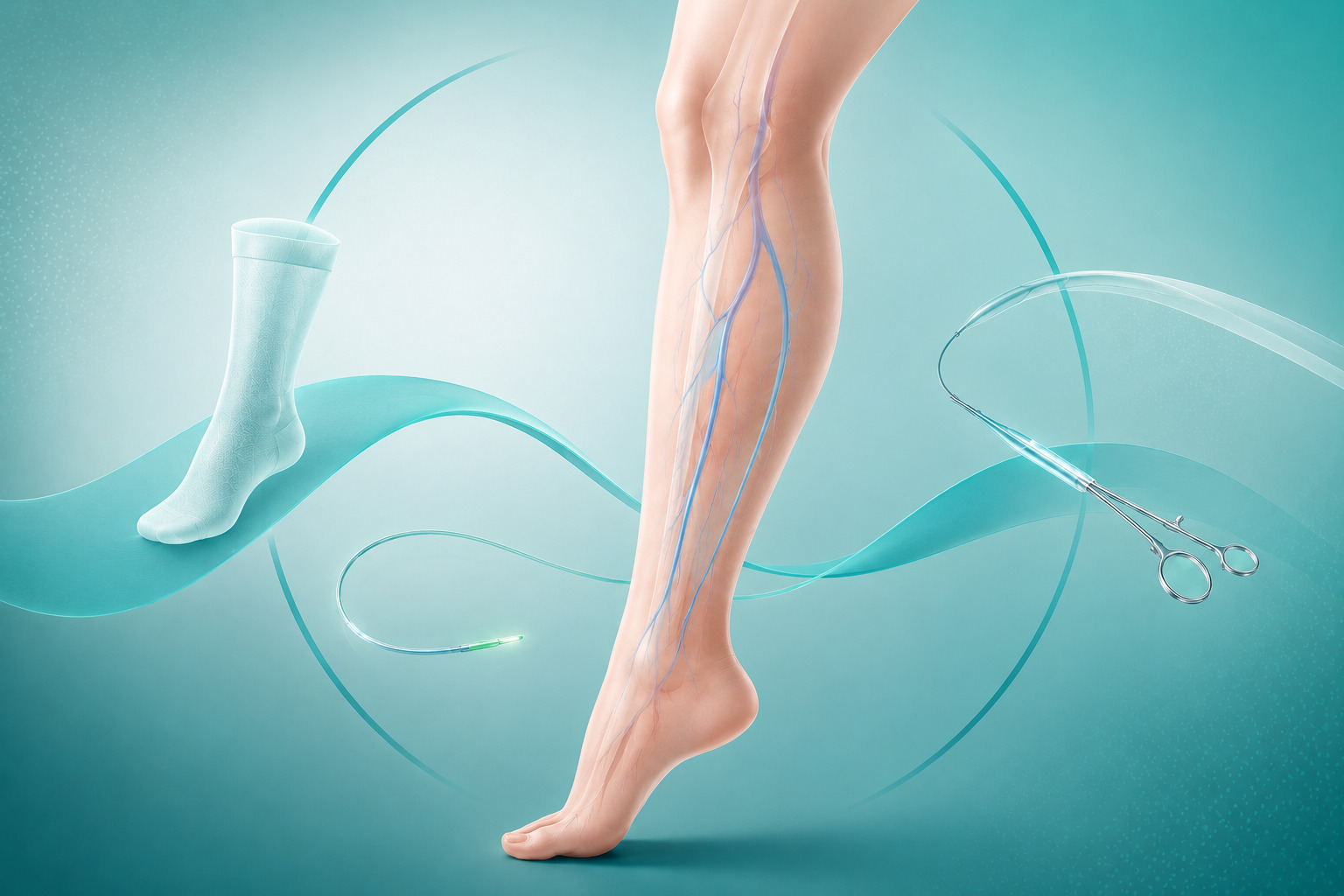

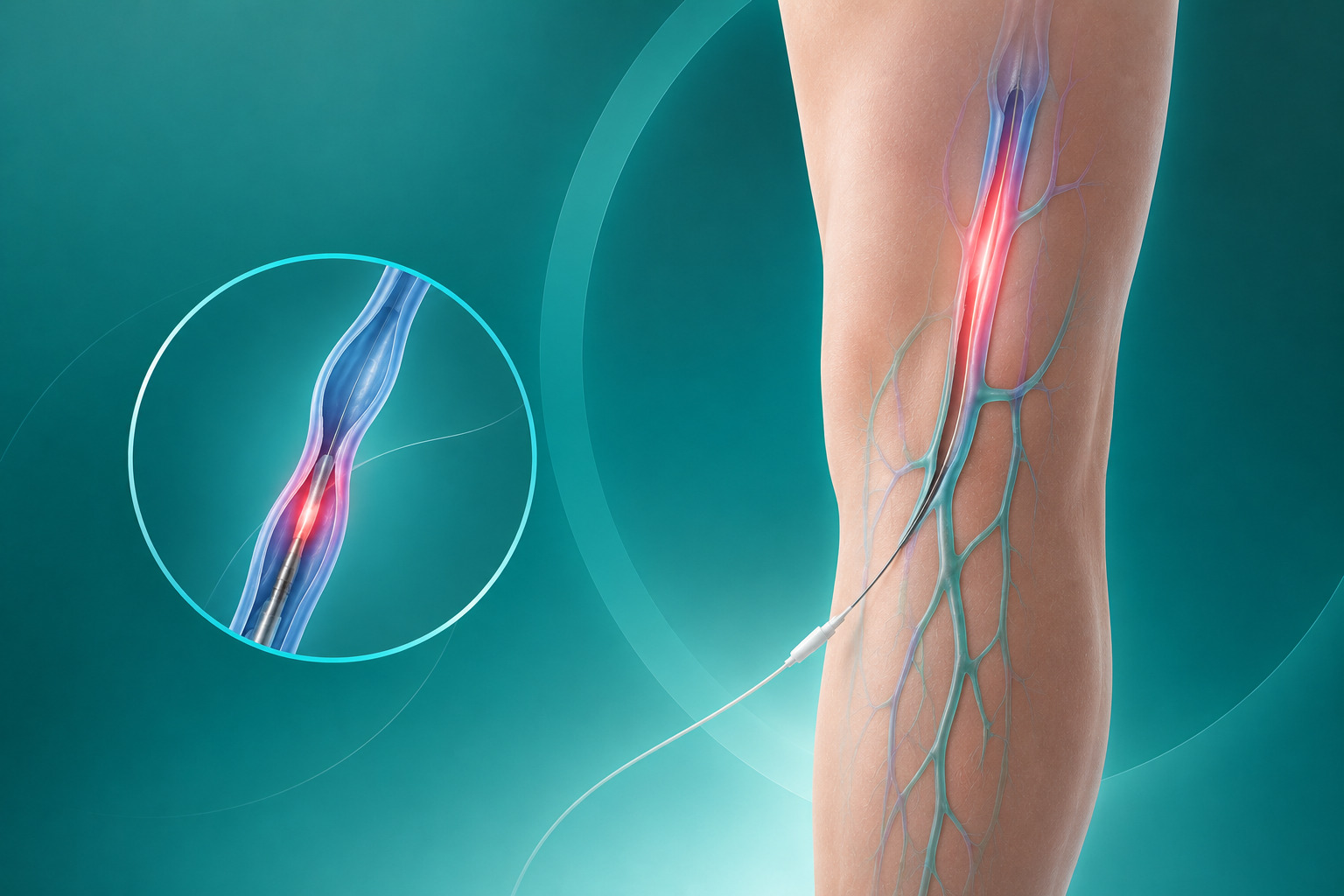
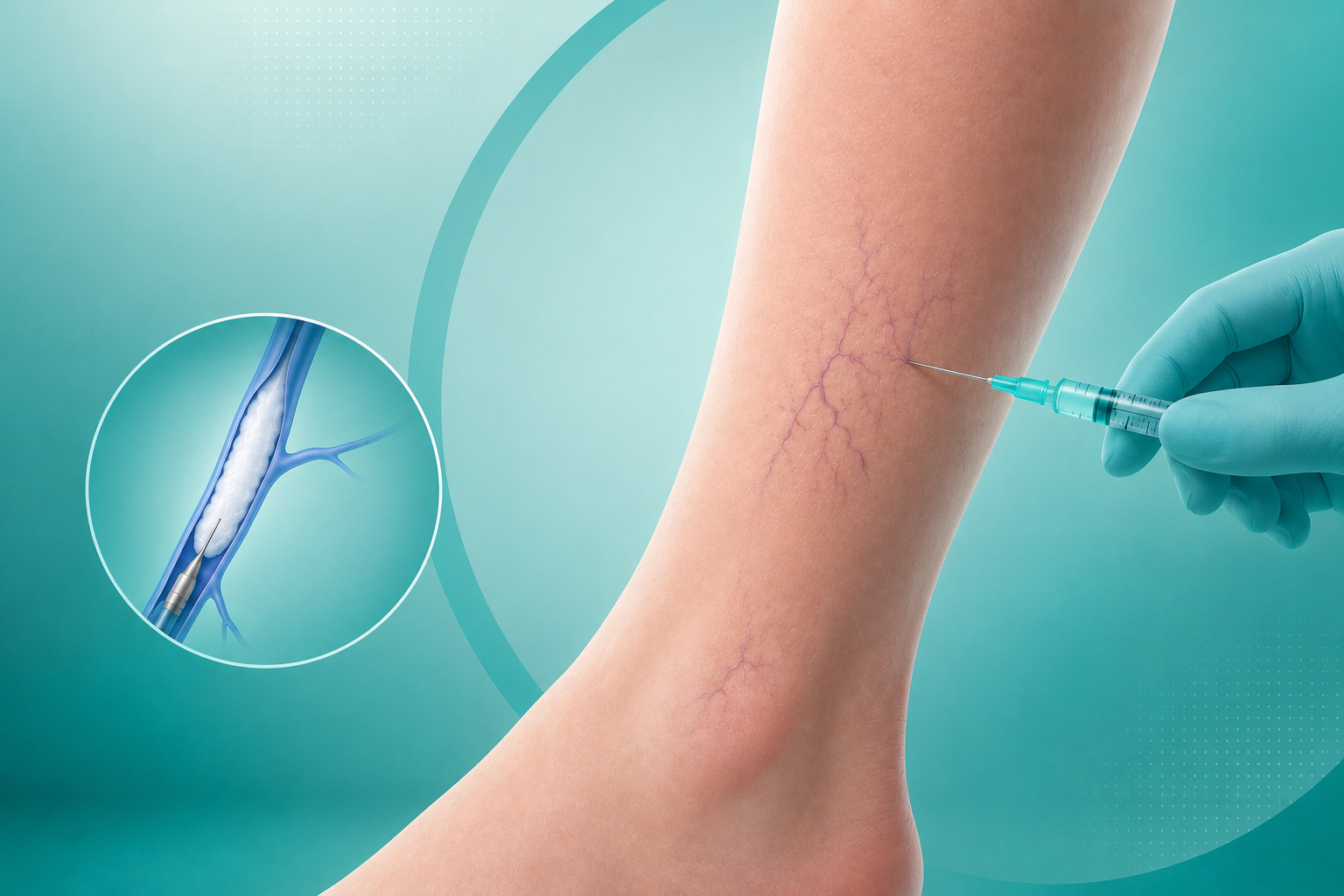
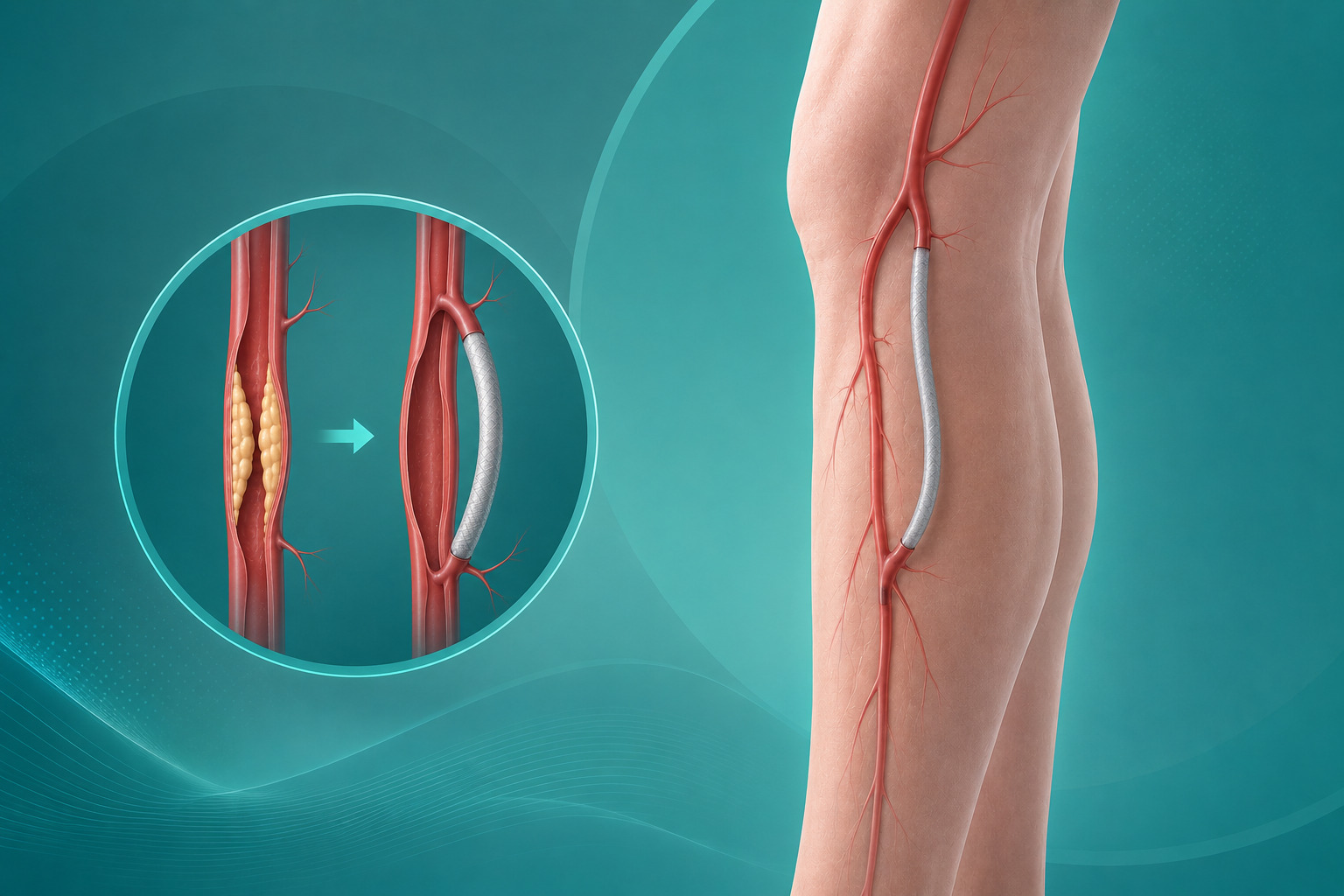
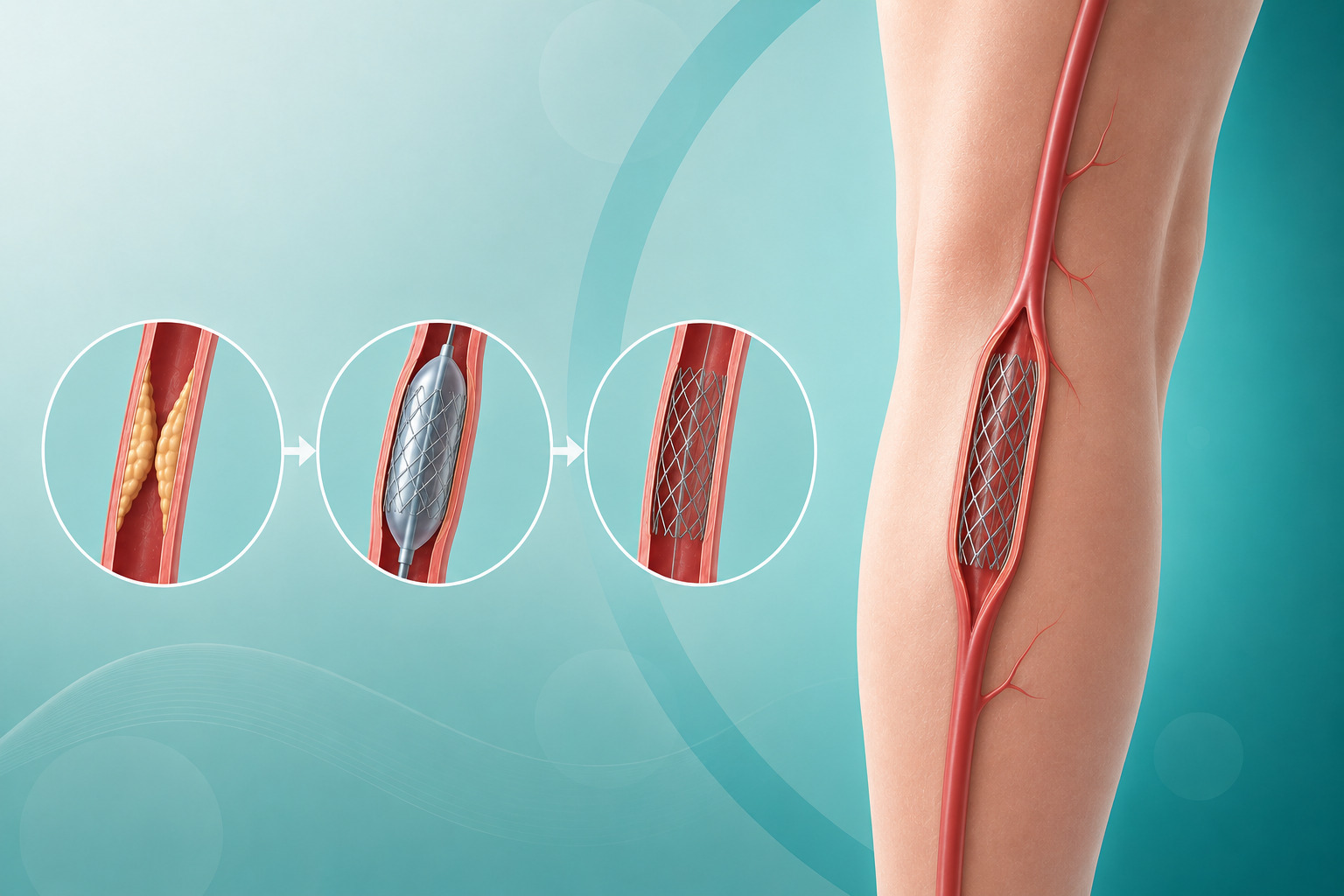
Are you planning an examination or treatment for varicose veins or other vascular conditions?
A consultation with a vascular surgeon will help determine the optimal treatment approach and answer all questions regarding available methods and the expected outcome.
When to See a Vascular Surgeon
A consultation with a vascular surgeon is recommended if symptoms appear that may indicate impaired venous or arterial circulation:
These symptoms may be associated with varicose veins, venous insufficiency, or impaired arterial blood supply and should therefore not be ignored.
What to expect during a vascular surgeon consultation
The consultation begins with a discussion of the patient’s concerns and symptoms. The doctor will ask when the swelling, pain, heaviness in the legs, cramps, changes in skin color, or enlarged veins first appeared and will also consider coexisting conditions, lifestyle, and possible risk factors.
During the examination, the vascular surgeon assesses the condition of the skin and limbs and checks for swelling, varicose veins, trophic changes, and other signs of impaired circulation.
If indicated, duplex ultrasound scanning of the blood vessels may be performed. It helps assess the condition of the veins and arteries, the direction and velocity of blood flow, venous valve function, and any potential pathological changes.
After the examination, the doctor explains the results, establishes or clarifies the diagnosis, and selects an individualized treatment or follow-up plan.
Benefits of treatment at Lviv Medical Center
At Lviv Medical Center, patients receive a comprehensive approach to the diagnosis and treatment of vascular diseases. Modern equipment, experienced physicians, and the individual selection of treatment methods help determine the optimal approach for each clinical case.

Accurate diagnosis
Ultrasound and other examination methods help assess the condition of veins and arteries, evaluate blood flow, and detect pathological changes.

Modern treatment methods
When indicated, conservative, minimally invasive, and surgical methods are used, including EVLK, sclerotherapy, phlebectomy, and other treatments for vascular diseases.

Comprehensive Approach
Consultation, necessary diagnostic testing, and treatment are available at a single medical center, with consistent monitoring of the results.

Personalized recommendations
The treatment plan is developed based on the diagnosis, stage of the condition, overall health, and the patient’s lifestyle.
Our Doctors

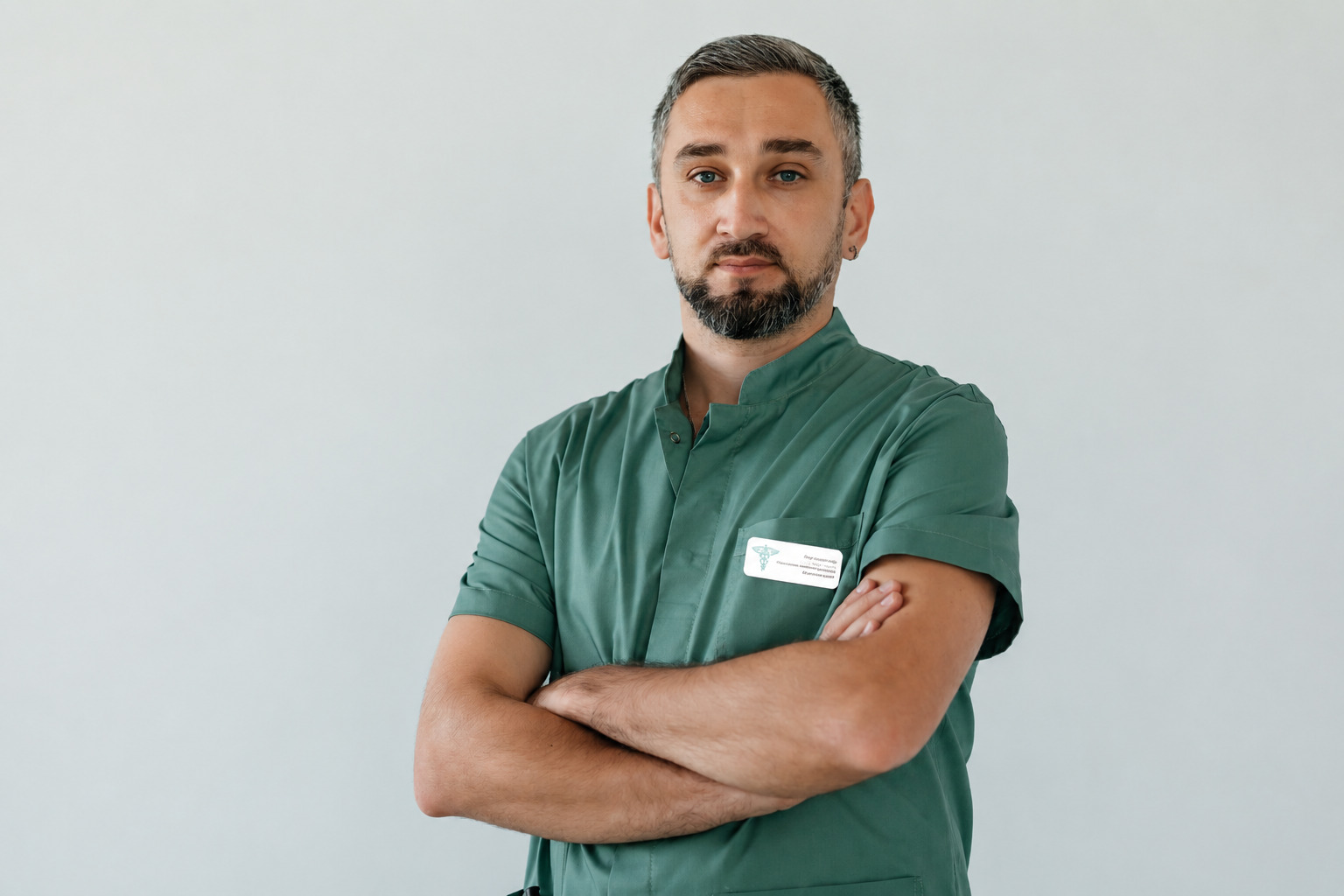
Ivan Ivanovych Matishynets
First-category surgeon, ultrasound physician
Vascular surgery
Cost of a vascular surgeon consultation
The cost of a consultation depends on the extent of the examination and whether additional procedures are required. You can ask the administrator about the current prices for a phlebologist consultation in Stryi or view them on the price list page.
Frequently asked questions
When should you see a vascular surgeon?
A consultation is recommended for leg swelling, heaviness, pain, calf cramps, enlarged veins, or spider veins. Medical advice should also be sought for changes in skin color, numbness in the limbs, or slow-healing wounds.
Is a doctor's referral required?
No, you can book a consultation with a vascular surgeon at Lviv Medical Center directly, without a referral. If you have results from previous examinations, it is advisable to bring them with you.
Can varicose veins be treated without surgery?
The treatment approach depends on the stage of the disease and the condition of the veins. In the early stages, conservative methods, compression therapy, or minimally invasive procedures may be used. The optimal method is determined after an examination and diagnostic assessment.
How Long Does a Consultation Last?
The duration of the appointment depends on the patient's symptoms and the extent of the required examination. During the consultation, the doctor performs an examination, assesses the condition of the blood vessels, and orders additional diagnostic tests if necessary.
Do I need to prepare for the appointment?
No special preparation is usually required. It is advisable to bring the results of any previous ultrasound scans, laboratory tests, CT scans, or other examinations, if available.
Consult a specialist and receive answers to all your questions about diagnosis and treatment.