




Dermatologist in Stryi — diagnosis and treatment of skin conditions
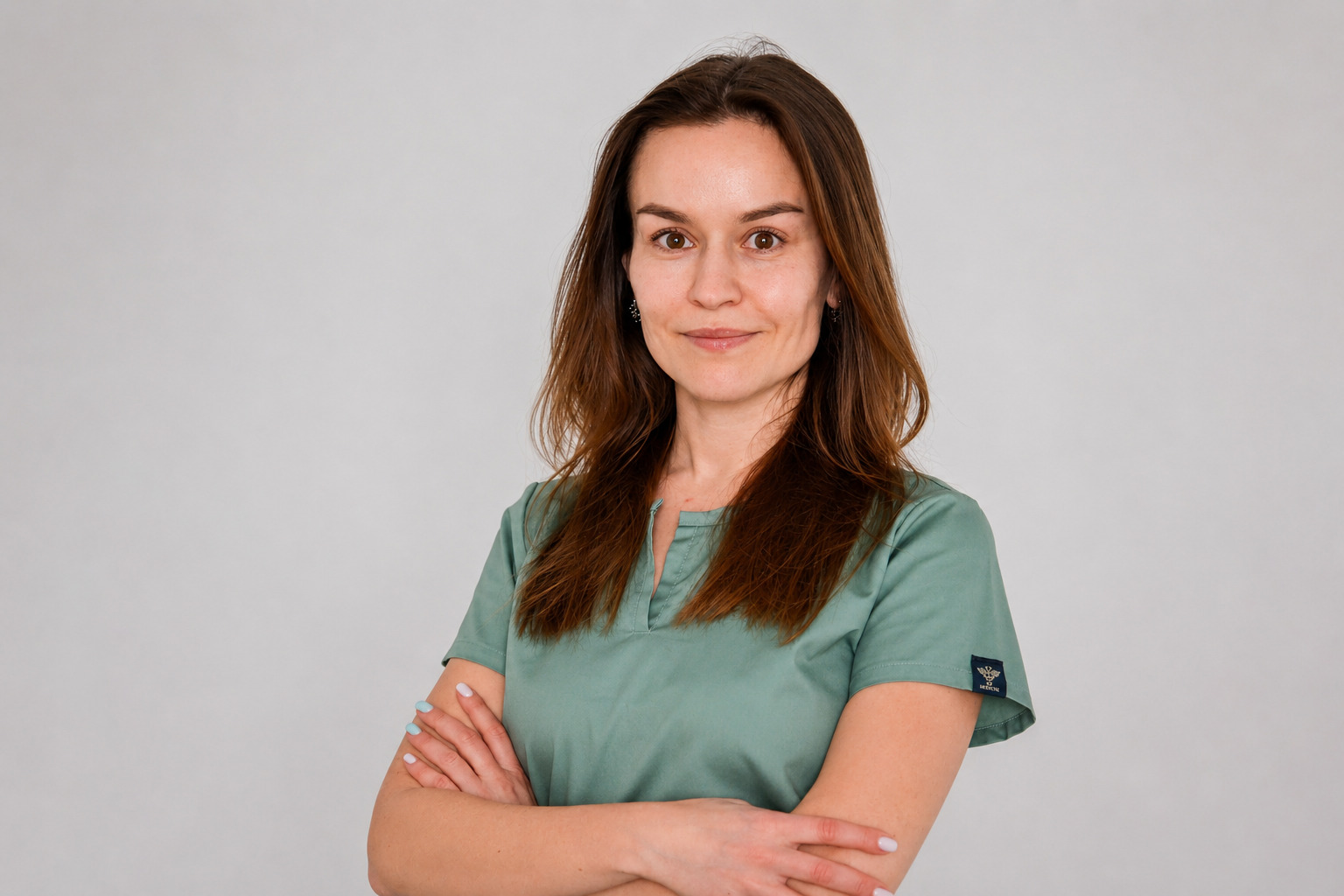
Dermatology is a branch of medicine concerned with the diagnosis, treatment, and prevention of diseases affecting the skin, hair, and nails. Dermatologists treat common problems such as acne, dermatitis, fungal infections, and allergic reactions, as well as psoriasis, autoimmune diseases, viral infections, and other skin conditions. Particular attention is given to diagnosing skin growths and diseases that may be sexually transmitted.
A timely consultation with a dermatologist helps identify the cause of skin changes, establish a diagnosis, and select an appropriate treatment strategy. At Lviv Medical Center, dermatologists use modern diagnostic methods and provide individualized recommendations based on each patient's clinical situation.
You can book a dermatologist consultation in Stryi online.
When should you see a dermatologist in Stryi?
What conditions do dermatologists treat in Stryi?
Acne
Psoriasis
Eczema (Atopic Dermatitis)
Fungal skin infections
Rosacea
Dermatitis of various causes
Hair Loss (Alopecia)
Viral skin diseases
Allergic skin reactions
Hyperpigmentation
Skin cancer
Keratoses
Book a dermatologist appointment online.
Our doctors have over 25 years of experience.
Why patients choose our dermatology clinic

Physicians’ Experience
At Lviv Medical Center, consultations are provided by dermatologists with practical experience in diagnosing and treating diseases of the skin, hair, and nails. The doctors manage a variety of clinical cases and select treatment approaches in accordance with current medical guidelines.

Modern diagnostic methods
Modern examination methods are used to clarify the diagnosis, including dermoscopy of skin lesions and a trichological assessment of the hair and scalp. This helps detect abnormal changes promptly and plan further treatment appropriately.

Individual approach
The treatment plan is developed individually for each patient, taking into account their symptoms, skin type, duration of the condition, coexisting conditions, and lifestyle. This approach makes it possible to address not only the symptoms but also the potential causes of the problem.

Comprehensive treatment
If necessary, the dermatologist combines different treatment methods, including topical treatments, systemic medications, dermatological procedures, and additional examinations. A comprehensive approach helps control the course of the condition and reduce the risk of recurrent flare-ups.

Comfortable Conditions
The consultation takes place in a calm environment, with sufficient time for an examination, medical history review, and discussion of the findings. The patient receives clear recommendations regarding treatment, skin care, and follow-up.
Cost of a consultation with a dermatologist
Frequently asked questions
How much does a dermatologist consultation cost in Lviv?
The cost of a dermatologist consultation depends on the type of appointment and the need for additional diagnostic procedures, such as dermoscopy or laboratory tests. The current price is available in the Lviv Medical Center price list or can be confirmed when booking an appointment.
What Conditions Does a Dermatologist Treat?
A dermatologist diagnoses and treats conditions affecting the skin, hair, and nails. Patients consult a dermatologist for acne, psoriasis, dermatitis, fungal skin infections, rosacea, hair loss, skin lesions, and other dermatological concerns.
How Should You Prepare for a Dermatologist Appointment?
Before the consultation, it is advisable not to apply medicated creams, ointments, or cosmetics to the area that needs to be examined. If you have previously undergone tests, examinations, or treatment, please bring the results and medical reports with you.
Do I Need a Referral to See a Dermatologist?
No, you can book an appointment with a dermatologist directly, without a referral. You should consult a doctor if you develop a rash, itching, changes in moles, or other symptoms, as well as for a preventive skin examination.
How can you distinguish a suspicious mole from a normal one?
Attention should be paid to moles that change in shape, color, or size, become asymmetrical, itch, bleed, or grow rapidly. It is impossible to determine the nature of a lesion on your own, so a dermatologist's consultation and dermoscopy are recommended if such changes occur.
What is dermoscopy, and is it painful?
Dermoscopy is a method of examining moles and other skin lesions using a specialized optical device. The procedure does not damage the skin, is painless, and helps assess the structure of a lesion in greater detail.
Does the Dermatologist See Children?
Yes, a dermatologist can provide consultations for both adults and children. Parents may consult the doctor if their child has rashes, dermatitis, viral or fungal skin infections, allergic reactions, or other dermatological conditions.
How is adult acne treated?
Treatment for adult acne is selected individually according to the form and severity of the condition. Therapy may include topical treatments, systemic medications, dermatological procedures, and recommendations for daily skin care.
When should a mole be removed?
The decision to remove a mole is made after an examination by a dermatologist and, if necessary, dermoscopy. Removal may be recommended if the lesion shows suspicious changes, is repeatedly injured, or for other medical indications.