Ексимер-лазер
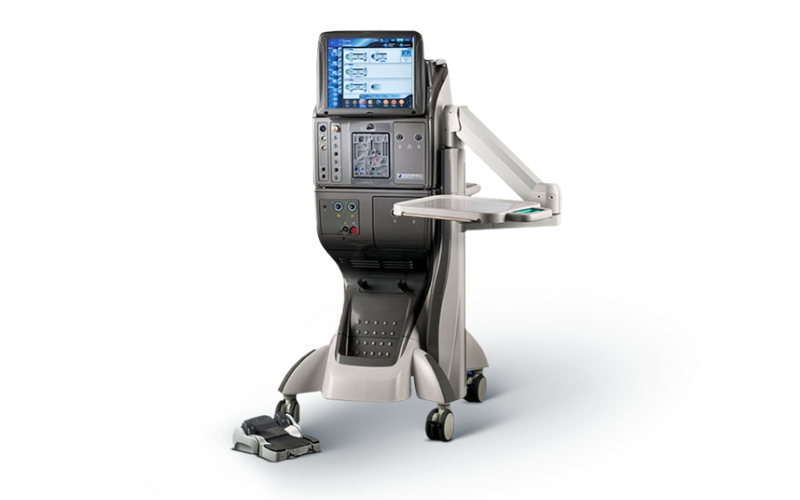
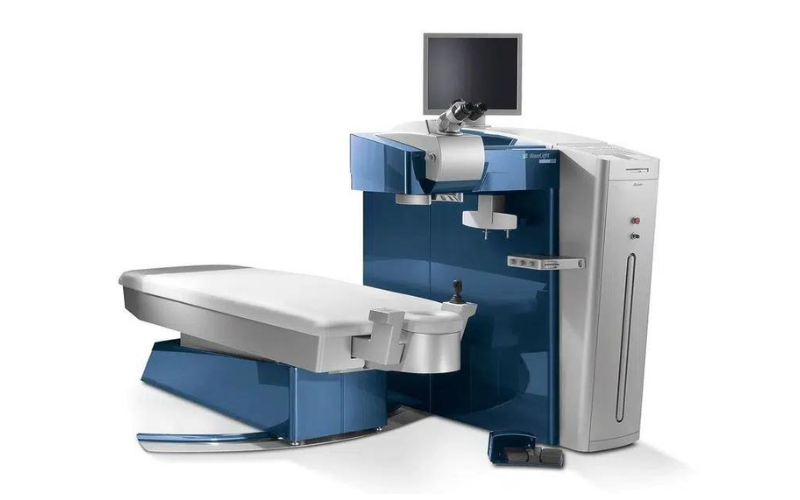
WaveLight EX500 Excimer Laser Alcon (США)


Thank you! Your message has been sent successfully.
Please wait for a reply.

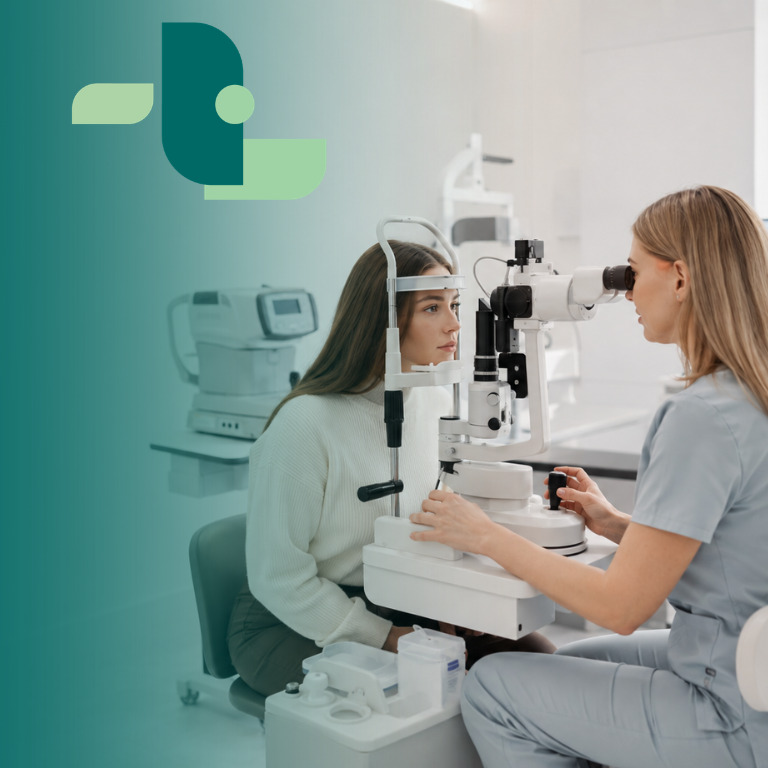
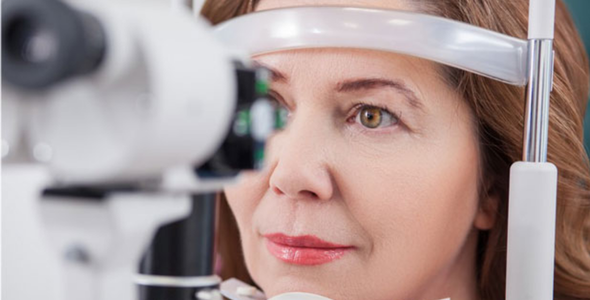
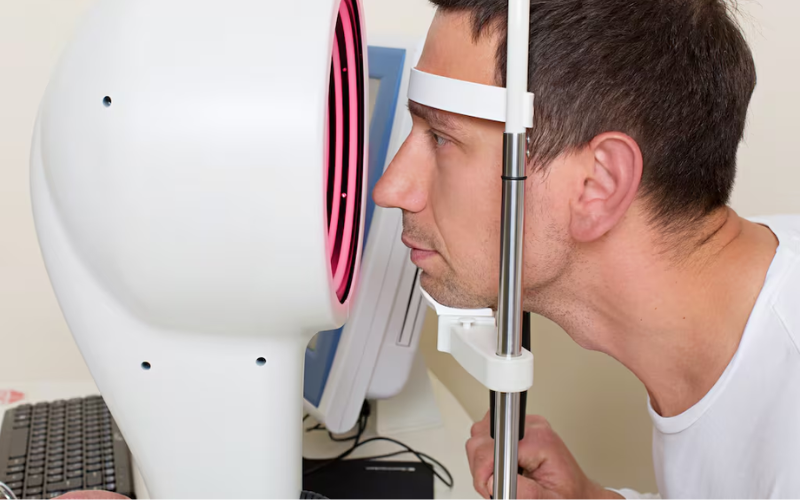
If it has become more difficult to read small print, recognize objects at a distance, or see clearly, you should consult an ophthalmologist. The cause may be myopia, hyperopia, astigmatism, or another vision disorder.
A sudden deterioration in vision, the appearance of dark spots or flashes of light, or sudden loss of vision in one eye requires prompt assessment by an ophthalmologist. These symptoms may occur with retinal disorders, vascular problems, and other acute conditions.
Eye pain, burning, irritation, redness, or swelling may indicate inflammation, infection, or injury. An ophthalmological examination helps identify the cause and begin treatment promptly.
Dryness, a gritty sensation in the eyes, or persistent tearing may be associated with tear film dysfunction, inflammation, or exposure to external factors. After diagnosis, the doctor selects an appropriate treatment strategy.
Floaters, threads, dots, or spots moving in front of the eyes may be associated with changes in the vitreous body or retina. It is especially important to undergo an examination if these symptoms appear suddenly or increase in number.
Persistent eye redness, eyelid inflammation, or swelling may indicate allergic, infectious, or other ophthalmological conditions. A medical consultation helps determine the cause and prevent possible complications.
Rapid eye fatigue, blurred vision, headache, or discomfort after reading or working at a computer may indicate visual system strain or an accommodation disorder. An ophthalmologist will assess your vision and help adjust the visual workload.
A preventive ophthalmological examination is recommended even when there are no symptoms. Regular vision checks are particularly important after the age of 40, when the risk of glaucoma, cataracts, and other age-related eye diseases increases.
Diabetes mellitus can cause changes in the retinal blood vessels and lead to diabetic retinopathy. Regular eye examinations and fundus examinations help detect complications promptly.
If close relatives have had glaucoma, cataracts, or other eye conditions, regular examinations help monitor eye health and detect possible changes promptly.
Elevated intraocular pressure is an important risk factor for glaucoma. Because the disease often has no noticeable symptoms in its early stages, it is necessary to monitor intraocular pressure and the condition of the optic nerve.
After a blow, cut, burn, foreign body entering the eye, or any other eye injury, an examination by an ophthalmologist is necessary. Timely care makes it possible to assess the severity of the injury and reduce the risk of complications and vision loss.
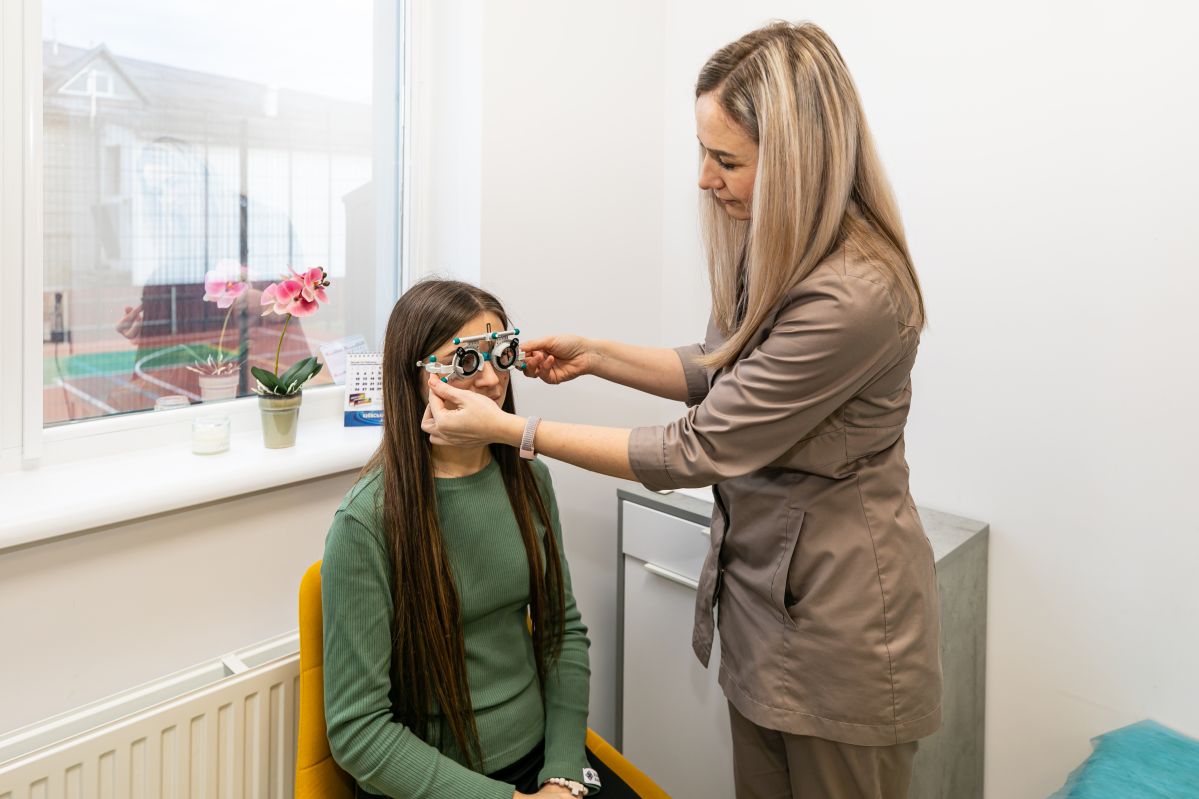
An eye examination provides a comprehensive assessment of eye health, determines visual acuity, and detects potential problems at an early stage. The examination is an important part of preparing for treatment or selecting glasses, contact lenses, or other vision correction methods.
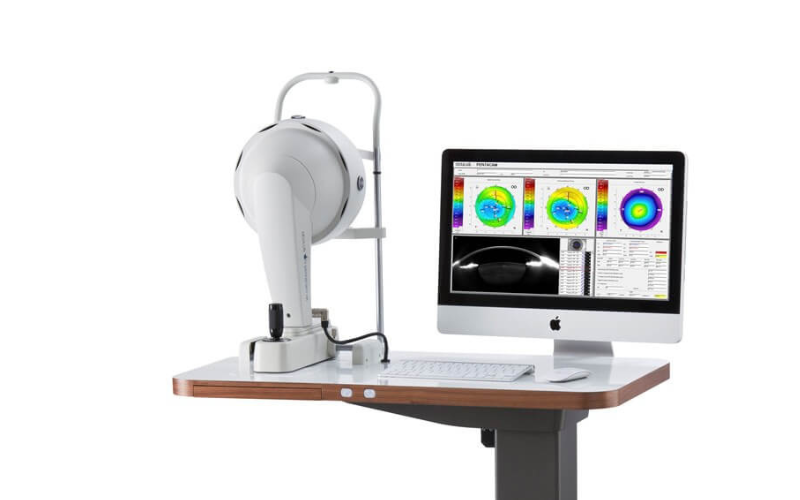
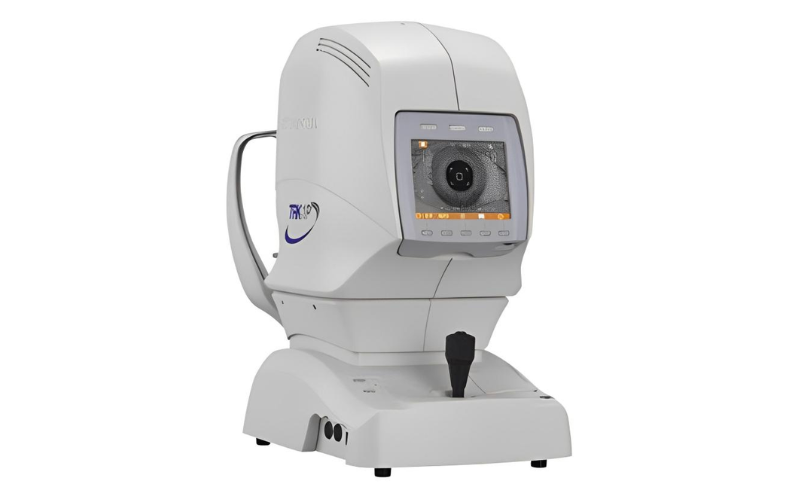
At Lviv Medical Center, eye examinations are performed using modern ophthalmic equipment and may include an assessment of refraction and the condition of the cornea, retina, and other eye structures.
Following the comprehensive diagnostic assessment, the ophthalmologist reviews the results, determines the next steps, and provides recommendations regarding treatment, vision correction, or additional examinations.
Book an appointment with an ophthalmologist in Stryi
Do not put off caring for your vision — modern ophthalmology is now close at hand.
Nearsightedness, or myopia, causes blurred distance vision while near vision remains clear. It may be corrected with glasses or contact lenses and, when indicated, laser vision correction.
Farsightedness, or hyperopia, may cause difficulty focusing on nearby objects, eye fatigue, and eye strain. An ophthalmologist determines the degree of the refractive error and selects the most appropriate method of vision correction.
In astigmatism, light rays are focused unevenly on the retina due to the shape of the cornea or lens. This may cause blurred or distorted vision. Correction options include glasses, toric contact lenses, or laser procedures.
Presbyopia is associated with an age-related decline in the eye’s ability to focus at close range. It usually becomes more difficult to read small print or perform close-up work after the age of 40. The appropriate correction is selected individually following an ophthalmological examination.
Age-related changes associated with presbyopia, cataracts, glaucoma, macular degeneration, and other eye conditions may occur over time. Regular eye examinations help detect such disorders at an early stage.
A cataract develops as the lens of the eye gradually becomes cloudy, leading to reduced visual quality. After diagnosis, the ophthalmologist determines the stage of the condition and, when indicated, recommends surgery to replace the lens with an artificial intraocular lens (IOL).
Glaucoma is characterized by progressive damage to the optic nerve and is often associated with elevated intraocular pressure. Depending on the type and stage of the condition, treatment may include eye drops, laser procedures, or surgery.
Conjunctivitis is inflammation of the conjunctiva that may be bacterial, viral, allergic, or have another cause. An ophthalmologist determines the cause of the condition and prescribes appropriate treatment.
Dry eye syndrome may cause dryness, burning, redness, a foreign-body sensation, or excessive tearing. After assessing the tear film, the doctor selects treatment and provides recommendations to reduce discomfort.
Keratoconus involves progressive thinning and deformation of the cornea, which can significantly impair visual quality. An ophthalmologist performs diagnostic testing and, depending on the stage of the condition, selects contact lens correction, corneal cross-linking, or other treatments.
Diabetic retinopathy develops as a result of damage to the retinal blood vessels caused by diabetes mellitus. Regular examination of the fundus helps detect changes promptly, while treatment may include laser procedures, medication, or other interventions.
Macular degeneration affects the central part of the retina and may gradually impair central vision. The treatment approach is determined after comprehensive diagnostic evaluation and depends on the type and stage of the disease.
Retinal detachment is an ophthalmic emergency in which the retina separates from the underlying tissues. To preserve vision, it is important to undergo diagnostic assessment and receive the necessary surgical treatment as soon as possible.
Uveitis is inflammation of the uveal tract of the eye that may be caused by infections, injuries, autoimmune conditions, or other systemic diseases. Treatment focuses on controlling inflammation, addressing its cause, and preventing complications.
An ophthalmologist treats various eye injuries, including corneal injuries, contusions, burns, and foreign bodies in the eye. The treatment approach depends on the nature of the injury and may involve medication or surgery.
Strabismus disrupts the proper alignment and coordinated movement of the eyes, which may affect binocular vision. Treatment may include corrective glasses, device-based therapy, exercises, or surgery when indicated.
Eyelid conditions include blepharitis, chalazion, entropion, ectropion, and other disorders that may cause discomfort and affect eye health. An ophthalmologist determines the cause of the problem and selects the appropriate treatment.
Blepharoplasty is performed to correct functional or aesthetic changes to the eyelids. The procedure may help address excess skin, under-eye bags, drooping eyelids, or abnormal eyelid positioning.

Andriana Yevhenivna Sakhman
Ophthalmologist
Practicing since 2026
Ophthalmology

Vasyl Kryshenyk
Ophthalmologist
Practicing since 2022
Ophthalmology

Yuliia Volodymyrivna Denkovych
Ophthalmologist
Practicing since 2019
Pediatric Ophthalmology, Ophthalmology
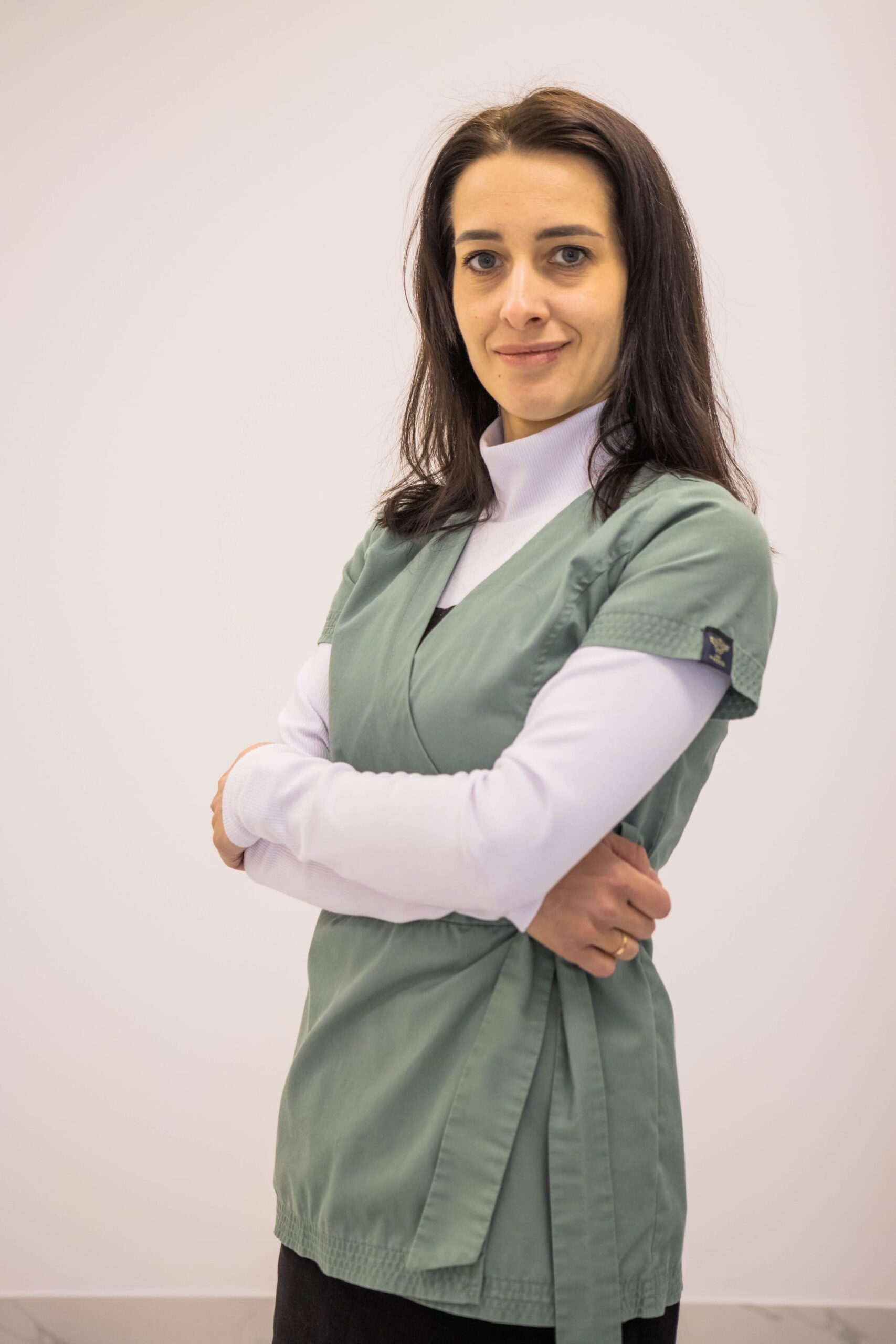
Yaryna Stepanivna Machalaba
Ophthalmologist
Practicing since 2011
Pediatric Ophthalmology, Ophthalmology
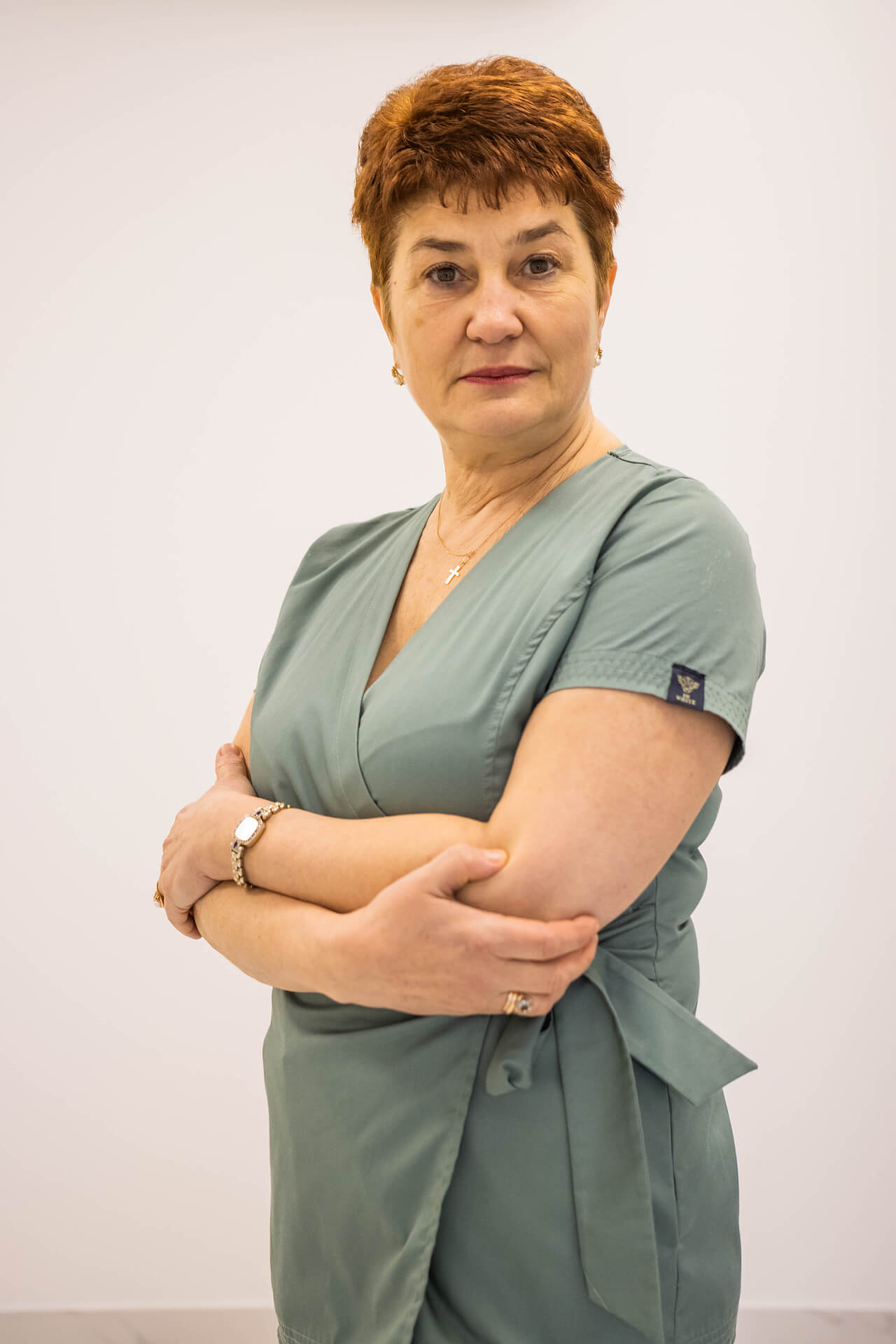
Kruta Olha Viktorivna
Ophthalmologist
Practicing Since 1986
Pediatric Ophthalmology, Ophthalmology

Mariia Hennadiivna Mertsalo
Ophthalmologist
Ophthalmology

Viktoriia Halko
Ophthalmologist, ophthalmic surgeon (cataract and vitreoretinal surgery)
Practicing since 2019
Vitreoretinal Surgery, Cataract, Ophthalmology

Iryna Yuriivna Hordova (Kirdei)
Ophthalmologist and ophthalmic surgeon (oculoplastic and refractive surgery)
Practicing since 2016
Laser vision correction, Ophthalmology, Eyelid surgery
About ophthalmology
Ophthalmology is a branch of medicine concerned with the diagnosis, prevention, and treatment of eye diseases and vision disorders. Ophthalmologists assess the visual system and diagnose cataracts, glaucoma, myopia, hyperopia, astigmatism, retinal diseases, and other ophthalmic conditions.
Ophthalmology also includes the treatment of inflammatory and infectious eye diseases, laser vision correction, cataract surgery, and other surgical procedures. Modern diagnostic and treatment methods help detect changes promptly, preserve vision, and improve patients’ quality of life.