



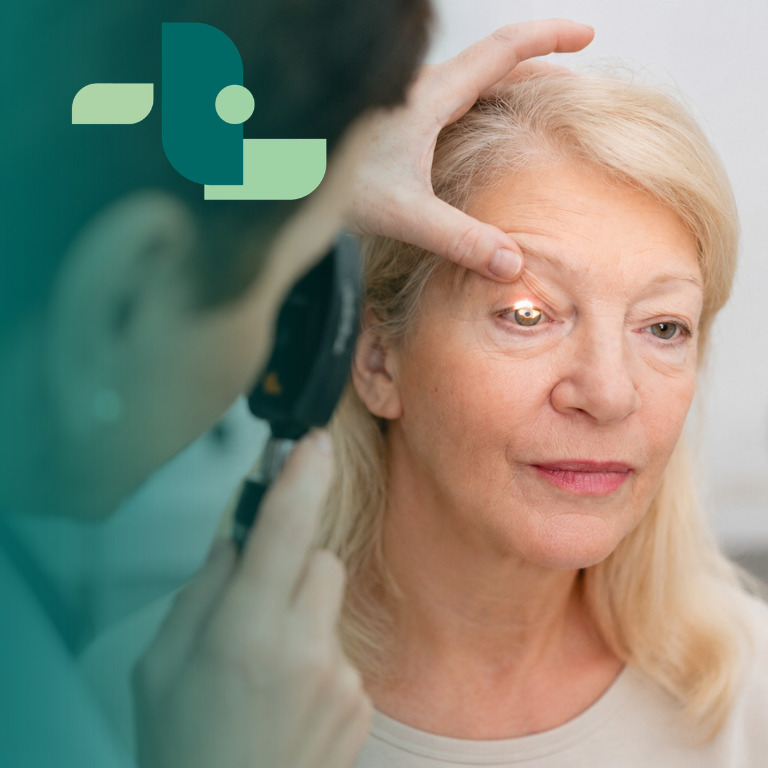
Do you suspect glaucoma, or has it been a long time since your eye pressure was checked?
Schedule an appointment with an ophthalmologist at Lviv Medical Center—early diagnosis helps preserve your vision.
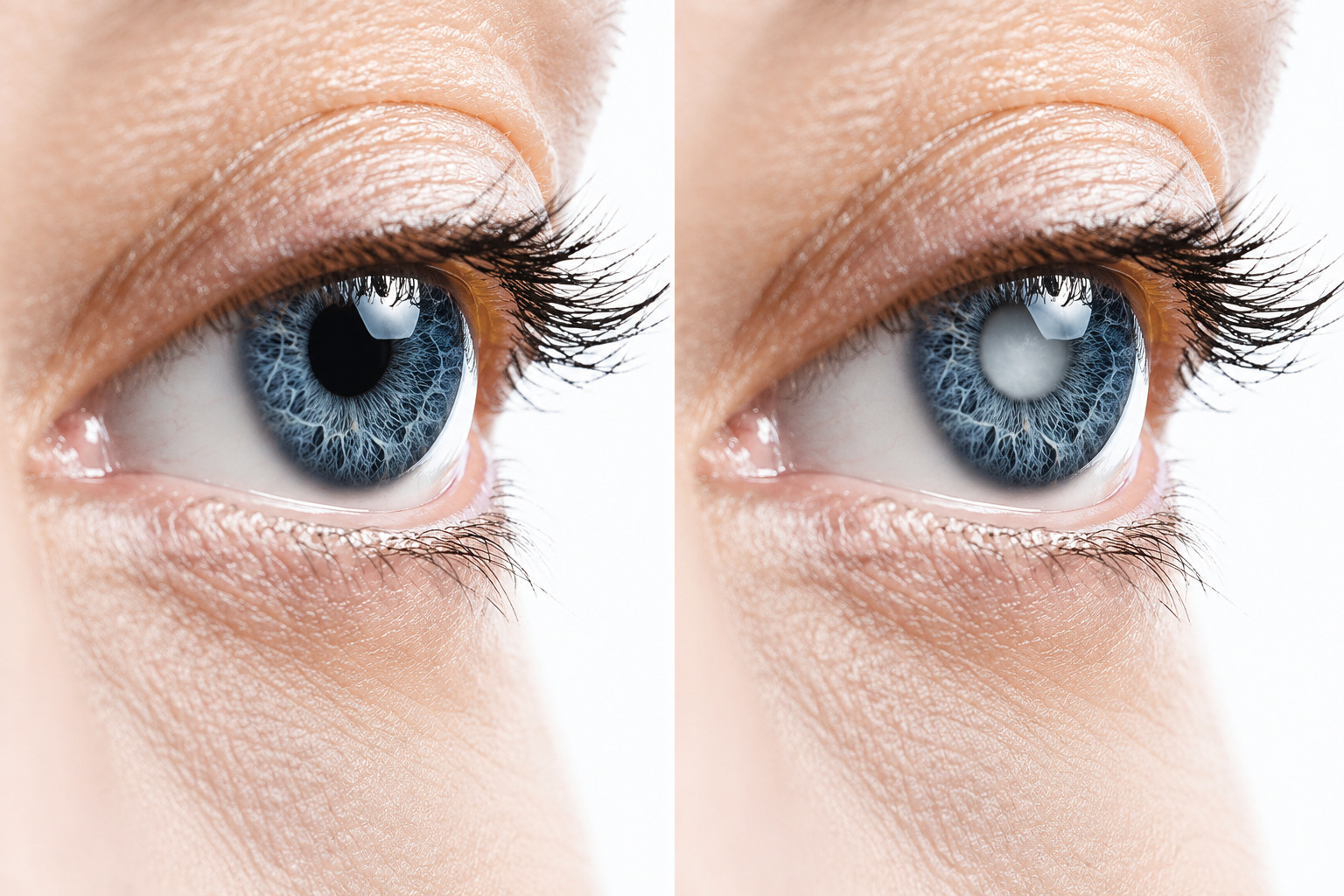
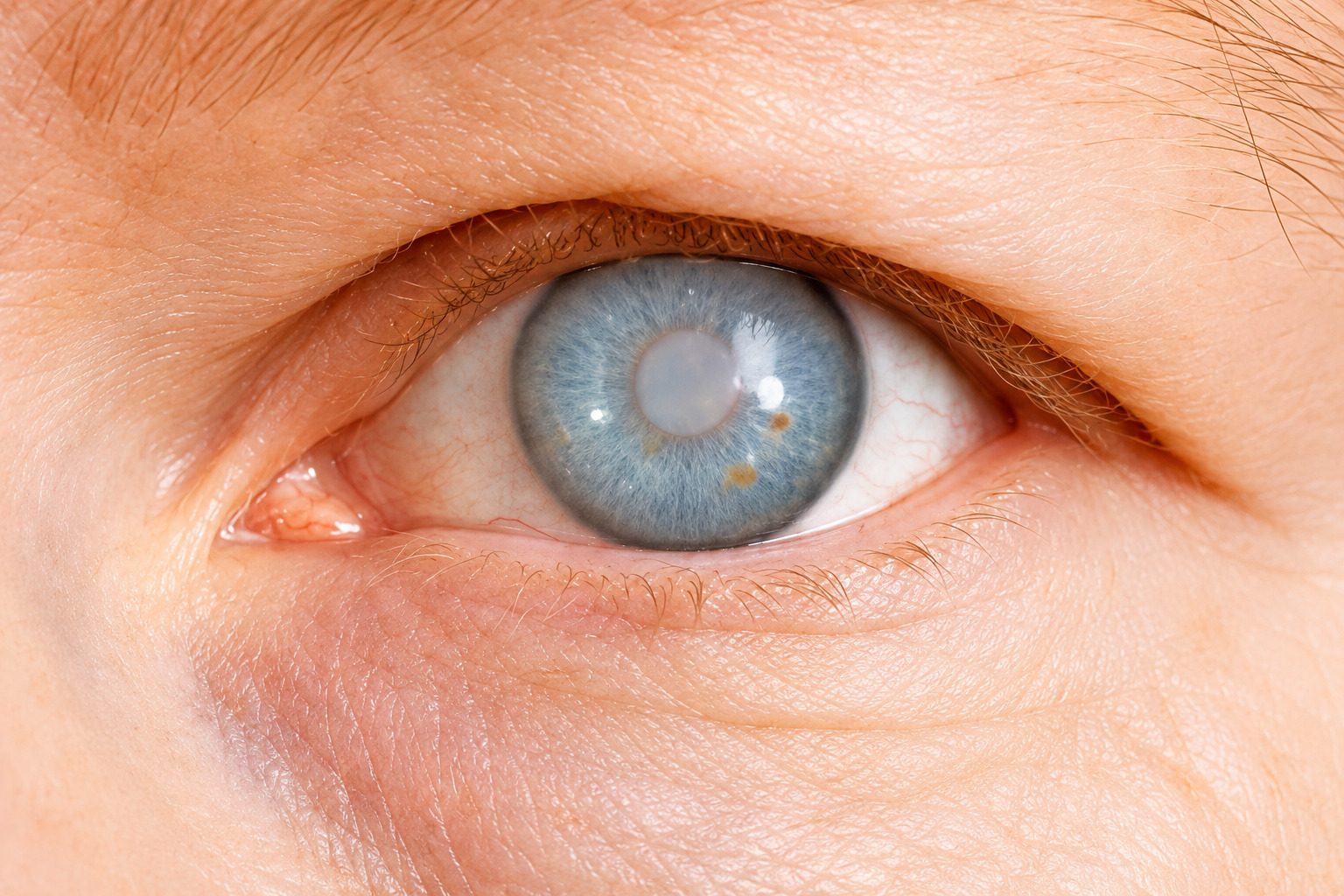
What is glaucoma?
This is a group of diseases that cause progressive damage to the optic nerve. The optic nerve transmits information from the eye to the brain, so damage to it leads to narrowing of the visual field, the appearance of “blind spots,” and, without treatment, irreversible vision loss.
The main goal of treatment is to lower intraocular pressure to a level that is safe for the individual patient. A pressure level that is normal for one person may already be dangerous for another. Therefore, glaucoma treatment is always selected individually.
What causes it?
Glaucoma can develop under the influence of various factors. One of the key mechanisms is impaired drainage of intraocular fluid. As a result, intraocular pressure may increase, placing additional strain on the optic nerve and gradually damaging it.

Elevated intraocular pressure
Elevated pressure inside the eye is one of the main risk factors for developing glaucoma. A person may not notice any changes for a long time, so regular measurement of intraocular pressure is important for the early detection of the disease.

Hereditary predisposition
If glaucoma has been diagnosed in close relatives, the risk of developing the condition is higher. People with a hereditary predisposition are advised to undergo regular ophthalmological examinations and vision testing, even if they have no symptoms.

Age over 40
The risk of developing glaucoma increases with age. After the age of 40, it is especially important to have your intraocular pressure, optic nerve, and visual field checked regularly.

Comorbidities
The risk of glaucoma may be higher in people with diabetes, vascular disorders, or severe nearsightedness, as well as after eye injuries or ophthalmic surgery. These patients may require more frequent eye monitoring.
Symptoms and manifestations

Open-angle glaucoma
This is the most common form of glaucoma. It usually progresses gradually and may cause no noticeable symptoms for a long time. Changes are often detected during a routine eye examination, when the physician measures intraocular pressure, assesses the optic nerve, and performs OCT or perimetry if necessary.

Angle-Closure Glaucoma
Symptoms may include sudden severe eye pain, headache, blurred vision, halos around lights, and nausea. This condition requires an urgent examination by an ophthalmologist and emergency medical care.

Normal-Tension Glaucoma
With this type of glaucoma, optic nerve damage may occur even when intraocular pressure remains within the normal range. A comprehensive examination is essential for diagnosis, including optical coherence tomography (OCT) of the optic nerve, perimetry, and regular monitoring of changes over time.
Who needs glaucoma treatment?
Glaucoma treatment is necessary for patients with a confirmed diagnosis, as well as for people at increased risk of disease progression. You should also consult an ophthalmologist if preventive screening reveals elevated intraocular pressure, changes in the optic nerve, or visual field defects.
An ophthalmologist consultation is recommended if you have:
Diagnostic testing before glaucoma treatment in Sambir
Intraocular pressure measurement
Fundus examination
Optic nerve OCT
Perimetry
Gonioscopy
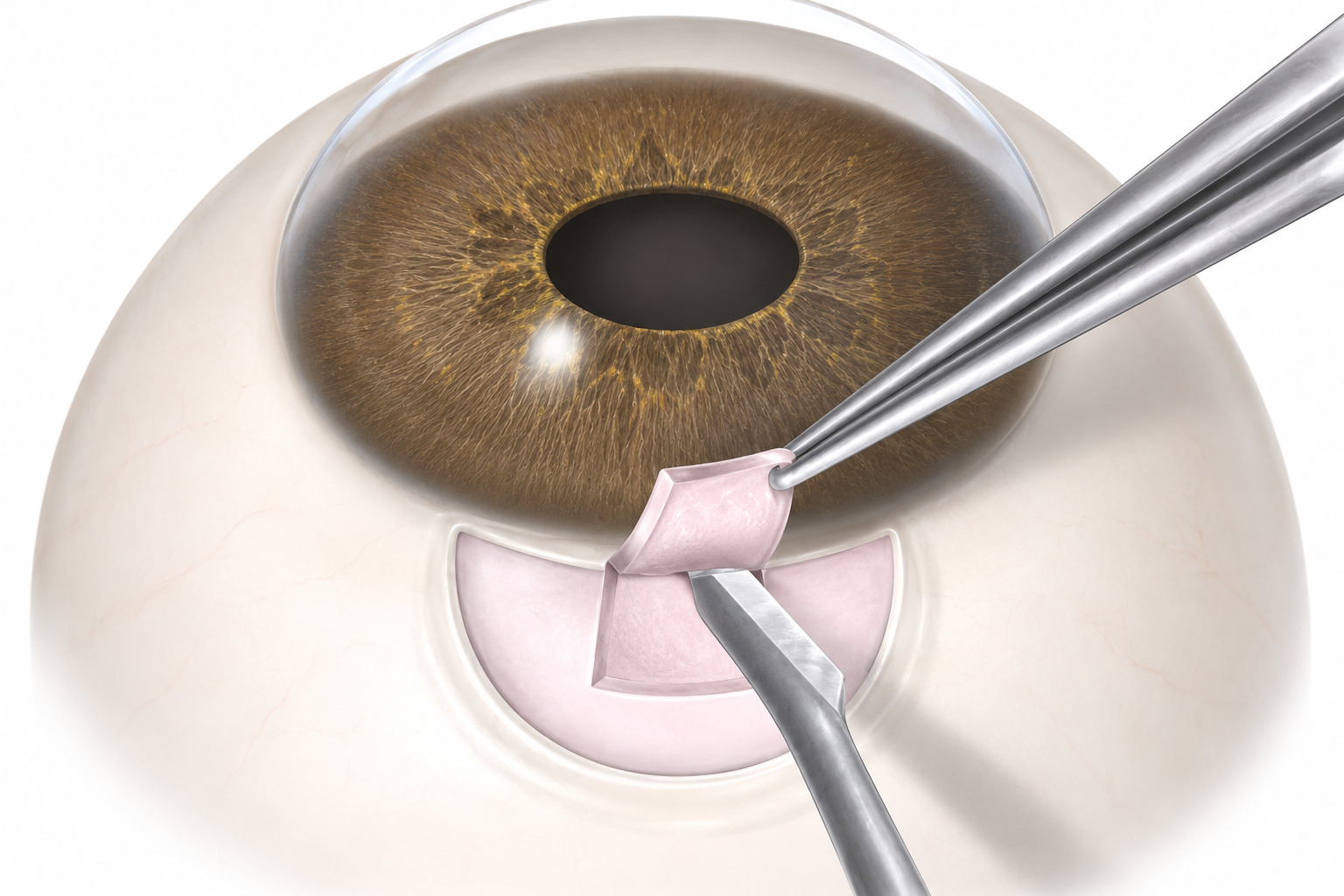
Glaucoma treatment methods at LMC in Sambir
Medication treatment
Prostaglandin analogues
Beta-blockers
Carbonic anhydrase inhibitors
Combination medications
Laser treatment
Selective laser trabeculoplasty
Laser iridotomy
When might laser treatment be needed?
Surgical treatment
Endotrabeculectomy
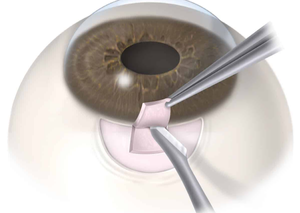
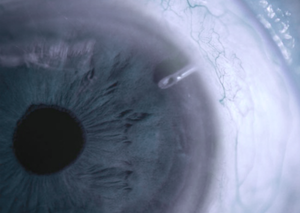
EX-PRESS shunt implantation
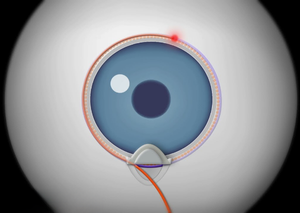
Sinus Trabeculectomy
Do not delay a consultation if you have already been diagnosed with glaucoma or elevated intraocular pressure
An ophthalmologist can help select the appropriate treatment method—eye drops, laser treatment, or surgery—depending on your condition.
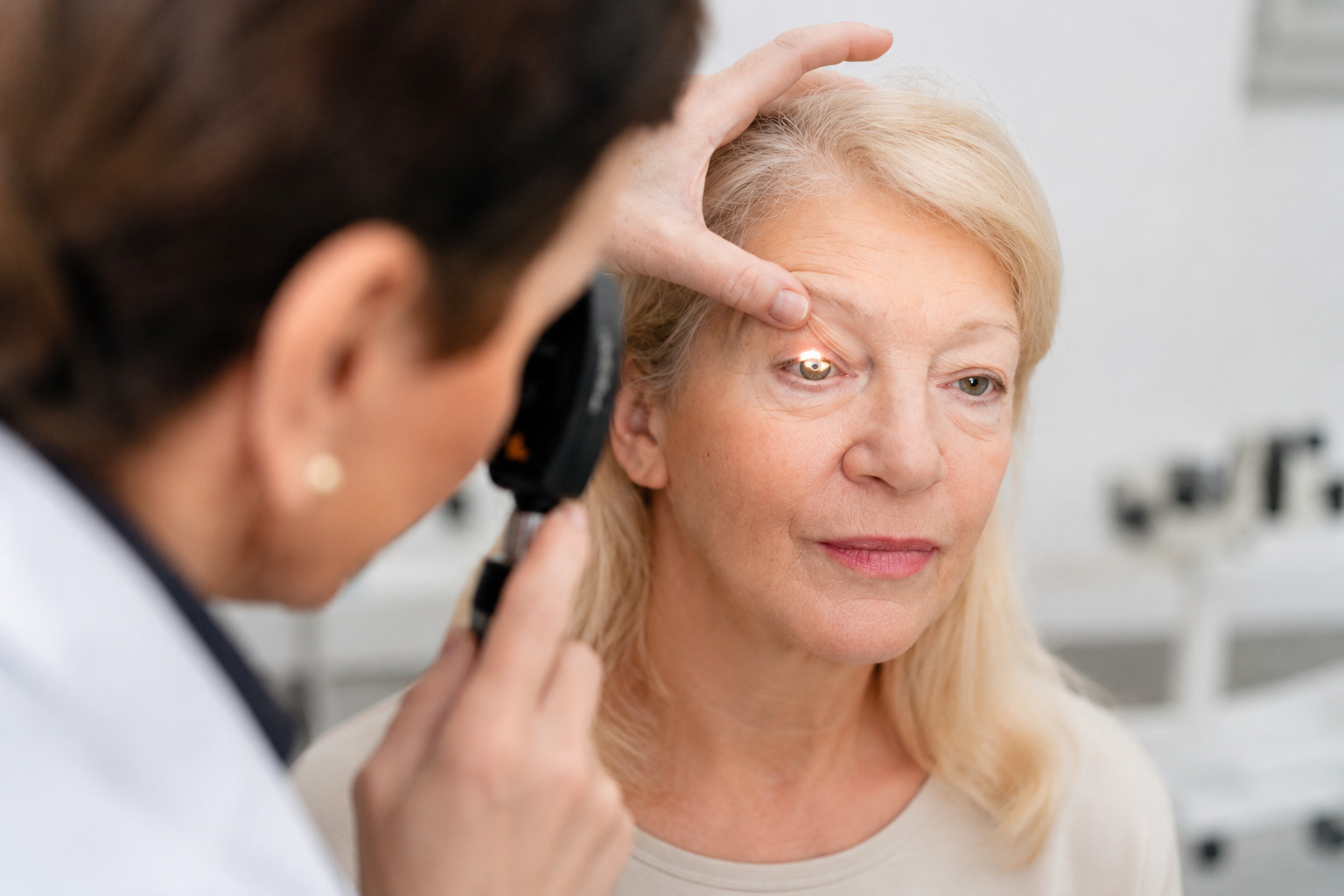
How is glaucoma treated in Sambir?
- Ophthalmologist consultation
- Intraocular pressure measurement
- Optic nerve examination
- OCT, perimetry, and other tests as indicated
- Selection of the treatment method
- Monitoring treatment effectiveness
- Regular follow-up monitoring
Stages of glaucoma
Early stage
Advanced stage
Late stage
Terminal stage
Cost of glaucoma treatment
The cost of treatment depends on the form of the disease, the extent of diagnostic testing, and the selected treatment method.
Benefits of treatment at Sambir Medical Center
At Lviv Medical Center, glaucoma treatment is provided by ophthalmologists experienced in diagnosing and managing patients with chronic eye conditions. The approach includes a comprehensive assessment of the optic nerve, monitoring of intraocular pressure, evaluation of the risk of glaucoma progression, and selection of an appropriate treatment strategy.

Comprehensive diagnosis of eye diseases

personalized treatment selection
medical, laser, and surgical treatment

ongoing patient monitoring

experienced ophthalmologists

the ability to monitor coexisting eye conditions
Frequently asked questions
Can this disease be cured completely?
Glaucoma is a chronic disease and cannot be completely cured. However, properly selected glaucoma treatment helps control intraocular pressure, slow the progression of the disease, and preserve visual function.
Will vision be restored after therapy?
Visual functions lost due to damage to the optic nerve usually cannot be restored. It is therefore important to detect glaucoma promptly and begin treatment as early as possible to prevent further deterioration of vision.
What are the first symptoms of glaucoma?
In its early stages, glaucoma often develops without noticeable symptoms. In some cases, blurred vision, gradual narrowing of the visual field, eye discomfort, or halos around light sources may occur.
How often should intraocular pressure be checked?
After the age of 40, regular routine examinations by an ophthalmologist and monitoring of intraocular pressure are recommended. If risk factors are present or glaucoma has already been diagnosed, the doctor will determine the follow-up examination schedule individually.
Can surgery be avoided?
Yes, in many cases, glaucoma treatment begins with medication or laser therapy. Surgery is recommended when these methods do not adequately control intraocular pressure or when the condition continues to progress.
Is the Surgery Painful?
Glaucoma surgery is performed under anesthesia, so the patient usually does not feel pain during the procedure. Temporary discomfort may occur during the postoperative period; the physician will explain what to expect before the procedure.
How much does glaucoma surgery cost in Lviv?
The cost of glaucoma surgery depends on the selected surgical method, the complexity of the clinical case, the need for a drainage system, and the extent of preoperative diagnostic testing. Current prices are listed in the clinic's price list.
Which specialist treats this condition?
Glaucoma is diagnosed and treated by an ophthalmologist. If surgical treatment is indicated, the patient will have a consultation with an ophthalmic surgeon, who will determine the most appropriate surgical method.
Do I need to use eye drops after surgery?
The need to use eye drops after surgery is determined individually. Some patients are prescribed medication for a specific period, while in certain cases it must be used for longer to control intraocular pressure.
What happens if you decline treatment?
Without treatment, glaucoma may continue to progress and cause irreversible damage to the optic nerve and loss of vision. Timely diagnosis, intraocular pressure control, and regular follow-up with an ophthalmologist are therefore essential.
Glaucoma can develop without symptoms for a long time, but its effects are irreversible
Schedule a diagnostic examination and consultation with an ophthalmologist at Lviv Medical Center to assess risks promptly and select the appropriate treatment.
- Ophthalmology
- Pediatric Ophthalmology
- Vitreoretinal surgery
- Removal of a Subluxated Crystalline Lens
- Closed vitrectomy
- Optical Coherence Tomography (OCT)
- Vision diagnostics
- Examination before laser vision correction
- Pachymetry
- Tonometry
- Retinal coagulation
- Keratoconus Treatment
- Laser vision correction
- Cataract treatment
- Artificial Lens (IOL) Implantation
- Phakic lens implantation
- Pterygium Treatment