Select a medical center
56 Dovha St. Lviv +38 (073) 305 9000
Lviv 25 Gen. Chuprynky St. +38 (096) 445 7855
Ivano-Frankivsk 28 V. Stusa St. +38 (067) 778 8899
23 V. Chornovola Ave. Stryi +38 (063) 021 0103
7 Shevchenka Street Sambir +38 (093) 611 90 00
7 Shevchenka Street, Sambir
+38 (093) 611 90 00
Medical center contacts
56 Dovha St., Lviv
+38 (073) 305 9000
Lviv, 25 Gen. Chuprynky St.
+38 (096) 445 7855
Ivano-Frankivsk, 28 V. Stusa St.
+38 (067) 778 8899
23 V. Chornovola Ave., Stryi
+38 (063) 021 0103
7 Shevchenka Street, Sambir
+38 (093) 611 90 00
Book now

Eye examination and vision diagnostics in Sambir

Basic ophthalmologist examination

A basic ophthalmological examination helps assess eye health, check the quality of vision, and detect potential disorders before noticeable symptoms appear. Regular vision screening is important even when there are no complaints, as some changes may remain unnoticed for a long time.

After the examination, the doctor determines whether additional tests are needed and, if necessary, recommends treatment or preventive measures. Regular vision checks help monitor eye health and respond promptly to any changes.

A preventive ophthalmological examination is recommended for:

  • adults – once a year
  • people over the age of 40
  • patients with diabetes
  • people who spend a lot of time working at a computer
  • drivers
  • children

During the consultation, the ophthalmologist performs a comprehensive eye examination and assesses the condition of the eyes:

Visual acuity assessment

assessment of how clearly the patient can see objects at different distances.

Refraction Assessment

an assessment of the eye's refractive power that helps detect nearsightedness, farsightedness, or astigmatism.

Examination of the anterior segment of the eye (biomicroscopy)

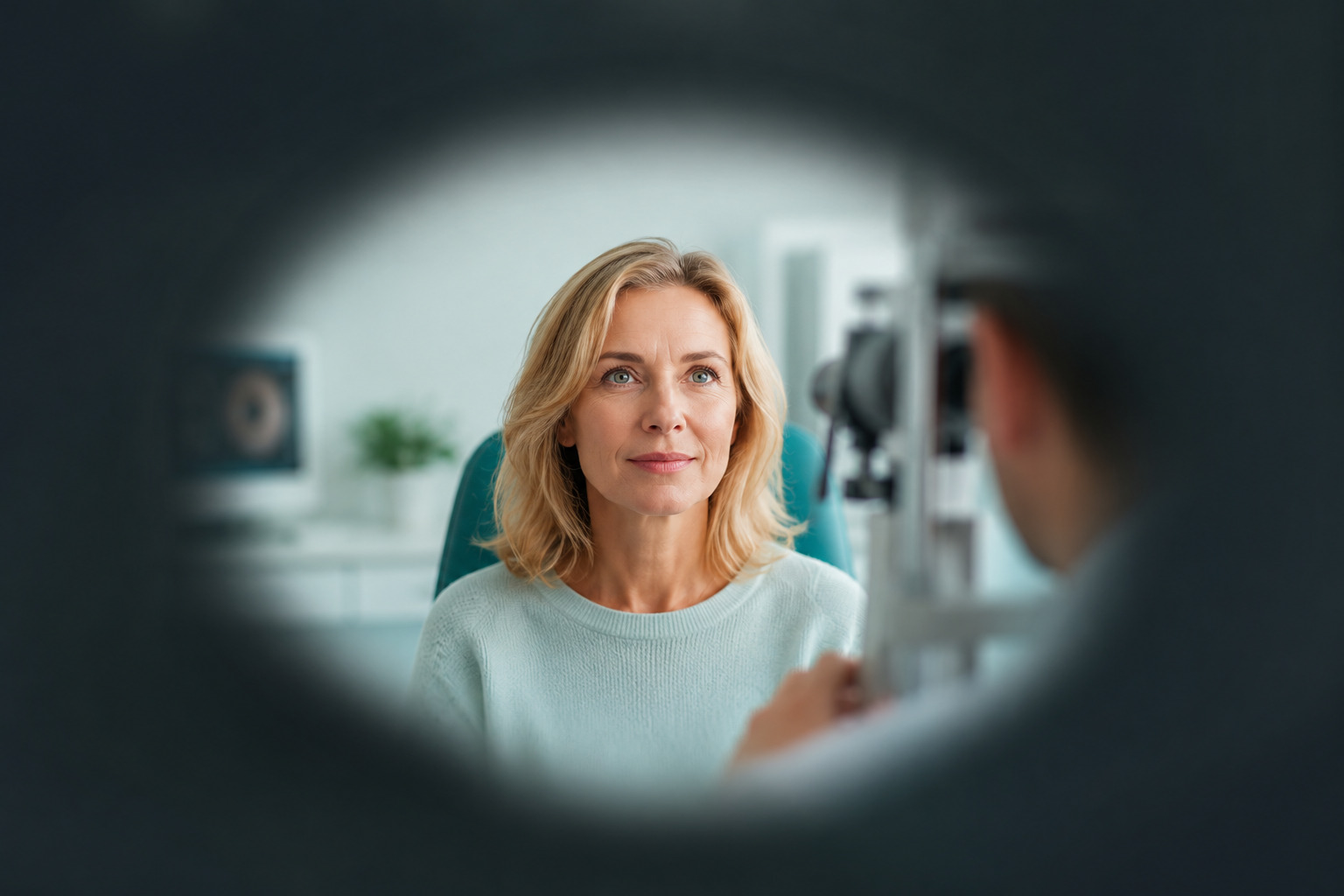
allows the condition of the cornea, conjunctiva, iris, and lens to be assessed using a slit lamp.

Fundus examination (ophthalmoscopy)

The doctor examines the retina, optic disc, and blood vessels of the eye, which helps identify pathological changes and signs of eye disease.

Measurement of intraocular pressure (tonometry)

helps determine intraocular pressure and promptly detect elevated pressure, particularly when there is a risk of glaucoma.

Assessment of symptoms and medical history

The ophthalmologist will ask about symptoms, lifestyle, visual demands, coexisting conditions, and previous treatment.

When should you have an eye examination?

Regular eye examinations are necessary not only when symptoms have already appeared. Some ophthalmic diseases may develop gradually and remain without noticeable symptoms for a long time. This is why preventive examinations help detect changes promptly and assess the condition of the visual system.

You should have an eye examination if you experience:

reduced visual acuity
blurred vision at near or far distances
Rapid eye fatigue
Headache
dryness, discomfort, or burning in the eyes
eye redness
Increased sensitivity to light
double vision
the appearance of floaters, spots, or dark areas in the field of vision
difficulty reading or working at a computer for extended periods

Timely vision assessment makes it possible to detect abnormalities at an early stage, identify their cause, and, if necessary, begin treatment before complications develop.

Vision diagnostic methods in Sambir

Autorefraction

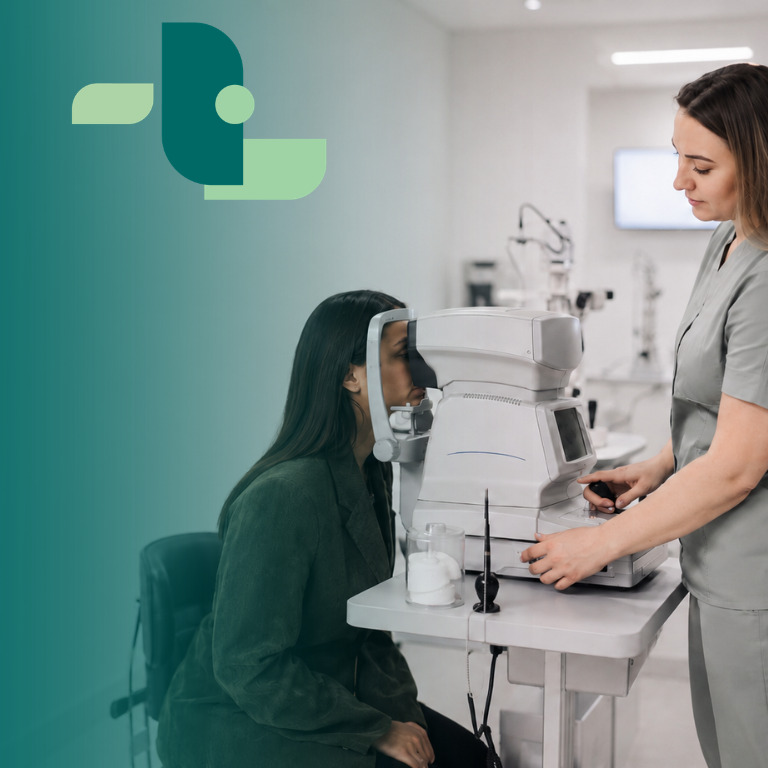
Autokeratorefractometry is a computerized vision diagnostic method that determines the refractive power of the eye while assessing corneal parameters. The examination helps identify refractive characteristics and obtain accurate data for further ophthalmic evaluation.

Basic ophthalmologist examination

A basic examination and consultation with an adult or pediatric ophthalmologist includes testing visual acuity and corrected visual acuity, determining refraction, examining the fundus, performing biomicroscopy of the anterior segment and fundus, and measuring intraocular pressure.

Biomicroscopy

Biomicroscopy is a non-contact method of examining the structures of the eye using a slit lamp. The examination enables a detailed assessment of the anterior segment of the eye and detection of possible pathological changes.

Visual Acuity Testing

Visual acuity testing is one of the main methods used to assess visual acuity. During the examination, the patient identifies special symbols or letters from a set distance, allowing the quality of vision to be evaluated and the need for glasses or contact lenses to be determined.

Gonioscopy

Gonioscopy is a diagnostic examination in which an ophthalmologist examines the anterior chamber angle of the eye. This area is located between the cornea and the iris and plays an important role in the drainage of intraocular fluid.

Corneal Topography

Corneal topography is a modern, non-invasive method of examining the cornea that creates a detailed topographic map of its anterior and posterior surfaces. The examination makes it possible to assess the shape, curvature, and structural features of the cornea.

Examination before laser vision correction

During the examination before laser vision correction, the doctor performs a comprehensive assessment of the eyes: examining the cornea, determining its thickness and curvature, checking refraction and retinal health, measuring intraocular pressure, and conducting other necessary tests. The results help determine whether laser correction can be performed and select the most appropriate method.

Optical Coherence Tomography (OCT)

Optical coherence tomography is a modern, non-invasive method of examining eye structures without contact with the eye's surface. The tomograph uses light waves to obtain cross-sectional images of the retina, allowing the physician to assess its individual layers in detail and detect structural changes.

Ophthalmometry and ultrasound (US) biometry

Ocular biometry is an instrument-based examination used to determine the main anatomical parameters of the eye. During the examination, measurements include corneal thickness, anterior chamber depth, lens thickness, and the anteroposterior length of the eye.

Pachymetry

Pachymetry is a test used to accurately measure corneal thickness. The examination is non-contact and does not require prior pupil dilation.

Comprehensive Ophthalmological Examination

An extended ophthalmic examination includes autorefractometry, visual acuity testing, tonometry, corneal topography, pachymetry, biomicroscopy of the anterior segment and dilated fundus examination, optical coherence tomography of the retina and optic nerve, and fundus photography. After the comprehensive diagnostic assessment, the ophthalmologist provides a consultation, establishes a preliminary diagnosis, and gives recommendations.

Static computerized perimetry

Static automated perimetry assesses the sensitivity of different areas of the visual field using light stimuli of varying intensity. The pattern of detected changes can help diagnose and determine the stage of various ophthalmological conditions.

Tonometry

Tonometry is the measurement of intraocular pressure, which is an important indicator when diagnosing eye diseases. Monitoring intraocular pressure is particularly important for the timely detection of elevated pressure and assessment of the risk of developing glaucoma.

Eye Ultrasound Examination

Ocular ultrasound is a diagnostic method that uses high-frequency sound waves to produce images of the internal structures of the eye. The examination helps the doctor assess the anatomical condition of the eyeball and its structures.

Fundus photography

A specialized fundus camera is used to create a detailed, high-quality image of the back of the eye. Photographic documentation makes it possible to record identified changes and objectively compare the condition of the fundus during follow-up examinations.

You can book an examination online or by phone

An administrator will help you choose a convenient time for an eye examination in Lviv

What conditions can be detected during a comprehensive eye examination in Sambir?

Myopia (nearsightedness)

Myopia (nearsightedness)
Myopia is characterized by clear near vision, while distant objects appear unclear or blurred. Myopia may be accompanied by eye fatigue, the need to squint, and headaches. During an eye examination, the ophthalmologist determines the degree of myopia and recommends an appropriate correction method.

Hyperopia (farsightedness)

Hyperopia (farsightedness)

With hyperopia, it is more difficult to see objects clearly at close range, especially when reading or working at a computer for extended periods. Eye strain, fatigue, discomfort, or headaches may occur. Diagnostic evaluation determines the degree of farsightedness and helps select the appropriate glasses or contact lenses.

Astigmatism

Astigmatism
With astigmatism, light rays are focused unevenly due to the shape of the cornea or lens, so images may appear distorted or blurred. Impaired visual quality may occur both at close range and at a distance. A comprehensive examination helps determine the degree of astigmatism and select the necessary correction.

Cataract

Cataract
A cataract develops due to clouding of the lens and gradually impairs the quality of vision. Typical symptoms may include blurred vision, reduced contrast sensitivity, poorer vision in low-light conditions, and difficulty reading. Diagnostic testing helps assess the lens, determine the stage of the cataract, and select the next treatment strategy.
Go to service

Glaucoma

Glaucoma
Glaucoma causes damage to the optic nerve, which is often associated with increased intraocular pressure and may lead to gradual vision loss. There may be no noticeable symptoms in the early stages. This is why regular eye examinations and intraocular pressure monitoring are important for the early detection of glaucoma.

Why an ophthalmologist consultation is important

An ophthalmologist consultation is the final stage of vision assessment. The doctor analyzes the examination results, evaluates the condition of the eyes, establishes a diagnosis, and determines the next steps in treatment.

During the consultation, the ophthalmologist provides recommendations regarding:

  • treatment of identified eye conditions
  • prevention of vision deterioration
  • selection of glasses or contact lenses
  • the need for additional examinations
  • the recommended frequency of follow-up and routine examinations

An individualized approach takes into account the diagnostic results and specific features of the patient’s vision, allowing the doctor to select the optimal plan for further monitoring or treatment.

Our ophthalmologists in Sambir

Vision assessment at Lviv Medical Center is performed by experienced ophthalmologists who follow current clinical protocols and use high-precision equipment for a comprehensive examination of the visual system.

The team includes specialists in various fields of ophthalmology: pediatric ophthalmology, cataract and vitreoretinal surgery, laser vision correction, oculoplastic surgery, and the treatment of retinal conditions. This comprehensive approach allows for a thorough evaluation of the eyes and selection of the optimal treatment strategy for each patient.

The doctors have extensive practical experience in preventive examinations and basic vision assessment, as well as in performing complex microsurgical procedures. Examinations are available for both adults and children, enabling timely detection of disorders and ongoing vision monitoring.

Modern treatment methods are used, including minimally invasive surgery, laser technologies, and individualized selection of vision correction methods. This makes it possible to choose the most appropriate treatment based on the diagnostic results and the specific features of each clinical case.

You can choose a doctor and book a convenient appointment time

to make your consultation with the ophthalmologist as comfortable as possible.

Book an appointment

Markiian Novytskyi

Markiian Novytskyi

Ophthalmologist. PhD in Medicine, specializing in ophthalmology

Practicing since 2009

Cataract, Ophthalmology

Iryna Yuriivna Hordova (Kirdei)

Iryna Yuriivna Hordova (Kirdei)

Ophthalmologist and ophthalmic surgeon (oculoplastic and refractive surgery)

Practicing since 2016

Laser vision correction, Ophthalmology, Eyelid surgery

Previous page
Next page

Cost of an eye examination

Incomplete Ophthalmological Examination
400 грн
Basic eye examination and consultation with an ophthalmologist + eyeglass prescription
1150 грн
Fundus Photography (1 Eye/ 2 Eyes)
350/500 грн
Corneal topography (1 eye/ 2 eyes)
650/1100 грн

Frequently asked questions about vision tests

How much does an eye examination cost in Sambir?

The cost of an eye examination depends on the scope of diagnostics and the tests required. The current price of each procedure is available in the price list on this page.

How often should you have your vision checked?

A preventive eye examination is recommended at least once a year, even if there are no symptoms. After the age of 40, or in patients with diabetes, nearsightedness, or elevated intraocular pressure, an ophthalmologist may recommend more frequent examinations.

Is a referral required for an eye examination?

A doctor’s referral is not required for an eye examination. You can schedule an appointment with an ophthalmologist at a convenient time and undergo the recommended diagnostic tests.

How long does computerized vision testing take?

The duration of the diagnostic assessment depends on the number of examinations required. A basic eye examination takes approximately 30 minutes, while comprehensive computerized diagnostics may take about 60-90 minutes.

Do the pupils need to be dilated during an eye examination?

Pupil dilation is not always performed. When necessary, the ophthalmologist may recommend it for a more detailed examination of the retina and optic nerve. This helps provide a better assessment of changes, particularly when glaucoma, retinal disorders, or other eye diseases are suspected.

Is computerized vision testing painful?

Most diagnostic procedures are non-contact and painless. Examinations are performed using modern ophthalmic equipment and usually require no recovery time. After the diagnostic assessment, the doctor provides a consultation and explains the results.

Can a child's vision be tested?

Yes, vision assessments can be performed for children of different ages. Regular ophthalmological examinations help detect nearsightedness, farsightedness, and other vision problems that may affect a child’s learning and development.

When should you urgently see an ophthalmologist?

An urgent consultation with an ophthalmologist is required in cases of sudden vision deterioration, flashes of light, dark spots, a “curtain” sensation in front of the eye, severe pain, or redness. These symptoms may indicate serious disorders, so it is important to undergo diagnostic testing and determine their cause as soon as possible.

Do not put off taking care of your eyes

Professional computerized vision diagnostics at our center will provide a complete picture of your visual system’s condition today.