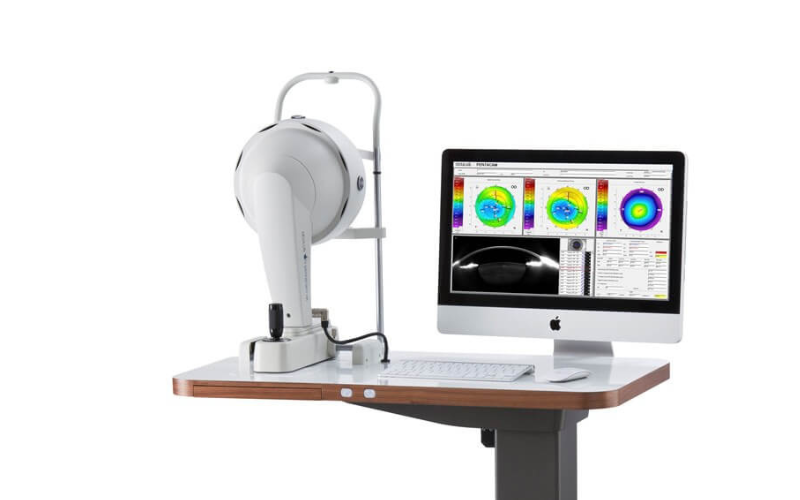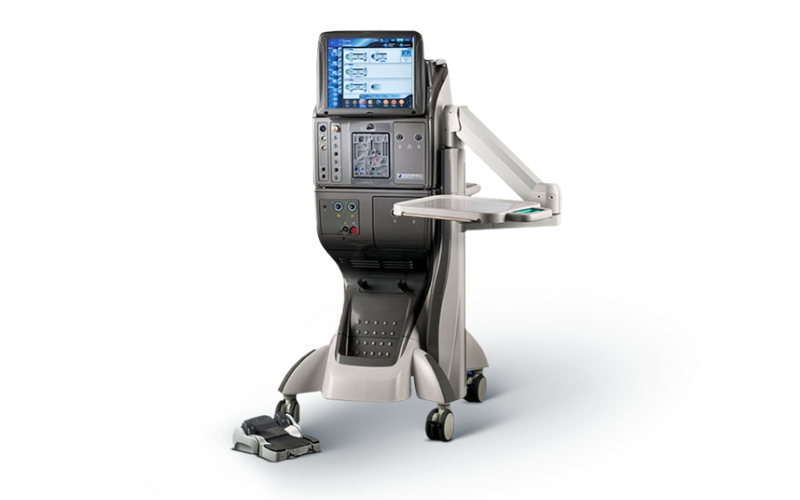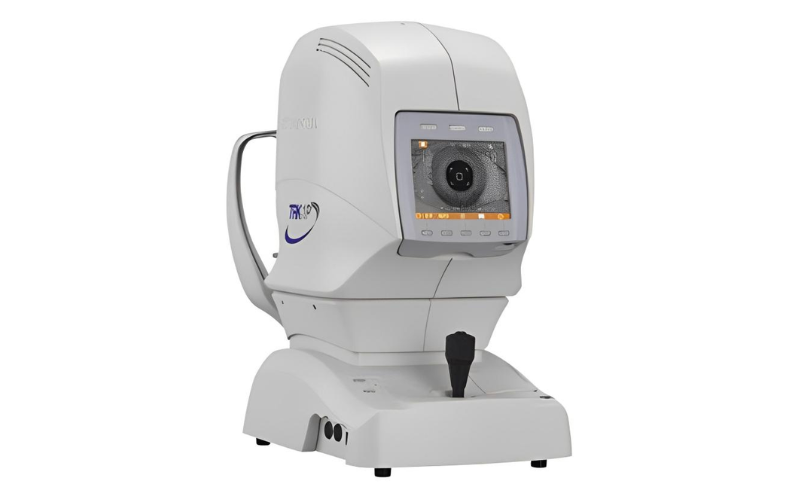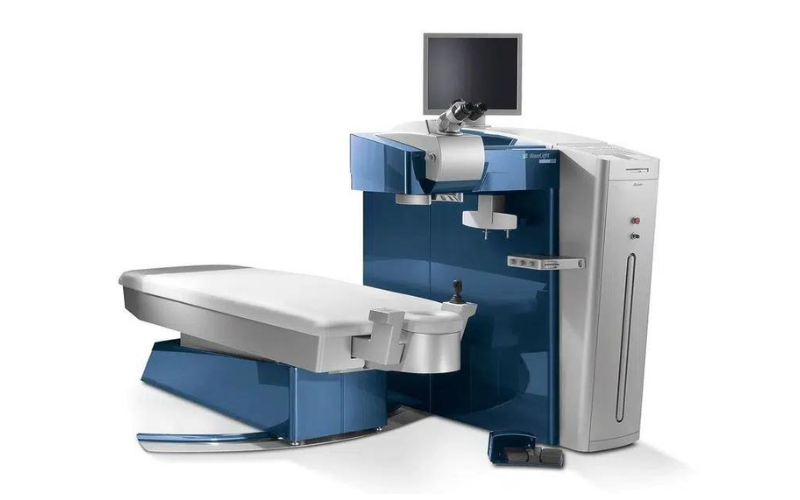
Ексимер-лазер
WaveLight EX500 Excimer Laser Alcon (США)


Thank you! Your message has been sent successfully.
Please wait for a reply.

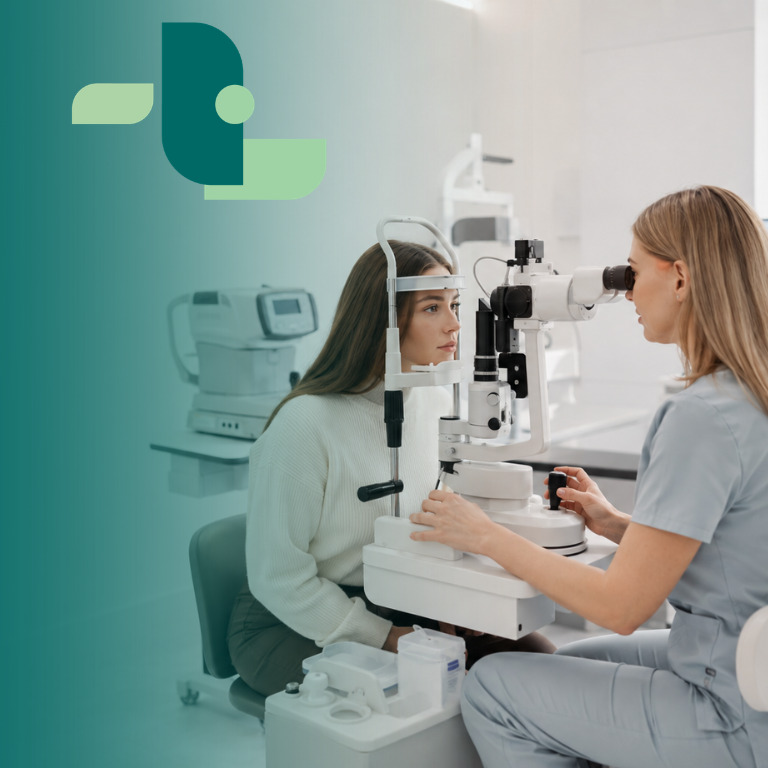
Consultation, diagnosis, and treatment.
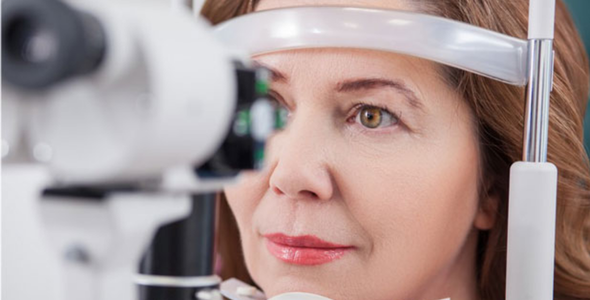
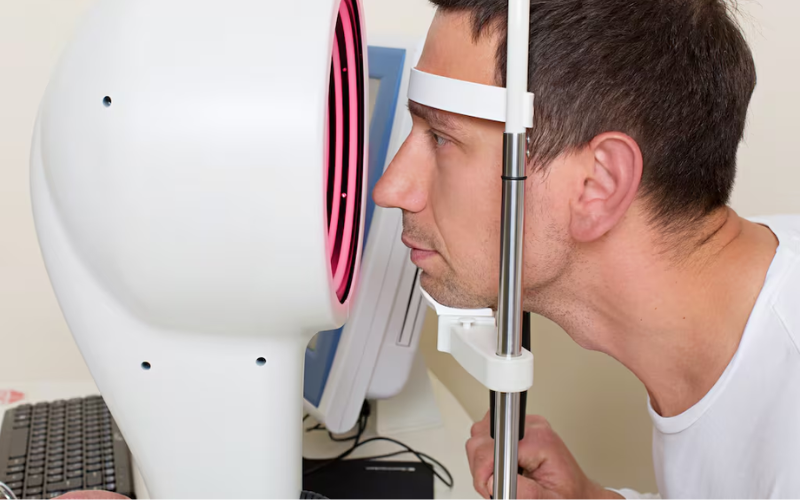
If your vision has become less clear, or if it is more difficult to read small print or distinguish objects at a distance, you should undergo an ophthalmological examination. These changes may be associated with myopia, hyperopia, astigmatism, or other vision disorders.
A sudden decrease in vision, the appearance of dark spots or flashes of light, or sudden loss of vision in one eye requires an urgent consultation with an ophthalmologist. These symptoms may indicate retinal damage, vascular disorders, or other acute conditions.
Pain, irritation, redness, swelling, or a foreign-body sensation may indicate inflammation, injury, or infection. An ophthalmologist will help identify the cause of the symptoms and select appropriate treatment.
Persistent eye dryness or, conversely, excessive tearing may be caused by dry eye syndrome, inflammatory conditions, or environmental factors. Diagnostic testing helps identify the cause and select the necessary treatment.
The appearance of floaters, dots, threads, or spots in the field of vision may be associated with changes in the vitreous body or retina. If these symptoms appear suddenly or worsen, an ophthalmological examination is recommended.
Persistent eye redness, inflammation, or swelling of the eyelids may accompany infectious, allergic, and other ophthalmic conditions. A timely examination helps identify the cause and prevent possible complications.
If eye fatigue, blurred vision, or discomfort occurs after reading or working at a computer for a prolonged period, this may be related to visual strain or an accommodation disorder. An ophthalmologist will help assess your vision and provide recommendations on managing visual workload.
Regular eye examinations are important even if you have no symptoms. Preventive examinations are especially recommended after the age of 40, when the risk of glaucoma, cataracts, and other age-related changes in the visual system increases.
Diabetes mellitus can cause changes in the retinal blood vessels and lead to diabetic retinopathy. Patients with diabetes and certain other chronic conditions should undergo regular fundus examinations and monitoring of their vision.
If close relatives have been diagnosed with glaucoma, cataracts, or other serious eye conditions, regular preventive eye examinations are recommended. A hereditary predisposition may increase the risk of developing certain ophthalmic conditions.
Elevated intraocular pressure is an important risk factor for developing glaucoma. Because the disease may not cause noticeable symptoms in its early stages, it is important to have your intraocular pressure and optic nerve condition monitored regularly.
An ophthalmologist should be consulted in the event of a blow, cut, burn, foreign body, or other eye injury. Timely diagnosis helps assess the damage and reduce the risk of complications that may affect vision.
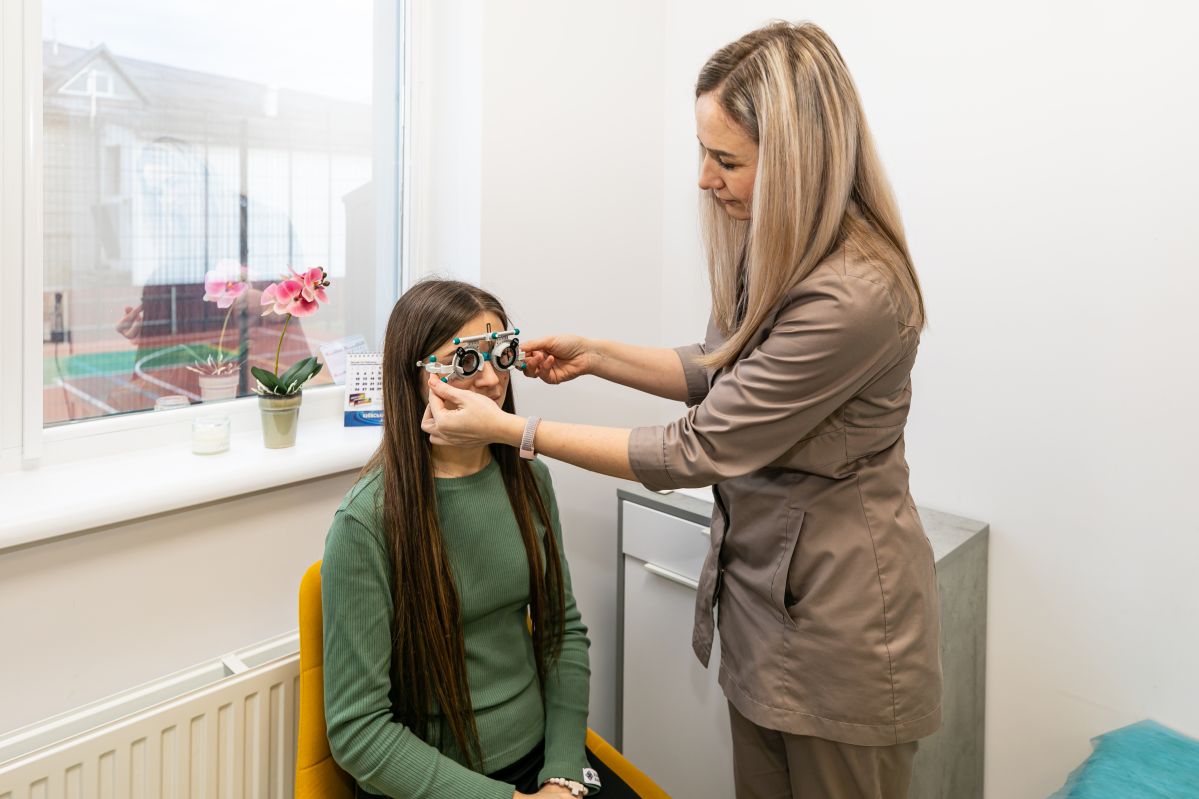
A vision assessment is an important step before selecting vision correction or beginning treatment. A comprehensive examination helps assess the condition of the eyes, detect potential problems at an early stage, and determine the next steps.
At Lviv Medical Center, vision assessments are performed using modern ophthalmic equipment and may include testing visual acuity and evaluating refraction, the cornea, the retina, and other structures of the eye.
Based on the examination findings, the ophthalmologist provides a clinical opinion and recommendations regarding further treatment, vision correction, or additional diagnostic testing.
Book an appointment with an ophthalmologist in Sambir
Do not put off caring for your vision — modern ophthalmology is now close at hand.
Nearsightedness, or myopia, is a refractive error in which a person sees well up close, but distant objects appear blurred. Eyeglasses, contact lenses, and, when clinically indicated, laser vision correction may be used to correct myopia.
Farsightedness, or hyperopia, may cause difficulty seeing clearly at close range, eye strain, and rapid visual fatigue. The ophthalmologist determines the degree of impairment and selects glasses, contact lenses, or another appropriate correction method.
Astigmatism is related to the shape of the cornea or lens, which causes light to focus unevenly. This may result in blurred or distorted vision at different distances. Special glasses, toric contact lenses, or laser vision correction may be used when indicated.
Presbyopia usually develops after the age of 40 due to a gradual decline in the eye’s ability to focus on nearby objects. It becomes more difficult to read small print or work at close range. Glasses, contact lenses, or other methods selected by an ophthalmologist may be used for correction.
The risk of developing cataracts, glaucoma, macular degeneration, and other conditions that may affect visual acuity and quality increases with age. Regular examinations by an ophthalmologist help detect changes promptly and begin the necessary treatment.
A cataract is characterized by clouding of the eye's natural lens, causing vision to become progressively less clear. An ophthalmologist diagnoses the cataract, determines its stage, and, when clinically indicated, recommends surgery to replace the clouded lens with an artificial intraocular lens.
Glaucoma involves progressive damage to the optic nerve and is often associated with elevated intraocular pressure. Glaucoma treatment aims to control pressure and preserve visual function and may include medication, laser procedures, or surgery.
Conjunctivitis is inflammation of the mucous membrane of the eye and may be bacterial, viral, allergic, or of another origin. The ophthalmologist determines the cause of the inflammation and prescribes treatment according to the type of conjunctivitis.
Dry eye syndrome occurs when insufficient tear fluid is produced or its quality is impaired. Symptoms may include dryness, burning, a gritty sensation in the eyes, and redness. Treatment is selected after diagnosing the causes and severity of the tear film disorder.
Keratoconus is a progressive disease in which the cornea becomes thinner and gradually takes on a cone-like shape. This leads to impaired and distorted vision. Depending on the stage, contact lenses, corneal cross-linking, and other treatment methods may be used.
Diabetic retinopathy is a complication of diabetes mellitus in which the blood vessels of the retina are damaged. The condition may gradually impair vision, so patients with diabetes should undergo regular examinations of the retina and receive appropriate treatment when needed.
Macular degeneration affects the central area of the retina, known as the macula, which is responsible for clear central vision. The condition may make it difficult to read, recognize faces, and perform tasks that require attention to detail. The treatment approach depends on the form and stage of the condition.
Retinal detachment is a serious condition in which the retina separates from the tissues that supply it with nutrients. It requires urgent diagnosis and treatment, as without timely care it may lead to significant visual impairment or loss of vision.
Uveitis is inflammation of the uvea that may be associated with infections, injuries, autoimmune conditions, or other systemic diseases. Treatment aims to reduce inflammation, control its underlying cause, and prevent complications.
An ophthalmologist provides care for various eye injuries, including corneal injuries, contusions, burns, and foreign bodies in the eye. Treatment is determined according to the nature and severity of the injury and may be medical or surgical.
Strabismus is characterized by a misalignment of the eyes and may affect the development of binocular vision. Treatment is selected individually and may include correction with glasses, vision therapy using specialized devices, specific exercises, or surgery.
An ophthalmologist diagnoses and treats diseases and disorders of the eyelids, including blepharitis, chalazion, entropion, ectropion, and other conditions. The approach depends on the cause and may include conservative or surgical treatment.
Blepharoplasty is used to correct functional and aesthetic changes to the eyelids, including excess skin, bags under the eyes, or abnormal eyelid positioning. The procedure can correct the shape of the eyelids and, when functionally indicated, eliminate factors that may interfere with normal vision.

Liudmyla Volodymyrivna Kundys
Ophthalmologist
Practicing Since 1976
Ophthalmology

Amanda Boimistruk
Ophthalmologist
Practicing since 2023
Pediatric Ophthalmology, Ophthalmology

Markiian Novytskyi
Ophthalmologist. PhD in Medicine, specializing in ophthalmology
Practicing since 2009
Cataract, Ophthalmology

Iryna Yuriivna Hordova (Kirdei)
Ophthalmologist and ophthalmic surgeon (oculoplastic and refractive surgery)
Practicing since 2016
Laser vision correction, Ophthalmology, Eyelid surgery
About ophthalmology
Ophthalmology – is a medical specialty that encompasses the diagnosis, prevention, and treatment of eye diseases and disorders of the visual system. Ophthalmologists perform eye examinations and diagnose myopia, hyperopia, astigmatism, cataracts, glaucoma, retinal disorders, and other ophthalmic conditions.
This field also includes the treatment of inflammatory and infectious eye diseases, laser vision correction, cataract surgery, and other types of surgical treatment. Modern ophthalmology enables the timely diagnosis of changes, selection of effective treatment, and preservation of good-quality vision.