Stress urinary incontinence

Middle-aged and older women quite often experience a condition that does not affect life expectancy or cause severe pain but significantly reduces quality of life and causes considerable discomfort. This condition is – “stress urinary incontinence”, also known as “urinary incontinence during physical exertion”.
The causes of this problem may vary, but the most common include:
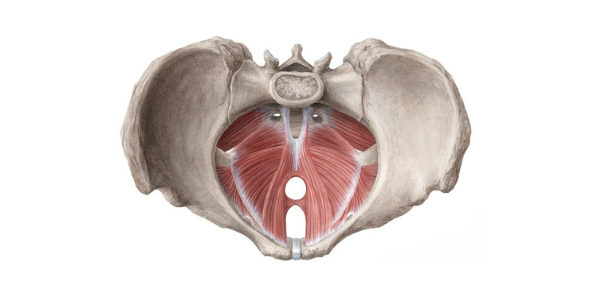
- weakening of the pelvic floor muscles
- prolapse of the anterior vaginal wall and uterus
- previous gynecological surgery
- difficult childbirth
- prolonged heavy physical labor
- hormonal changes.
Due to a lack of awareness among women, primary care physicians, and family physicians, many patients live with this problem, believing that no effective treatment is available.
In fact, this condition can be treated quite effectively. The treatment process begins with further evaluation and accurate identification of the cause of the incontinence. The evaluation includes an ultrasound examination, laboratory tests, and a “cough stress test”.
Treatment begins with medication (anti-inflammatory and antibacterial medications when required, as well as drugs that reduce bladder muscle tone) and physical exercises aimed at strengthening the pelvic floor muscles (Kegel exercises).
If the measures listed above are effective, patients can return to their usual daily routine. If treatment does not produce a sufficient effect, minimally invasive surgical procedures are performed that virtually guarantee resolution of the problem.
The type of surgical procedure is selected individually, depending on the severity of symptoms, the patient’s general health, the presence of comorbidities, and other factors.
For moderately severe symptoms, paraurethral injections are performed to create additional external compression around the urethra. The procedure is relatively safe, takes approximately 20 minutes, and requires a hospital stay of up to one day.
For more severe symptoms or when medication and physiotherapy are ineffective, so-called sling procedures (TVT) are used. These are also minimally invasive surgical procedures in which a special mesh is used to provide additional support beneath the urethra. This type of procedure is considered the “gold standard” of surgical treatment for stress urinary incontinence.
…You should not have to live with this problem. With sufficient information about the options offered by modern medicine, appropriate treatment can be provided and quality of life can be significantly improved. LMC has all the necessary equipment for diagnosing and successfully treating urinary incontinence in women.
Stay healthy, cheerful, and “dry”!)