


Surgeon in Lviv — surgical consultation and the modern surgical center at Lviv Medical Center
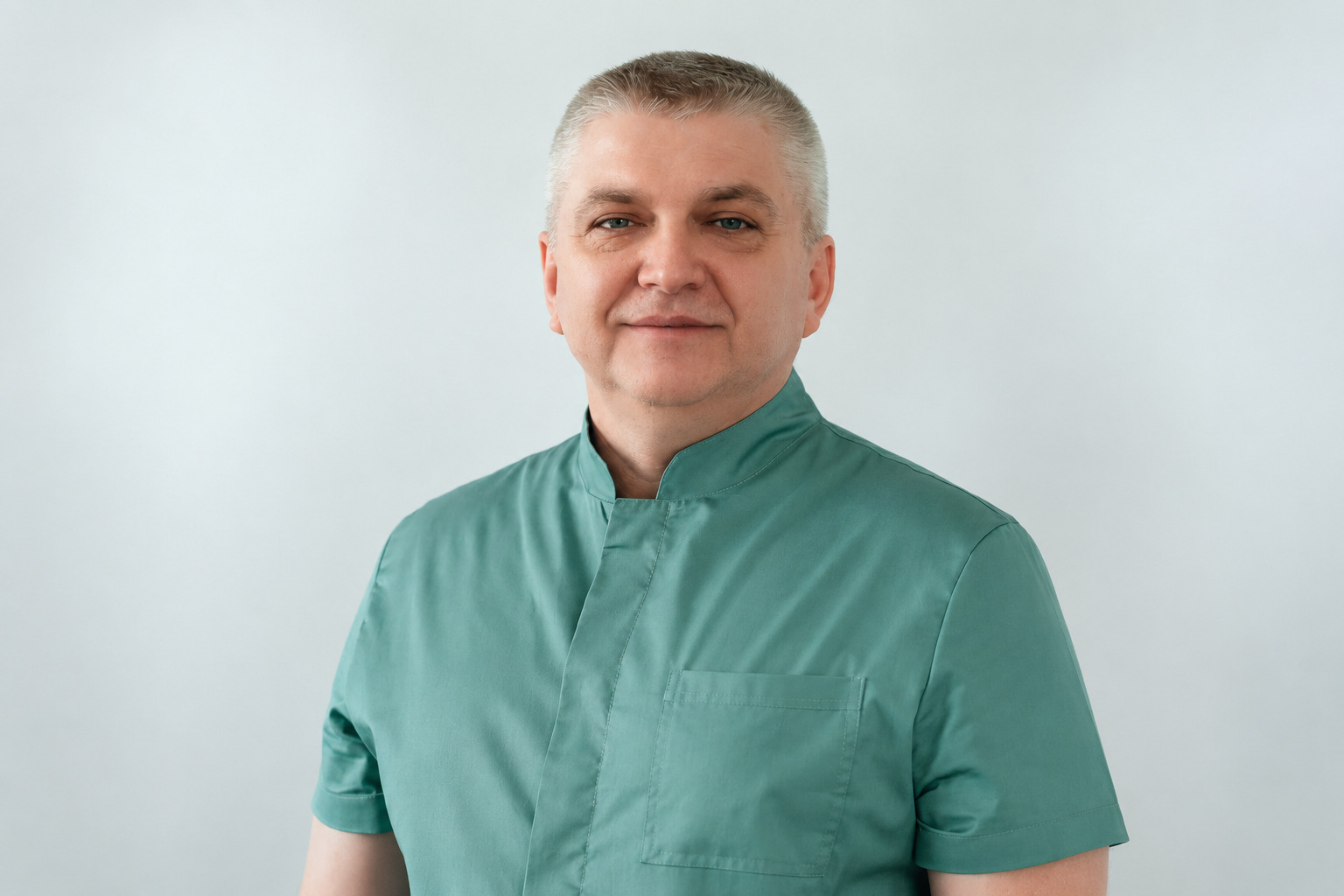
The Surgical Center at Lviv Medical Center combines a team of experienced doctors, advanced equipment, and a comprehensive approach to diagnosis and treatment. Our surgeons perform a wide range of surgical procedures. These include both minimally invasive procedures performed with specialized instruments through small incisions and traditional open surgery requiring more complex surgical intervention.
A consultation with a surgeon is an important step in establishing an accurate diagnosis and selecting the optimal treatment strategy. At Lviv Medical Center, patients receive comprehensive support, from the initial examination to postoperative follow-up and assessment of outcomes.
The Surgical Center operates in accordance with current medical standards, helping minimize surgical trauma and shorten the recovery period.
When is a surgical consultation needed?
Acute abdominal pain
Sudden, severe abdominal pain may indicate an acute condition, such as appendicitis, pancreatitis, or cholecystitis, and often requires immediate surgical intervention.
Purulent infections (abscesses, boils, carbuncles)
An abscess that requires surgical incision and drainage to prevent the spread of infection and complications.
Hernias
Inguinal, femoral, or umbilical hernias require surgical treatment, which is professionally performed by a surgeon at our center in Lviv to prevent complications.
Gastrointestinal problems
Surgery may be necessary for chronic gastrointestinal conditions such as peptic ulcer disease, gastroesophageal reflux disease, diverticulitis, or Crohn's disease that do not respond to conservative treatment.
Gallstone disease and bile duct disorders
Gallstones or bile duct stones (choledocholithiasis) can cause pain, inflammation, and digestive problems. In such cases, surgery is often required to remove the gallbladder or clear the bile ducts.
Thyroid disorders
Tumors, nodules, and other thyroid abnormalities that may affect thyroid function or are suspected of being malignant often require surgery.
Urological problems
Conditions such as urolithiasis, benign prostatic hyperplasia, or kidney disorders may require surgery to restore normal urinary system function and relieve symptoms.
Excess weight correction (bariatric surgery)
If diet, exercise, and other methods do not produce results, surgery such as gastric bypass or sleeve gastrectomy may be an effective way to achieve sustained weight loss and improve health.
Proctological conditions
Hemorrhoids, anal fissures, and paraproctitis may require surgery to relieve symptoms and prevent complications.
Injuries and fractures
Surgery is required for complex fractures, ligament tears, and joint injuries that need surgical correction to restore function.
Presence of tumors or neoplasms
Removal of benign or malignant growths is necessary to prevent their further growth and the development of complications.
Varicose veins
Varicose veins can cause pain, swelling, thrombosis, and chronic ulcers, so surgery is often required to address the problem. A qualified surgeon in Lviv will select the most appropriate sclerotherapy or laser treatment method individually.
Diseases of the skin and subcutaneous tissue
Benign skin growths (lipomas, atheromas, papillomas) are often surgically removed due to growth or discomfort.
Aesthetic concerns
Physiological changes, dissatisfaction with appearance, or the consequences of previous illnesses or procedures — there are many concerns that a plastic surgeon can address.
Modern surgery in Lviv — from consultation to full recovery
Types of surgical procedures
Diagnostic Procedures
Laparoscopic surgery
Endoscopic procedures
Abdominal surgery
Transvaginal surgery
Arthroscopic procedures
Diagnostic methods before surgical treatment
Clinical Examination
Laboratory tests
Instrumental Diagnostic Tests
Endoscopic examinations
Biopsy
Receive recommendations from a private surgeon on the optimal treatment method.
Surgical specialties at Lviv Medical Center
Surgery of the liver, gallbladder, and bile ducts
This field of surgery covers the surgical treatment of conditions affecting the liver, gallbladder, and bile ducts. The most common procedures include cholecystectomy (removal of the gallbladder) and bile duct surgery to remove stones or restore duct patency.
Gastrointestinal Surgery
Surgical procedures involving the digestive system, including the stomach and the small and large intestines. Gastrointestinal surgery includes the treatment of peptic ulcers, polyps, and intestinal obstruction, as well as resections for tumors and inflammatory diseases.
Pancreatic Surgery
This field specializes in treating pancreatic diseases such as pancreatitis, cysts, or tumors. Pancreatic surgery often involves partial or complete removal of the organ (pancreatectomy).
Soft-Tissue Surgery
Surgical procedures involving the skin, subcutaneous tissue, and muscles, including the removal of benign growths (lipomas and atheromas) or the surgical treatment of purulent conditions (abscesses and boils).
Hernia Surgery
Surgical treatment of inguinal, umbilical, and femoral hernias. Surgery may be performed using either a traditional open approach or laparoscopically, helping minimize risks and shorten recovery time.
Bariatric Surgery
This field focuses on treating obesity by reducing the volume of the stomach or altering the anatomy of the digestive system to promote weight loss. The most common procedures include sleeve gastrectomy and gastric bypass.
Endocrine surgery
Surgery on endocrine glands such as the thyroid, parathyroid, and adrenal glands. Treatment includes removing nodules, tumors, or glands to normalize the body’s hormonal balance.
Gynecological surgery
This specialty covers the surgical treatment of conditions affecting the female reproductive system, including the removal of fibroids and ovarian cysts, treatment of endometriosis, and laparoscopic gynecological surgery.
Plastic Surgery
Plastic surgery focuses on the aesthetic correction of appearance and tissue reconstruction after injuries or operations. Plastic surgery includes rhinoplasty, mammoplasty, scar correction, and reconstructive procedures. During the surgical consultation, you will be able to see the expected result and discuss all details of the correction.
Endoscopic surgery
Minimally invasive procedures performed through small incisions using an endoscope. Endoscopic surgery is used to remove polyps and treat conditions affecting the gastrointestinal tract, bile ducts, and other internal organs.
Orthopedics and Traumatology
Surgical treatment of musculoskeletal conditions, including injuries to bones, joints, and ligaments. This field includes joint replacement, osteosynthesis for fractures, and correction of congenital defects.
ENT surgery
This field covers the surgical treatment of diseases of the ear, throat, nose, and paranasal sinuses. It includes adenoid removal, tonsillectomy, correction of the nasal septum, and reconstructive surgery of the ear structures.
Proctologic Surgery
Surgical treatment of conditions affecting the rectum and anal canal. This includes surgery for hemorrhoids, anal fissures, paraproctitis, and other proctological conditions.
Vascular surgery
Surgical treatment of vascular conditions such as varicose veins, thrombosis, and aneurysms. Vascular surgeons restore blood vessel patency and correct pathological changes in veins and arteries.
Each specialty is staffed by experienced surgeons with practical expertise in treating a variety of clinical cases.
Benefits of consulting surgeons at Lviv Medical Center in Lviv
Choosing the surgeons at Lviv Medical Center means benefiting from experience, modern technology, and a comprehensive approach to treatment. Our surgical center in Lviv is staffed by surgeons with practical experience in various surgical specialties, allowing us to select the optimal treatment strategy for each patient. A surgical consultation is only the first step—we provide a complete cycle of care, from testing to rehabilitation.

Experienced surgeons
A surgical consultation helps establish an accurate diagnosis and select the most effective treatment method based on the patient’s individual needs.

Modern surgical techniques
The center performs minimally invasive and conventional surgical procedures using modern equipment, which helps reduce tissue trauma and shorten the recovery period.

Comprehensive Approach
Patients receive comprehensive support—from diagnosis and preparation for surgery to follow-up monitoring after treatment.

Comfortable facilities and postoperative support
We provide appropriate medical supervision, rehabilitation recommendations, and monitoring of treatment outcomes.
Our surgeons in Lviv
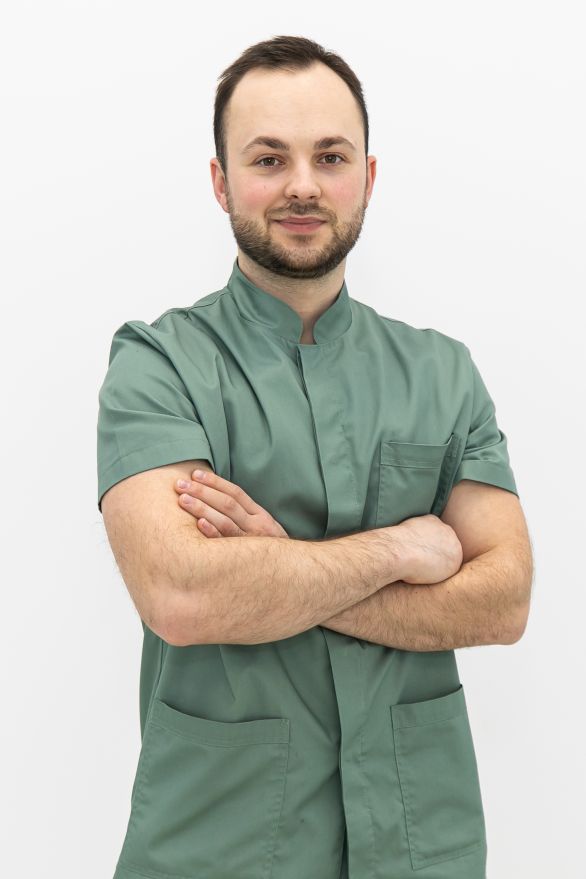
Kril Orest Romanovych
Surgeon, Plastic Surgeon
Practicing since 2020
Eyelid surgery, Surgery, Hernia Surgery, Soft-Tissue Surgery, Gastrointestinal Surgery, Checkup
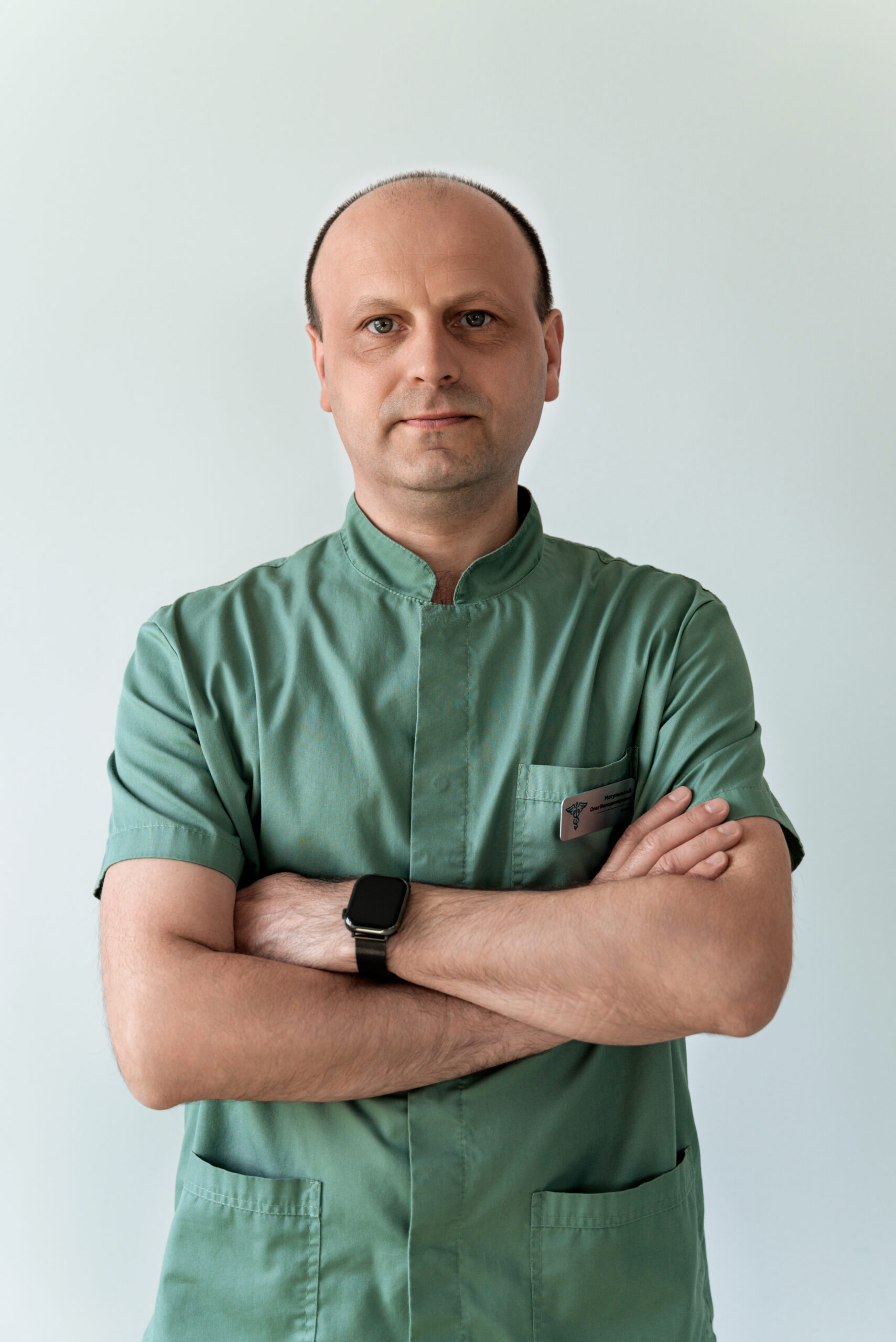
Oleh Volodymyrovych Motulskyi
Surgeon
Practicing since 2006
Ultrasound, Surgery, Hernia Surgery, Soft-Tissue Surgery, Gastrointestinal Surgery

Andrii Chykailo
Surgeon with the highest qualification category
Practicing Since 1986
Surgery, Hernia Surgery, Soft-Tissue Surgery, Gastrointestinal Surgery

Volodymyr Khomiak
Surgeon
Practicing since 2001
Endocrine surgery, Surgery, Hernia Surgery, Soft-Tissue Surgery, Gastrointestinal Surgery

Danylo Tarasovych Ivankiv
Surgeon
Practicing since 2017
Interventional Ultrasound, Ultrasound, Ultrasound Diagnostics, Surgery, Hernia Surgery, Soft-Tissue Surgery, Gastrointestinal Surgery

Ivankiv Taras Myronovych
Surgeon of the highest qualification category, surgical oncologist, Candidate of Medical Sciences, Associate Professor at the Department of Surgery, Plastic Surgery and Endoscopy, Faculty of Postgraduate Education, Danylo Halytsky Lviv National Medical University,
Practicing since 1992
Bariatric Surgery, Surgery, Hernia Surgery, Soft-Tissue Surgery, Gastrointestinal Surgery
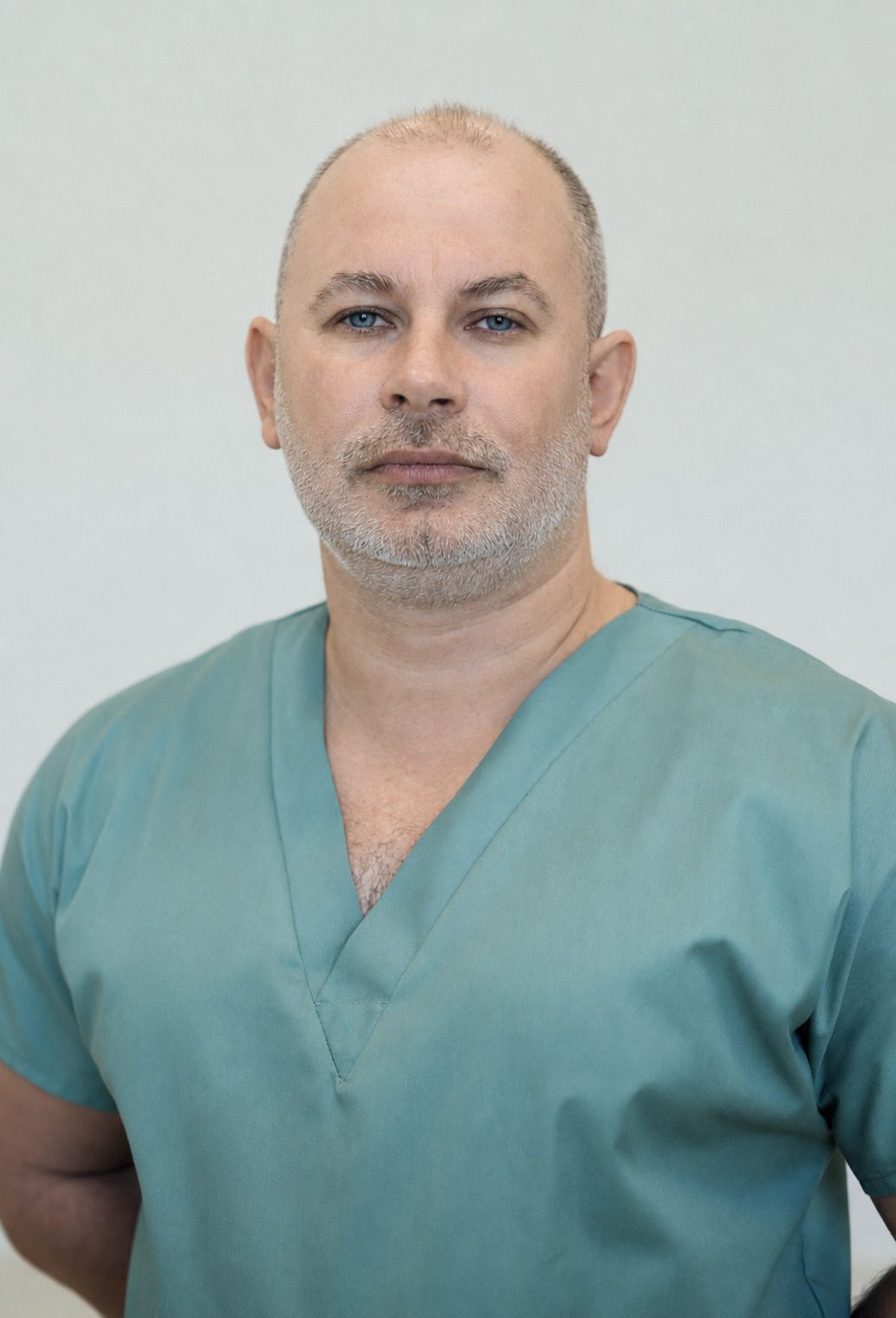
Bakum Bohdan Ihorovych
Surgeon, Ultrasound Specialist
Practicing since 2007
Interventional Ultrasound, Ultrasound, Ultrasound Diagnostics, Surgery, Hernia Surgery, Soft-Tissue Surgery, Gastrointestinal Surgery, Checkup

Vasyl Kolomiitsev
Surgeon, Doctor of Medical Sciences, Professor
Practicing Since 1985
Endocrine surgery, Endoscopy, Surgery, Hernia Surgery, Soft-Tissue Surgery, Gastrointestinal Surgery

Taras Andriiovych Chykailo
Endoscopist, Surgeon
Practicing since 2008
Endoscopic surgery, Endoscopy, Surgery, Hernia Surgery, Soft-Tissue Surgery, Gastrointestinal Surgery
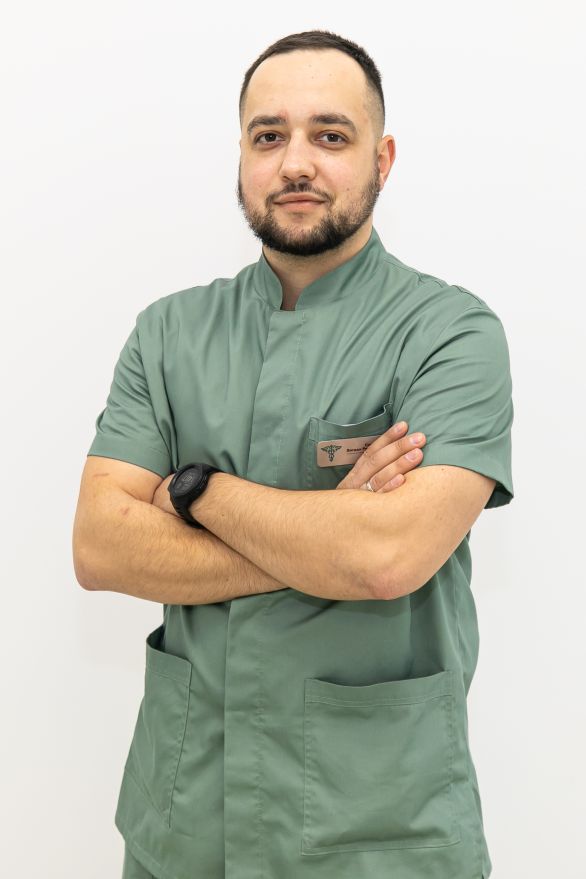
Bohdan Stasyshyn
Surgeon-proctologist, endoscopist, senior combat medic (paramedic)
Proctology, Surgery, Hernia Surgery, Soft-Tissue Surgery, Gastrointestinal Surgery
Cost of a surgical consultation
The cost of a surgical consultation in Lviv depends on the scope of the examination and the need for additional tests. During the appointment, the surgeon assesses the patient’s condition, reviews test results, and determines the next steps in treatment.
Frequently asked questions
How Much Does a Surgical Consultation Cost in Lviv?
The cost of a consultation depends on the doctor’s specialty and the scope of the examination. The following consultation options are available at Lviv Medical Center: surgeon consultation — 1 050 UAH consultation with a leading surgeon — 1 380 UAH plastic surgeon consultation — 900 UAH vascular surgeon consultation — 1 050 UAH orthopedic trauma surgeon consultation — 1 050 UAH proctologist consultation — 1 080 UAH proctologist consultation with rectoscopy or anoscopy — 1 380 UAH During the appointment, the surgeon performs an examination, reviews the test results, and provides recommendations regarding further diagnosis or treatment. If necessary, additional examinations may be recommended to clarify the diagnosis. Current price list for all services
What procedures does a surgeon perform at Lviv Medical Center in Lviv?
The surgical center performs a wide range of procedures, from minimally invasive interventions to more complex operations. Laparoscopic, endoscopic, and open surgical techniques are used depending on the clinical situation and indications. The doctor selects the optimal treatment option individually for each patient.
Do I need a referral to see a surgeon?
You can consult a surgeon without a referral. If you already have examination results or recommendations from other doctors, it is advisable to bring them to your appointment.
How should you prepare for surgery?
Preparation depends on the type of surgery. After the consultation, the surgeon provides individualized recommendations, which may include examinations, laboratory tests, or temporary restrictions on food or medication intake. Strict adherence to the recommendations helps reduce the risk of complications.
How long does recovery after surgery take?
Recovery time depends on the type of surgery, individual characteristics, and overall health. The recovery period is usually shorter after minimally invasive procedures. The surgeon provides recommendations regarding daily activities, physical activity, and care to support faster recovery.
Are Laparoscopic Procedures Performed at LMC?
Yes, minimally invasive techniques, including laparoscopic surgery, are widely used at Lviv Medical Center. These procedures are performed through small incisions using specialized instruments, helping to reduce postoperative pain and shorten the rehabilitation period.
Is inpatient care available after surgery?
If necessary, the patient may remain under medical supervision after surgery. The length of the hospital stay depends on the type of surgery and the doctor’s recommendations. The medical staff in Lviv monitor the patient’s condition and provide appropriate care.
How can I book an appointment with a surgeon at Lviv Medical Center?
You can schedule a consultation with a surgeon using the form on the website. An administrator will help you choose a convenient appointment time and, if necessary, advise you which documents or test results to bring.
If you need an experienced surgeon in Lviv, contact our clinic for European-standard medical care.
- Surgical Proctology
- Bariatric Surgery
- Laparoscopic surgery
- Hernia Surgery
- Gynecological surgery
- Surgical treatment of digestive system disorders
- Endoscopic surgery
- Hand and foot surgery
- Vascular surgery
- ENT Surgery
- Endocrine surgery
- Vitreoretinal surgery
- Plastic Surgery
- Oral surgery
- Removal of Lipomas (Fatty Lumps) and Atheromas
- Surgical Oncology
- Removal of a Subluxated Crystalline Lens
- Closed vitrectomy
